


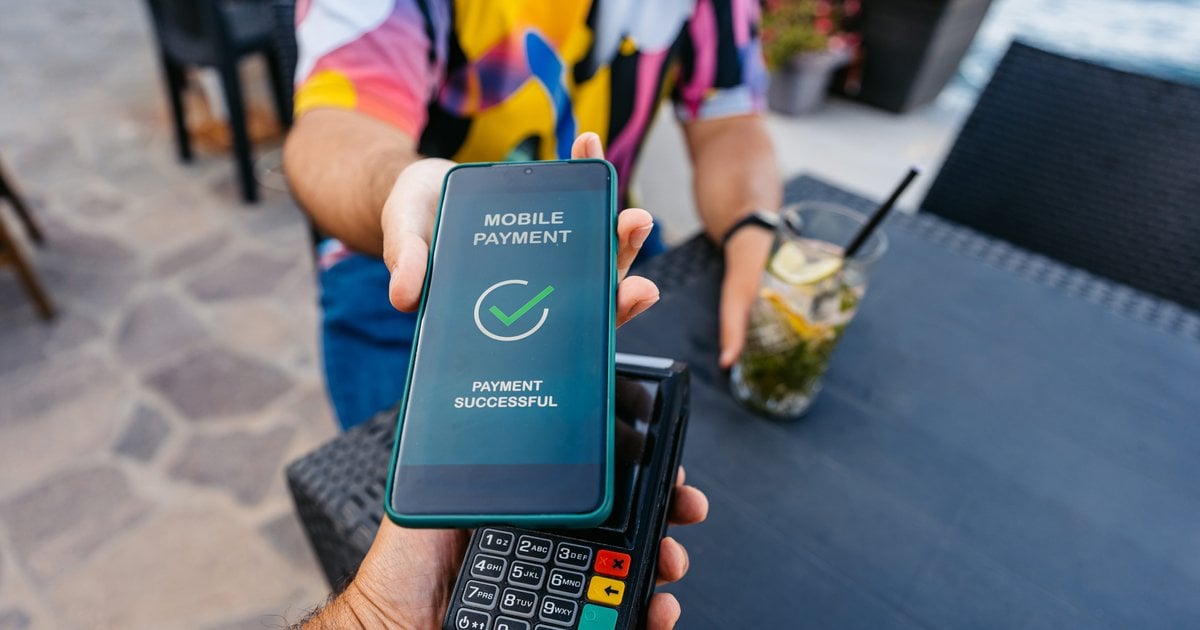
How Mobile Payments Are Changing Our Spending Habits
Digital payments are changing the way customers spend, allowing for more smooth online purchases. This eliminates the need for actual currency and in-person transactions.
It takes less than a minute for people to send money across continents, buy groceries, or pay bills using a phone. With innovations like M-Pesa, PayPal, and Apple Pay, spending has never been faster and easier.
The Impact Of Covid19 Pandemic on Mobile Payments
The COVID-19 epidemic encouraged the global shift to mobile payments, as customers sought contactless and secure ways to make payments. Lockdowns, quarantines, and travel restrictions caused both companies and customers to reduce physical interaction, making digital and mobile payment methods the most secure choice.
What began as a health precaution swiftly turned into a long-term behavioural shift as people found how simple, fast, and dependable mobile payments could be. Even when restrictions were lifted, many users continued to prioritise digital transactions over cash, solidifying mobile payments as a necessary component of modern business.
The Rise of Mobile Money Platforms
M-PESA
Safaricom launched M-Pesa in 2007 as a pioneer of mobile money in Kenya, allowing users to pay, receive, and keep money using their phones without the need for a bank account.
It changed how people handled money, particularly in rural places where banks were relatively few. M-Pesa became a financial lifeline for millions of people, allowing them to pay bills, transfer payments, and even get loans right from their phones.
PayPal
PayPal, founded in 1998, revolutionised worldwide online payments by allowing anybody with an email address to safely send and receive money.
In Kenya, PayPal first became available in Kenya in 2013 as part of a cooperation between Equity Bank and PayPal, allowing Kenyans to receive payments from abroad and withdraw money to their Equity Bank accounts.
Apple Pay
Apple Pay, which was introduced in 2014, made contactless payments widespread. Users may pay by just tapping their smartphones or smartwatches – no cash, cards, or touch required. Its biometric security features, such as fingerprint and face recognition, ensured both safety and convenience.
Mobile money transfers have transformed how individuals make financial transactions, particularly in developing countries. This technology has altered both personal financial and company operations by enabling users to transfer, receive, and keep money using mobile phones.
Here are some of the positive impacts of mobile money
Convenience and Accessibility: Users may use their phones to send, receive, and keep money at any time and from anywhere. Reduces the need to travel to banks or ATMs, saving both time and money on transportation.
Enhanced Security: Mobile money reduces the dangers of carrying or keeping currency, minimising the possibility of theft or loss. PINs and encryption secure transactions, which increases trust in digital payments.
Boost to Small Businesses: Small businesses and informal business entities may readily take payments, resulting in increased sales and cash flow. Allows for better record-keeping and easier access to financing from lenders who analyse transactions.
Encouragement of Cashless Economy: Reduces dependency on physical cash, resulting in more openness, cheaper transaction costs, and easier monitoring of economic activity.
Mobile payments have transformed the way we spend, save, and interact with money. What began as a convenience has evolved into a lifestyle, promoting financial inclusion, increasing digital trade, and making transactions faster and safer. As technology advances, our wallets become lighter, but our digital spending habits grow stronger.