

The Kenya Editors Guild has stepped up its call for better collaboration with the Ethics and Anti-Corruption Commission (EACC), citing increased risks while reporting on corruption.
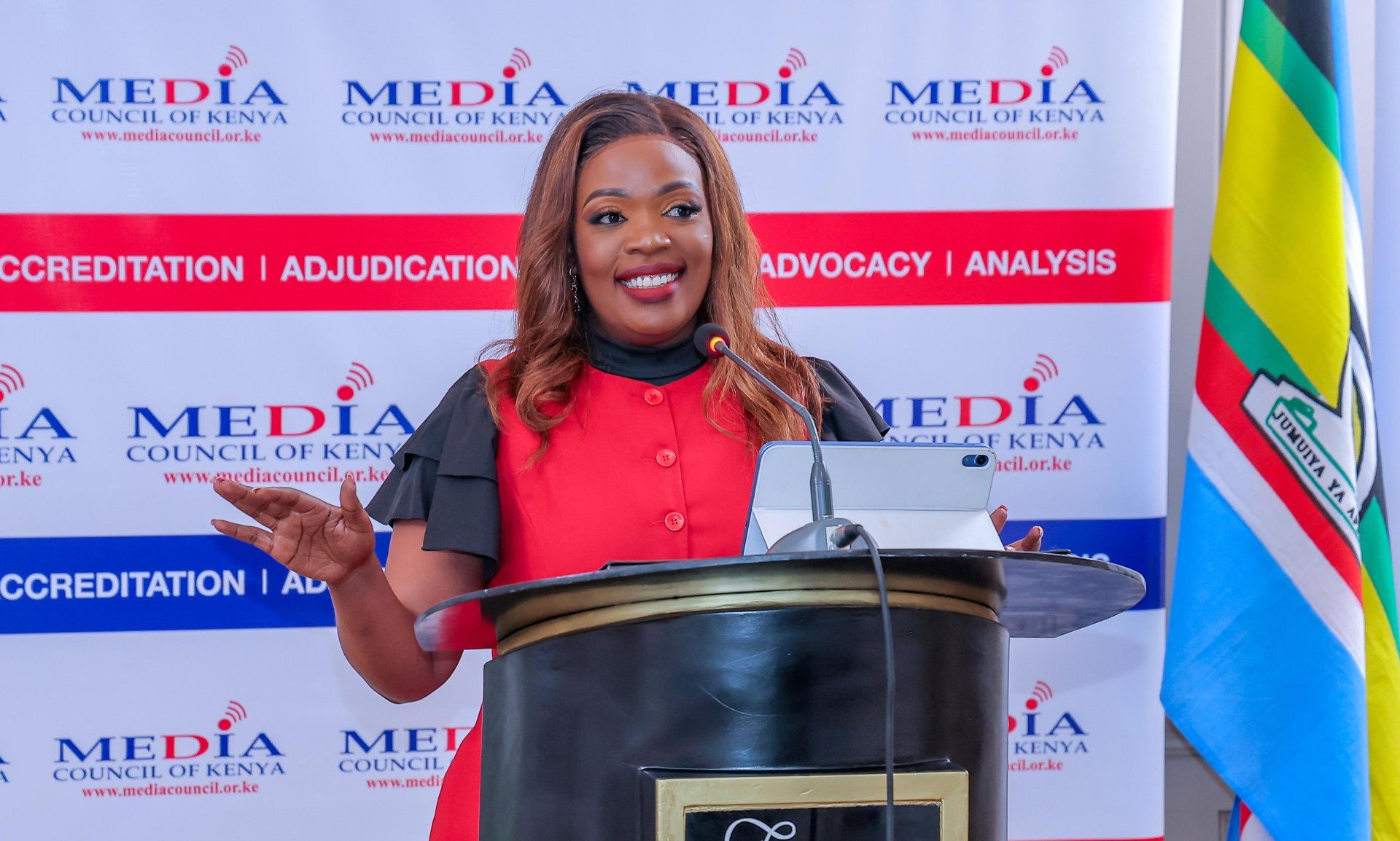
Speaking during an anti-corruption workshop for media practitioners, KEG President Zubeidah Kananu described the collaboration as a vital follow-up to the two organizations’ recently signed Memorandum of Understanding.
“This workshop is not just another calendar event, it is a critical check-in on a partnership we formalized only a few months ago through our Memorandum of Understanding,” she said.
“When KEG and EACC signed that MoU, we did not just sign a piece of paper we signed a pact to protect the soul of this nation from the cancer of corruption.”
Partnership Shift Amid Rising Risks
Kananu stated that the ever-evolving nature of corruption caused a transformation in the interaction between the media and investigative agencies from a transactional model to a more collaborative approach centered on accountability.
“For a long time, the relationship between the media and investigative agencies was seen as purely transactional, you investigate, we report,” she said. “But the complexity of modern corruption requires us to move from being mere ‘watchdogs’ to becoming ‘architects of accountability.’”
However, she warned that reporting on corruption in 2026 has become increasingly dangerous, with journalists facing not only physical and digital threats but also legal intimidation.
Growing Threat of Legal and Digital Attacks
A key concern raised was the rise of Strategic Lawsuits Against Public Participation (SLAPPs), where powerful individuals use prolonged legal battles to silence investigative reporting.
“We are witnessing a rise in SLAPPS… where wealthy individuals and entities use the courts to tie up newsrooms in endless, expensive litigation effectively gagging us before the first sentence of an investigation is even published,” she said.
Kananu called on the EACC to help advocate for stronger legal protections for journalists and whistleblowers, emphasizing the need for security agencies to safeguard reporters working in the public interest.

“When a journalist is threatened over a story in the public interest, the EACC and security agencies must provide a ‘safety perimeter.’ No journalist should ever have to choose between their life and the truth,” she added.
She also advocated improved media-EACC collaboration, including the use of confirmed investigative findings to help journalists reporting in good faith, as well as the investigation of ways to channel seized corruption revenues into the strengthening of investigative journalism.
At the same time, she underlined the increasing use of artificial intelligence in misinformation efforts.
“In 2026, the corrupt have a new ally: Artificial Intelligence,” she said. “We are seeing coordinated campaigns using deepfakes and bot networks to discredit investigative journalists designed to erode public trust even before the truth is published.”
Integrity Concerns in Electoral Processes
Kananu also expressed worry about integrity gaps in the electoral process, citing recent elections in which persons designated by the EACC for integrity issues were nonetheless allowed to run for office.
“The EACC flagged over a hundred candidates as unfit to hold office, yet many still made it onto the ballot,” she said. “This undermines Chapter Six of our Constitution.”
She argued that this undermines Chapter Six of the Constitution, which sets standards for leadership and integrity, and called for clearer legal frameworks to ensure that candidates flagged with credible evidence of corruption are vetted more effectively.
Commitment to Ethical Reporting and Reform
The KEG reaffirmed its commitment to improving ethical journalism through training and capacity building, while also calling for greater openness from investigative agencies.
“We want our journalists not only to report the who and the what of corruption, but to deeply interrogate the how the systemic loopholes that allow it to persist,” Kananu said.
The workshop, she concluded, should mark a turning point from identifying challenges to implementing joint solutions between the media and anti-corruption bodies.