


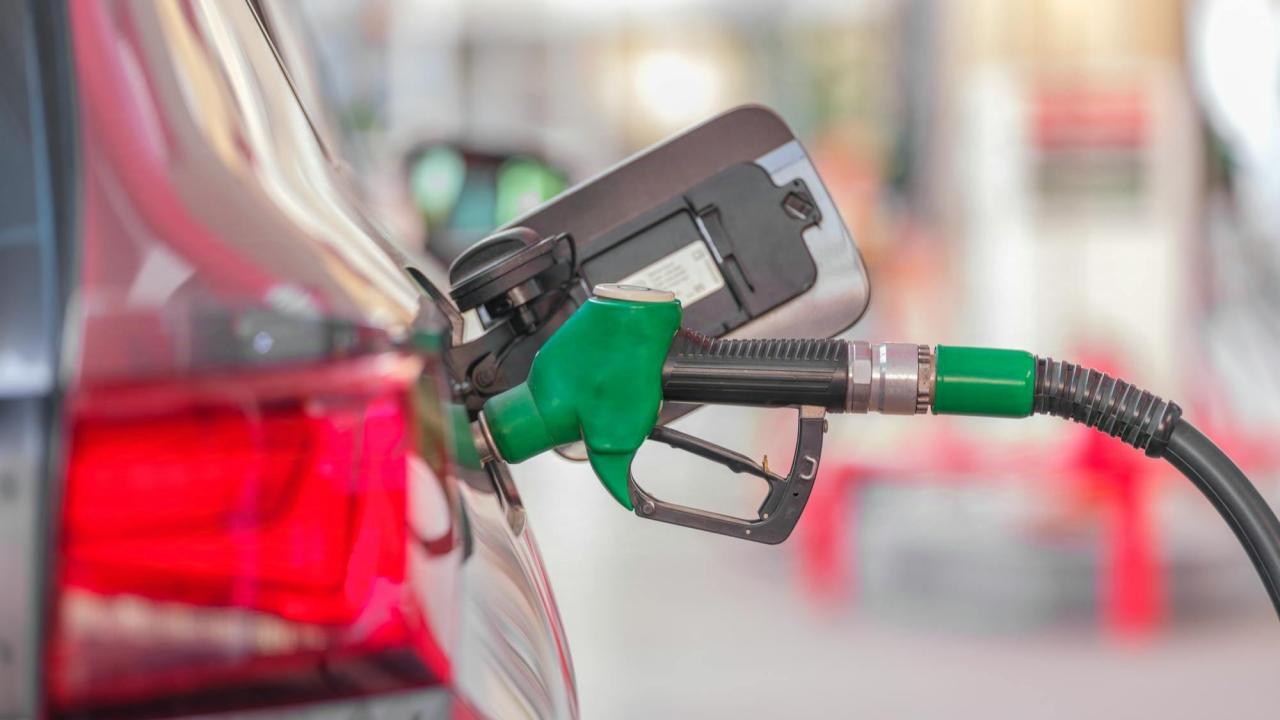
Kenyan motorists will benefit from reduced fuel costs following a new adjustment to petroleum prices driven by a tax changes. Following the government’s reduction in the Value Added Tax (VAT) on petroleum products, the Energy and Petroleum Regulatory Authority (EPRA) revised pump pricing.
EPRA announced in an addition to the maximum retail petroleum prices issued on April 14, 2026, that the new rates will be effective from April 16 to May 14, 2026. The change followed Legal Notice No. 70, dated April 15, 2026, in which the Cabinet Secretary for the National Treasury decreased VAT from 13% to 8%.
Price Cuts Offer Relief to Consumers
The tax reduction has translated into a noticeable drop in fuel prices, particularly for Super Petrol and Diesel.
In Nairobi, the price of Super Petrol has decreased by Ksh 9.37 per litre, while Diesel has dropped by Ksh 10.21 per litre. However, the price of Kerosene remains unchanged despite the tax adjustment.
With the new pricing structure, motorists in Nairobi will now pay Ksh 197.60 per litre for Super Petrol and Ksh 196.63 for Diesel. Kerosene will retail at Ksh 152.78 per litre.
The reduction is expected to ease the financial burden on households and businesses that rely heavily on fuel, especially amid broader concerns over the cost of living and economic pressures.
Kerosene Subsidy Adjusted
While kerosene prices remain stable at the pump, the government has reduced the subsidy on the product. The subsidy has dropped from Ksh 108.10 per litre to Ksh 96.56 per litre.
This adjustment reflects the impact of the reduced VAT rate, which decreases the total cost structure and, as a result, the amount of subsidies necessary to keep consumer prices flat. Many low-income households continue to rely on kerosene for cooking and lighting.
Regional Price Variations Across Major Towns
Fuel prices continue to vary slightly across different regions due to transport and distribution costs.
In Mombasa, Super Petrol will retail at Ksh 194.32 per litre, Diesel at Ksh 193.35, and Kerosene at Ksh 149.49.
In Nakuru, motorists will pay Ksh 196.66 for Petrol, Ksh 196.04 for Diesel, and Ksh 152.21 for Kerosene. Eldoret and Kisumu will see similar pricing, with Petrol at Ksh 197.48, Diesel at approximately Ksh 196.85 and 196.86, and Kerosene at Ksh 153.03 per litre.
These regional differences reflect logistical considerations, including distance from import points and storage facilities.
Short-Term Relief, Long-Term Questions
While the price cut provides immediate relief, it is unclear if such actions would be sustainable. The balancing act between tax income and consumer safety continues to determine Kenya’s energy price structure.
For the time being, the lowered rates are likely to bring short-term economic relief, notably to transportation operators, manufacturers, and consumers facing high living costs.
As the new pricing cycle begins, stakeholders will closely monitor global oil patterns, currency rate movements, and potential policy choices that may impact the next review.