


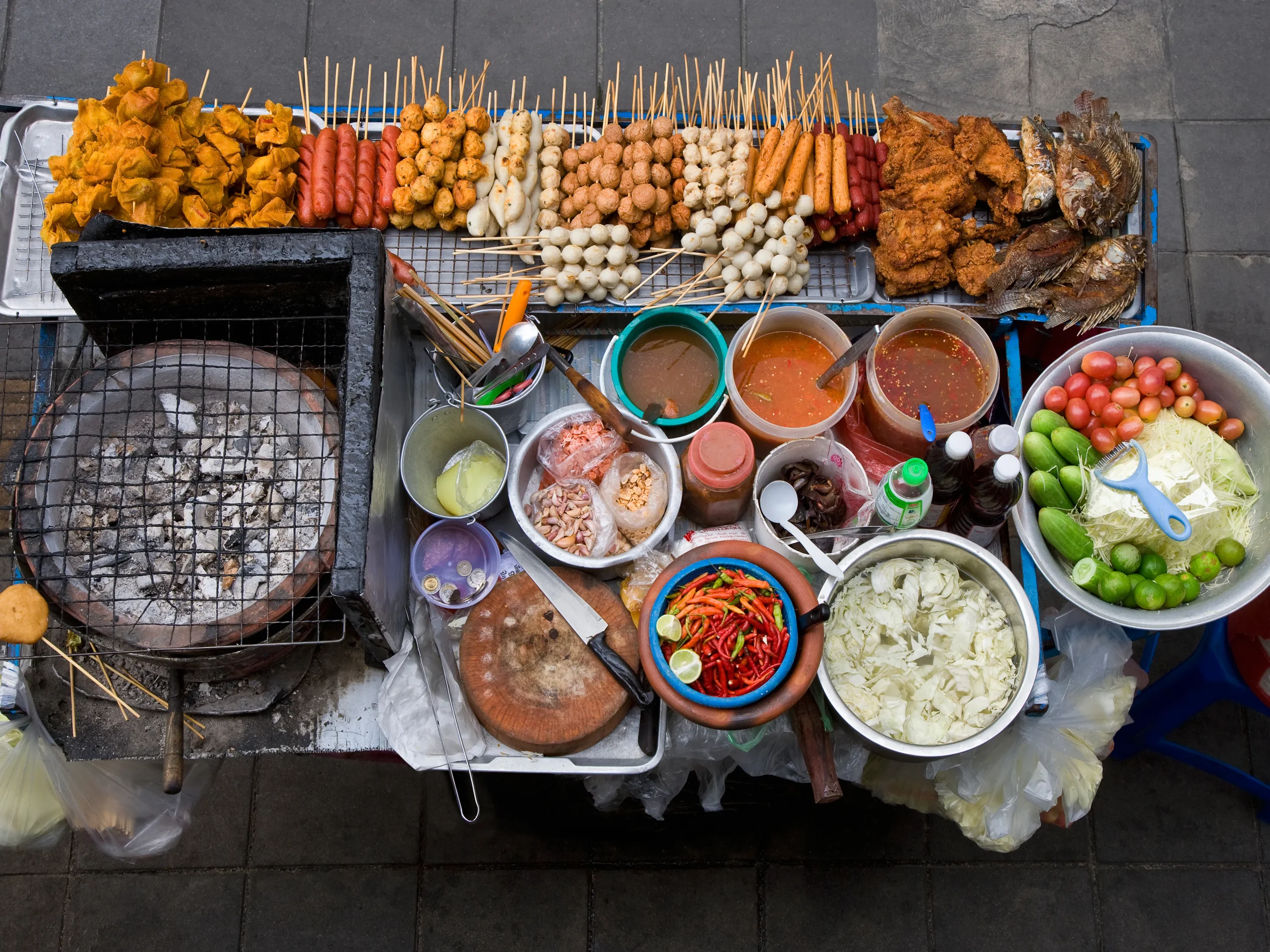
Nairobi’s nightlife has evolved beyond clubs, music, and late-night entertainment. Increasingly, the streets outside these venues are shaping how the city experiences its nights.
Street food, from mobile vendors to makeshift grills has become a vital part of the after-dark economy, offering convenience, affordability, and a sense of connection for people moving between leisure spaces and home.
What was once considered informal or peripheral has grown into a vibrant urban ecosystem. Street food is no longer just a quick solution to hunger, it has become a defining feature of Nairobi’s nightlife identity.
The Street Food Staples
As Nairobi’s nightlife spills onto the streets, a familiar range of foods dominates the after-hours economy. These are not elaborate meals, but quick, accessible options deeply embedded in how people navigate the city at night.
Smokies and Eggs
Simple, fast, and affordable, they remain a popular “grab-and-go” option for many people around the city. Typically sold for between Ksh 30 and Ksh 50, they represent cheap, practical fuel for those looking to satisfy hunger without slowing down the night.
Chips and Sausages
Commonly sold in takeaway packs, they are especially popular among groups lingering outside clubs and work. Their appeal lies in their familiarity and filling nature, often serving as alcohol-buffer food that helps balance the effects of a long night while maintaining social interaction.
Mtura
Mtura, deeply rooted in Kenyan food culture, carries a stronger cultural significance. Grilled over open flames and sold in busy street corners, it attracts both regular customers and first-time buyers. Beyond being a snack, mutura is a shared experience, often eaten communally. Its affordability also makes it widely accessible, reinforcing its popularity across different social groups.
Nyama Choma and Mshikaki
Nyama choma and mshikaki add a slower, more social rhythm to the nightlife food scene. Often found slightly away from the immediate club exits, these spots attract groups looking to unwind after a night out. The snack is typically shared, reinforcing social bonds and extending conversations after the entertainment experience ends.
Drivers of Growth
The rise of street food culture in Nairobi’s nightlife is closely linked to the city’s changing post night economy. One of the key drivers is the extension of nightlife hours. Clubs, lounges, and entertainment venues now operate well into the early morning, creating sustained demand for affordable, readily available food.
This has effectively turned street food into an extension of nightlife infrastructure rather than an alternative to it.
However, the customer base extends far beyond nightlife revelers. Business people working late shifts often rely on street food for quick, affordable meals during or after work hours.
Students attending evening and night classes also form a steady stream of customers, stopping by stalls for quick snacks before heading home or returning to study.
In addition, people moving through the city at odd hours depend on these vendors for reliable and accessible food when most formal restaurants are closed. This diverse demand has transformed street food from a survival-based activity into an essential part of Nairobi’s 24-hour urban rhythm.
Social media has further accelerated this growth. Platforms such as TikTok and Instagram have turned street food into highly shareable content, allowing vendors to reach audiences far beyond their physical locations. Viral videos showcasing busy food stalls, unique grills, and popular night snacks have elevated some vendors into informal local recognition.
The Cultural Shift
Street food has gradually become part of Nairobi’s urban identity, reflecting the realities of its nightlife culture. What was once seen as informal or marginal activity has grown into a central component of the night-time experience, shaping how people eat, move, and interact outside entertainment venues.
This blending of leisure and survival economies reflects a city that never fully switches off. For some, it is an extension of a night out, for others, a source of livelihood and for many, simply a practical way to navigate long hours in a fast-paced urban environment.