


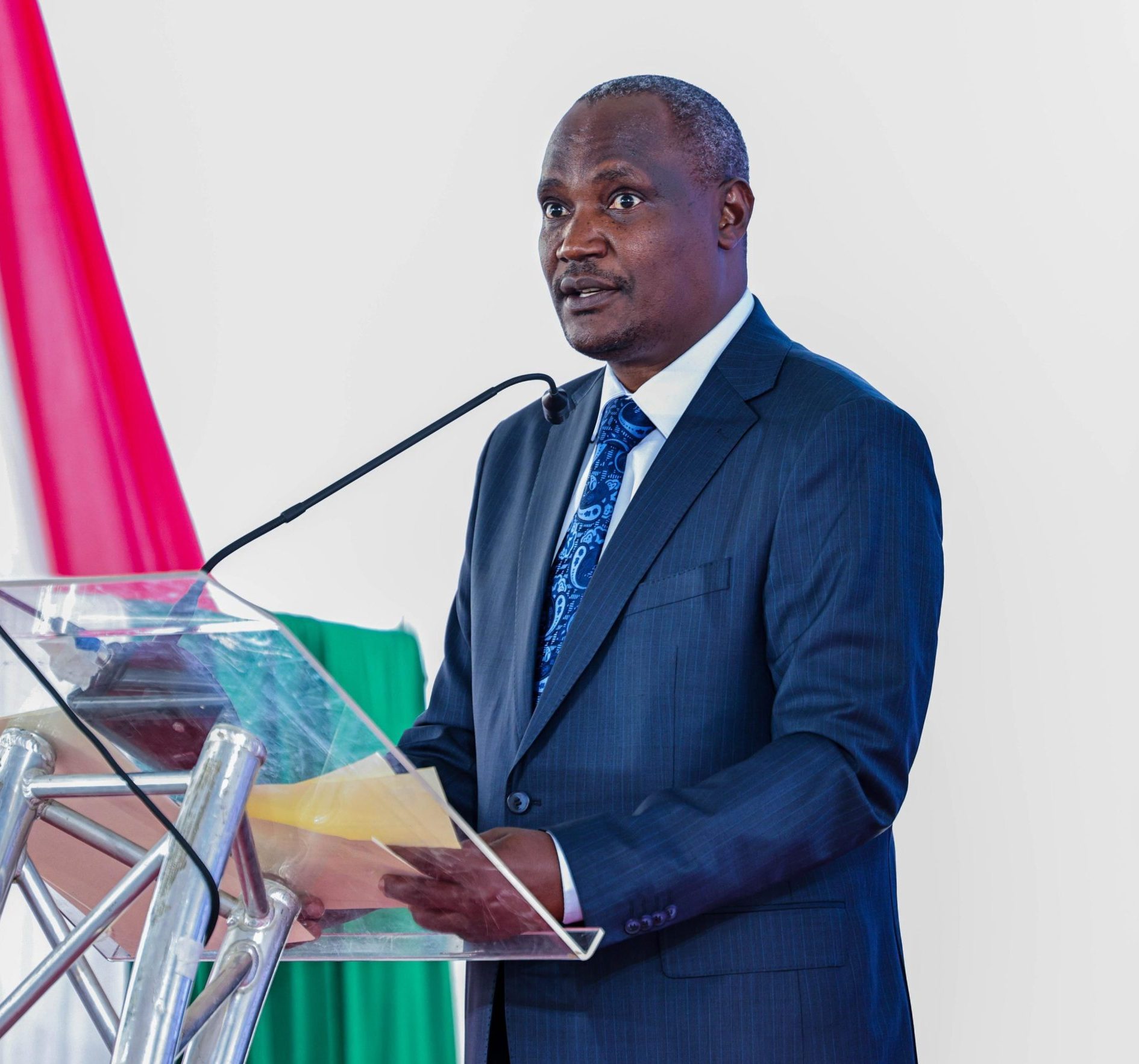
Treasury CS John Mbadi has indicated that the government is considering adjustments to Pay As You Earn (PAYE) tax bands that could reduce the tax burden for salaried workers, even as the move risks creating a Ksh 35 billion revenue shortfall.
Speaking on the ongoing review of personal income tax reforms, Mbadi said the Treasury is analysing revenue data for March, April and May to assess the impact of recent Kenya Revenue Authority reforms before finalising the proposal.
He noted that the proposed changes may be included directly in the current Finance Bill instead of waiting for a separate Tax Laws Amendment Bill later in the year.
Proposal Targets Lower PAYE Burden
Under the proposal, employees earning up to Ksh 30,000 per month would pay zero income tax.
Currently, workers earning up to Ksh 24,000 effectively pay no PAYE because the available tax relief offsets the tax due.
“We wanted to move that to Ksh 30,000 and zero-rate it,” Mbadi said.
The Treasury is also proposing to reduce the PAYE rate for workers earning between Ksh 30,000 and Ksh 50,000 to 25%, down from the current 30% charged on part of that income bracket.
According to Mbadi, the combined effect of the proposed changes would significantly lower government revenue collections.
“From Ksh 24,000 to Ksh 30,000 is also a reduction to zero. Now all that compounded gives a budget hole, meaning we are going to collect less by Ksh 35 billion,” Mbadi explained.
Treasury Explores Ways to Cover Revenue Gap
The Treasury is now evaluating how to offset the expected shortfall while maintaining fiscal balance.
Mbadi said one option is to rely on increased tax compliance and efficiency improvements being implemented by the Kenya Revenue Authority.
“Our initial projection was to use the increased revenue collection from personal income tax out of the reforms that we are carrying out at the Kenya Revenue Authority to compensate for this,” he said.
He added that stronger collections from rental income tax could also help bridge the gap.
Despite the projected loss in revenue, Mbadi signalled that the government remains committed to implementing the PAYE relief measures if ongoing reforms generate sufficient additional revenue.
“As a matter of fact, chances are that if the reforms bear fruit, we will collect much more from personal income tax, which will directly compensate this,” CS Mbadi said.
The proposed changes are expected to provide relief to formal sector workers facing high living costs, while testing the government’s ability to balance tax cuts with revenue mobilisation.