


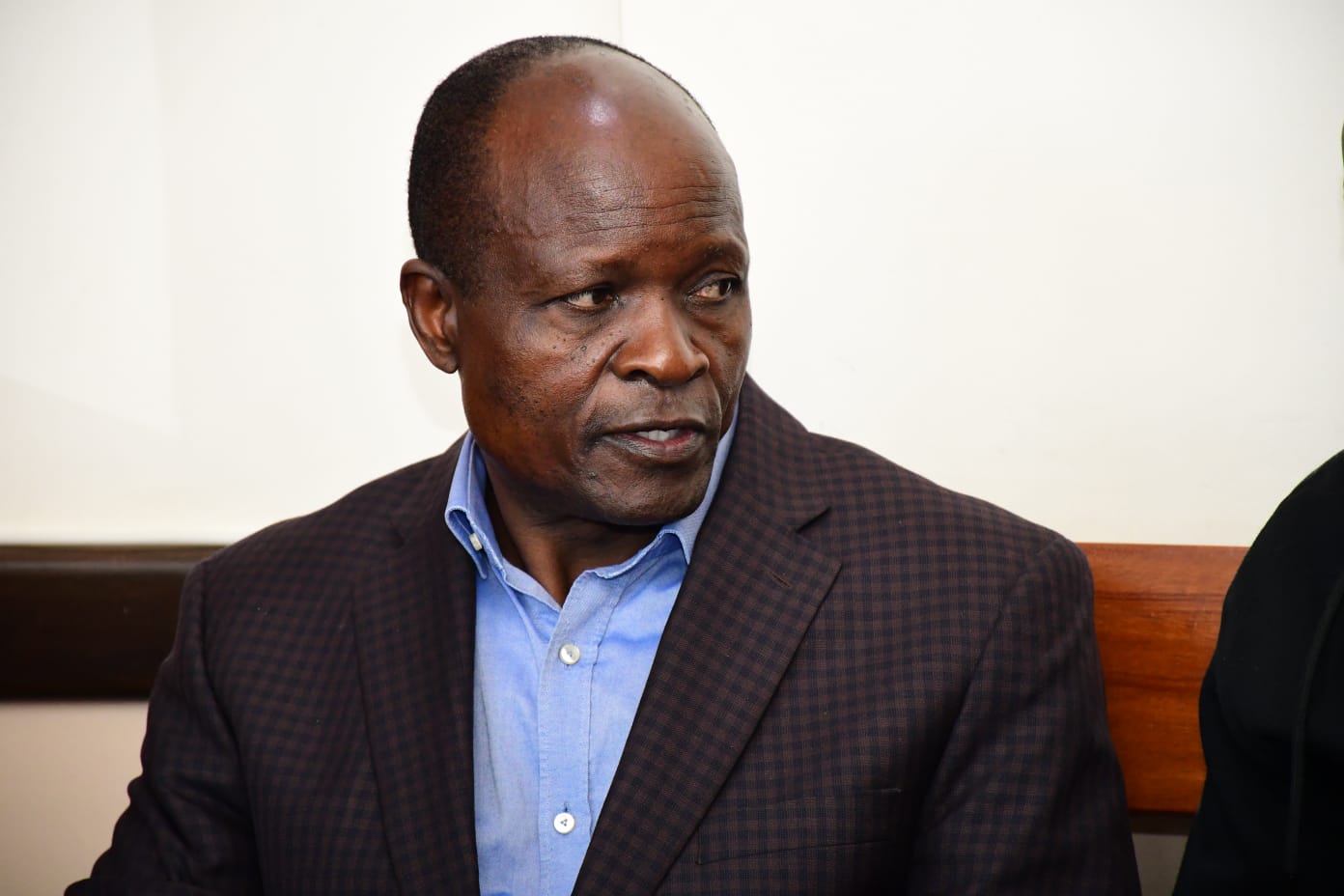
The Milimani Court has upheld a plea bargain agreement negotiated by the Director of Public Prosecutions (DPP) in a corruption case involving former Migori Governor Okoth Obado, his four children and 13 other accused persons.
In the ruling, the court adopted the agreement after finding it met constitutional and legal thresholds, noting that the accused had agreed to surrender assets worth Ksh 235.6 million, more than three times the Ksh 73.4 million under investigation.
EACC Objections Dismissed
The court dismissed objections raised by the Ethics and Anti-Corruption Commission (EACC), stating the agency had participated in negotiations and failed to demonstrate illegality or procedural impropriety.
Senior Principal Magistrate CN Ondieki ruled that the plea agreement passed the substantive legality test and did not amount to an abuse of process, adopting it as a judgment of the court and deeming all charges withdrawn under Section 137A of the Criminal Procedure Code.
The case, initially filed in 2021, involved 25 counts including conspiracy to commit an economic crime, conflict of interest, money laundering and unlawful acquisition of public property arising from alleged embezzlement of county funds between 2013 and 2017.

Assets Worth Ksh 235.6 Million Surrendered
As part of the settlement, the accused surrendered several high-value assets including properties in Nairobi and Migori commercial blocks residential apartments and two Toyota Land Cruiser vehicles alongside other assets collectively valued at Ksh 235.6 million.
The ruling marks a significant win for the DPP reinforcing the use of alternative dispute resolution mechanisms to enhance asset recovery expedite justice and protect public resources in complex corruption cases.
The matter was handled by Deputy Director of Public Prosecutions Norah Otieno and Principal Prosecution Counsel Jeremiah Walusala.
The decision reflects a broader shift within the Office of the Director of Public Prosecutions toward efficiency-driven prosecutions that reduce case backlog while improving asset recovery outcomes.