


Why Early Action on Diabetes Must Include Metabolic Health
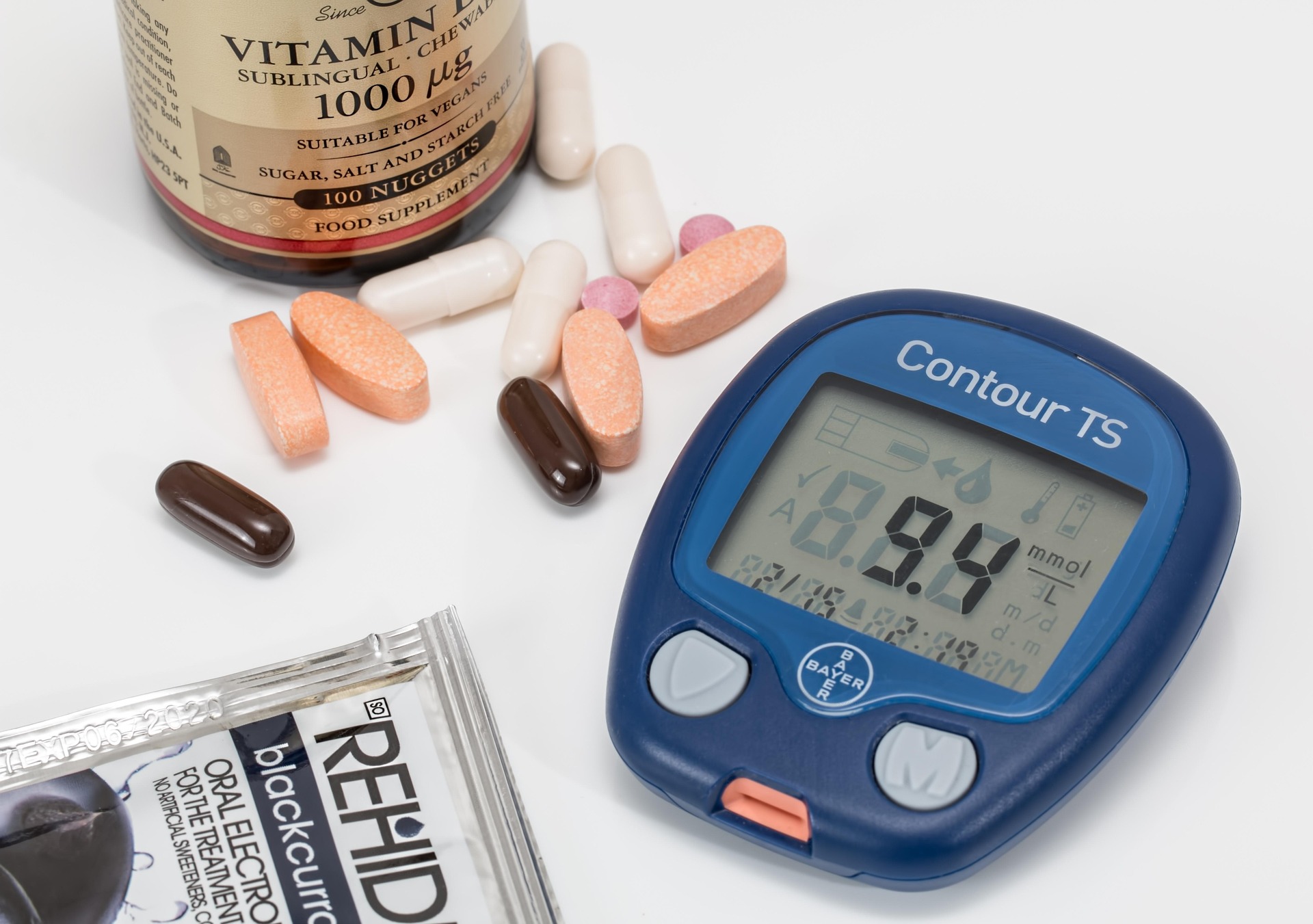
Every doctor knows a patient who runs a small business and raises a family but has never felt seriously ill. The patient eventually visits a clinic because of a wound on the foot that will not heal, blurred vision or swollen ankles. When their blood sugar is tested, the results show elevated levels that may have been high for years.
By the time the patient discovers they have diabetes, the disease may already have affected their heart, kidneys and eyes.
Unfortunately, such cases are common in Kenya. The International Diabetes Federation (IDF) estimates that 813,000 Kenyan adults are living with diabetes, with more than half unaware that they have the condition.
Another 3.8 million adults have blood sugar levels approaching the danger zone. Without intervention, more than 1.8 million Kenyans could be living with diabetes by 2050.
This year’s World Diabetes Day theme, “Early Action on Diabetes,” is particularly relevant to Kenya. The rising burden of the disease is a concern across different medical specialties. For us, as representatives of Kenya’s diabetes and obesity specialists, it is time to stop treating these two conditions as separate problems.
The Link Between Obesity and Diabetes
Obesity is one of the strongest known drivers of type 2 diabetes. Evidence from a large collection of studies shows that people living with obesity are around seven times more likely to develop the disease, while being overweight roughly triples the risk.
The connection is linked to how excess body fat affects insulin. Fat, particularly around the waist, can make the body less responsive to insulin. The pancreas then has to produce more insulin to maintain normal blood sugar levels. Eventually, it may struggle to keep up, causing blood sugar to rise.
The 2022 Kenya Demographic and Health Survey found that 45 per cent of women aged 20 to 49 were overweight or obese, up from 38 per cent eight years earlier. Among men, the figure stood at 19 per cent and was also rising.
The concern extends beyond diabetes and obesity. Excess weight and insulin resistance can also contribute to high blood pressure, unhealthy cholesterol levels and liver inflammation.
This means a person living with obesity today may also face a higher risk of developing diabetes, hypertension or heart disease in the years ahead.
The Growing Cost of Metabolic Diseases
The impact is being felt by both patients and the healthcare system.
Non-communicable diseases account for 38 per cent of deaths in Kenya and more than half of adult hospital admissions. The Kenya National Bureau of Statistics reports that NCDs accounted for 61.7 per cent of hospital deaths in 2024, up from 52.4 per cent in 2023.
A study by the African Population and Health Research Centre estimates that managing type 2 diabetes alone costs approximately KSh74.5 billion annually, with much of the spending going towards complications that could have been prevented through earlier care.
Yet, healthcare facilities often miss important warning signs because conditions are assessed separately rather than as part of a person’s overall metabolic health.
A patient may have their blood sugar checked in one room, blood pressure measured in another and be advised to watch their weight on the way out. Their waist measurement, one of the simplest and cheapest indicators of metabolic health, is rarely taken.
There is also the stigma surrounding obesity. It is often viewed as a failure of willpower rather than a chronic, relapsing condition. As a result, some people feel too ashamed to seek help until their health has deteriorated.
Knowing Your Numbers Can Make a Difference
The encouraging news is that this can change. When it comes to metabolic health, risk is not necessarily fate. While factors such as age and family history cannot be changed, many other risk factors can be addressed.
This is the thinking behind Shape Your Risk, a public awareness campaign supported by the Kenya Diabetes Study Group and the Kenya Society of Obesity and Metabolic Health. It encourages Kenyans to understand the connection between obesity and diabetes and recognize both as linked, treatable conditions that respond better when identified early.
Early action starts with knowing your numbers. These include your weight, waist measurement, blood sugar and blood pressure. They can all be checked within minutes at a health facility or neighbourhood pharmacy.
If diabetes runs in your family, or your waist measures more than 94cm as a man or 80cm as a woman, ask for a blood sugar test and discuss the results with your healthcare provider.
Healthcare professionals also have a role to play. Patients being treated for hypertension or diabetes should have their weight and waist measurements recorded. Similarly, people living with obesity should be screened for diabetes.
Obesity itself should be diagnosed, documented and managed through appropriate support, including nutrition, physical activity, behavioural interventions and, where necessary, medical treatment.
A Chance to Act Earlier
Diabetes identified early can be managed over many years, allowing people to live full and productive lives while reducing the risk of serious complications.
This World Diabetes Day, it is time to look beyond individual diagnoses and recognize the connection between obesity and diabetes.
Understanding metabolic health, knowing our numbers and seeking help early can make a meaningful difference. The earlier we act, the more opportunities we have to manage risk before complications develop.
By Dr Rosslyn Ngugi and Dr Nicola Okech