


Why Sports Stars Who Head the Ball Face a Higher Risk of Dementia
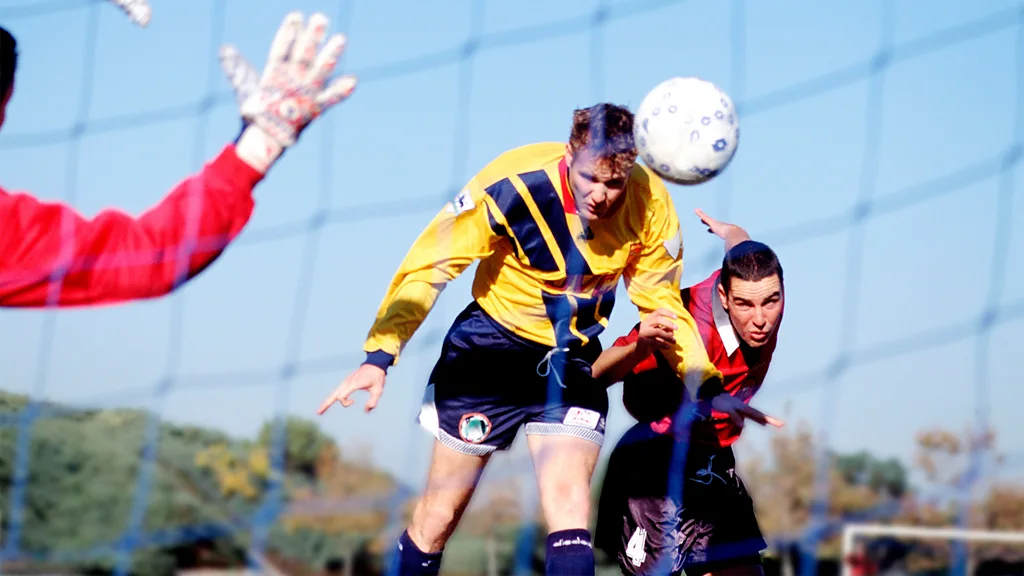
For footballers, few moments match the thrill of rising above defenders to meet a fast-moving ball and score.
Yet growing scientific evidence suggests that repeatedly heading the ball or sustaining frequent blows to the head may come at a devastating long-term cost.
Studies now show that professional footballers and American football players face a significantly higher risk of developing neurodegenerative diseases such as Alzheimer’s, Parkinson’s, and motor neurone disease later in life.
These conditions often emerge decades after an athlete’s playing career has ended.
A Risk Known for Nearly a Century
The dangers of repeated head trauma in sport are not new. As far back as 1928, US pathologist Dr Harrison Martland described a condition he called “punch drunk syndrome” among boxers.
Fighters showed symptoms such as unsteady movement, confusion, and personality changes. Over time, many developed severe dementia.
This condition later became known as dementia pugilistica, long believed to affect only boxers. However, medical understanding has evolved significantly.
From the Ring to the Pitch
In recent decades, evidence has shown that contact sports beyond boxing carry similar risks. In 2002, former England and West Bromwich Albion striker Jeff Astle died at 59 after developing early-onset dementia.
In the United States, American football legend Mike Webster died at 50 following years of cognitive decline and Parkinson’s-like symptoms.
Post-mortem examinations revealed that both athletes suffered from chronic traumatic encephalopathy (CTE), a degenerative brain disease now closely linked to repeated head impacts.
Other tragic cases followed. In 2011, former Chicago Bears player David Duerson died by suicide after battling depression. Analysis of his brain also confirmed CTE.
What Happens Inside the Brain
“CTE is a very specific form of degenerative brain disease,” explains Professor Willie Stewart, a consultant neuropathologist at the University of Glasgow. “We only see it in people with a history of repetitive head injuries or impacts.”
Under a microscope, brains affected by CTE show abnormal deposits of a protein called tau, which disrupts normal brain function. Over time, this damage leads to memory loss, impaired judgment, mood disorders, and movement problems.
Unlike concussion, which causes immediate symptoms, CTE develops silently. The damage accumulates over years and often becomes apparent long after an athlete has retired.
Why Footballers Are Especially Vulnerable
While collisions are common in many sports, footballers face a unique risk. Heading the ball may not cause immediate injury, but repeated low-level impacts especially from heavy, waterlogged balls used in the past can gradually damage brain tissue.
Defenders and midfielders, who head the ball most often, appear to face the highest risk.
What Can Be Done
Awareness is growing, and sports bodies are beginning to respond. Some leagues have limited heading in youth football, while others are reviewing concussion protocols and long-term player welfare.
Experts say more action is needed, including:
-
Stricter limits on heading during training
-
Better long-term health monitoring for retired players
-
Investment in brain health research
-
Clearer education for players, coaches, and parents
As science continues to uncover the long-term consequences of repeated head impacts, one message is becoming clear: protecting athletes’ brains must be as important as protecting the game itself.