


A new push to improve access to eye care services in Kenya is taking shape through the introduction of the Vision Centre model, a community-focused approach designed to bring essential eye health services closer to people.
The initiative was explored through a stakeholder meeting that brought together Government agencies, hospitals, faith-based institutions, eye care professionals, NGOs, community organizations, and private sector actors who had a discussion on practical solutions for strengthening primary and community-level eye care delivery.
Partnership Driving the Vision Centre Model
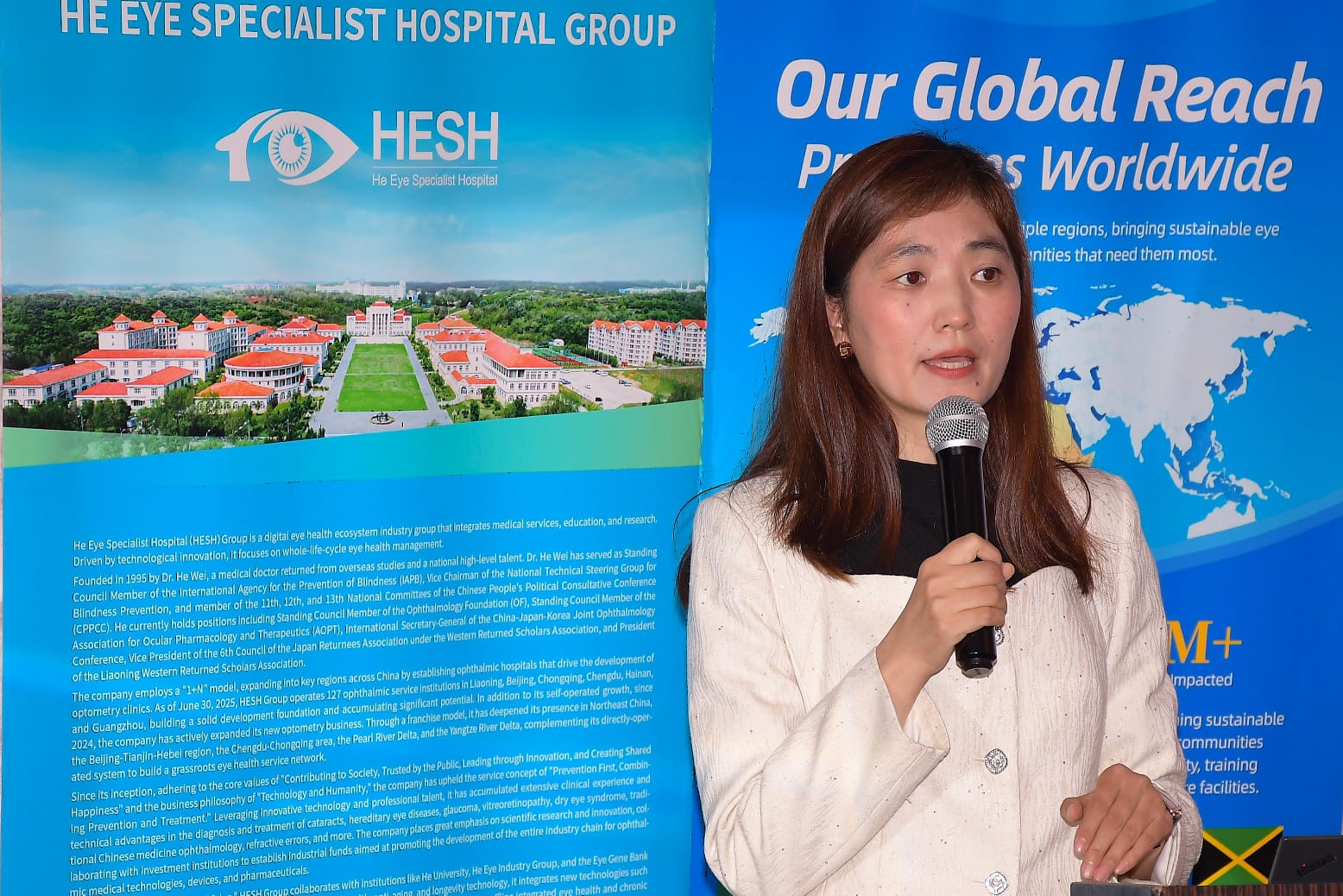
The discussion was convened through a partnership between Women Youth and Children Development Organization (WYCDO Kenya) and He Eye Specialist Hospital (HESH) Group.
WYCDO is leading stakeholder coordination and local engagement, while He Eye Specialist Hospital (HESH) Group introduces the Vision Centre model alongside supporting technologies, equipment, and service frameworks.
The partnership aims to explore how the model can be integrated into Kenya’s existing health ecosystem without replacing hospitals or current programmes, but instead strengthening referral systems and expanding access at the grassroots level.
The Vision Centre model is built around decentralising eye care services. These centres are designed to support early screening, basic diagnosis, refraction services, community awareness, and structured referrals to higher-level facilities when advanced treatment is required.
In more resourced areas, Vision Centres may be operated by optometrists, opticians, clinical officers, and outreach teams.
In underserved regions, trained support staff and community health workers may use AI supported screening and referral tools under professional guidance, ensuring continuity of care even where specialists are limited.

Strengthening Referral Systems and Continuity of Care
A key focus of the initiative is improving referral completion and closing gaps between screening, diagnosis, treatment, and follow-up.
Despite Kenya’s strong network of eye care programmes, many patients still access services late, and referral systems often fail to ensure continuity of care.
Limited equipment, uneven distribution of professionals, and concentration of services in urban centres continue to contribute to preventable vision loss.
The Vision Centre approach is also being positioned as a sustainable social enterprise model. Rather than relying solely on donor funding, the centres are expected to operate through service delivery, partnerships, technology integration, and locally managed business frameworks.
Potential operators include hospitals, clinics, faith-based institutions, NGOs, and private or social enterprise actors, creating opportunities for youth employment and community-based entrepreneurship in health service delivery.

Learning from International Experience
Internationally, similar models have been implemented in parts of Asia and in African countries such as Ghana and Cameroon.
However, stakeholders emphasize that Kenya’s approach will be tailored to local health system structures, regulatory frameworks, and workforce realities.
The workshop also explored the role of technology and AI-supported tools in enhancing screening accuracy, diagnosis, and referral efficiency.
Ultimately, the Vision Centre initiative is positioned as a starting point for collaboration, with stakeholders expected to engage further on possible pilot projects that could reshape access to eye care across Kenya.