


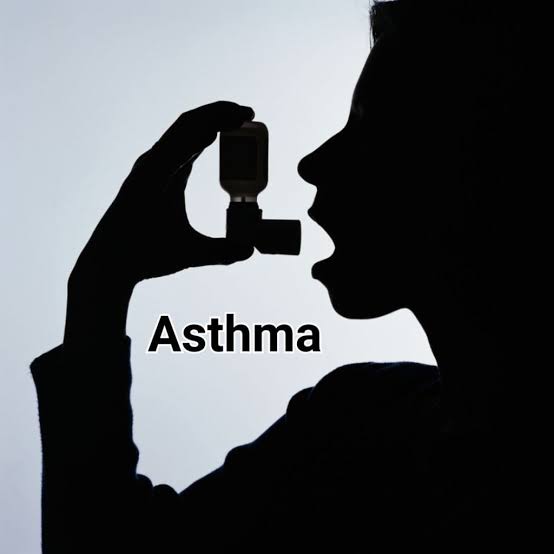
The Fight Against Asthma: Breathing Easier Through Awareness And Action
Breathing is something that most people take for granted until it becomes an ongoing battle. Every breath for millions of asthmatics can feel like a battle against congested airways, dust, and pollution.
As cases continue to grow in Kenya and throughout the world, awareness and good management have emerged as critical tools in the battle against this silent but dangerous ailment.
World Asthma is usually commemorated every year on the first Tuesday in May.
Understanding Asthma
Asthma is a lung disease in which your airways enlarge, narrow and fill with mucus. This can make it difficult to breathe and create symptoms such as chest tightness, coughing, and wheezing.
Common types of Asthma Include:
Allergic Asthma
Cough Variant Asthma
Exercise Induced Asthma
Occupational Asthma
Recognizing Triggers and Causes
Asthma affects both children and adults and is the most common chronic disease among children.
What Are the Symptoms
Asthma symptoms can vary from person to person and they significantly get worse. This is asthma attack.
Chest tightness, making it different to breath.
Persistent cough, especially at night.
Wheezing when exhaling and sometimes when inhaling.
Shortness of breath or difficulty breathing, sometimes even when resting.
Asthma Triggers
Asthma Triggers are anything that leads to or worsens asthma symptoms. You may have one unique trigger or several.
Toxins in air: car exhausts, wildlife smokes.
Smoke: smoking, secondhand smoke, thirdhand
Exercise: especially intense physical activity.
Occupational exposures: sawdust, flour, glues
Respiratory Infections: cold, flu and other illnesses.
A variety of factors have been linked to an increased chance of having asthma, although it is sometimes difficult to establish a single exact reason.
Asthma is more likely if other family members have it particularly parents.
Children and adults who are overweight or obese, are at greater risk.
Urbanization is associated with increased asthma prevalence due to multiple lifestyle factors.
Asthma Management
Asthma management includes a combination of medical care, lifestyle changes, and understanding of personal triggers. The most frequent therapy is the use of inhalers, which administer medication directly to the lungs, opening up airways and reducing inflammation.
Asthmatics are often recommended to have two types of inhalers: one for everyday management and one for immediate relief during an episode.
Regular medical exams allow doctors to monitor the condition and alter therapy as necessary. Aside from medicine, people may control their asthma by keeping their environments clean and dust-free, avoiding cigarette smoke, and avoiding recognised triggers such strong scents, pollen, and cold air.
Exercise can also be beneficial when done in moderation and under medical supervision since it strengthens the lungs and increases general fitness.
Most significantly, awareness and preparedness make a significant difference knowing when to take medicine, recognising early indications of an attack, and being cool during crises may help people with asthma live full, active lives.