


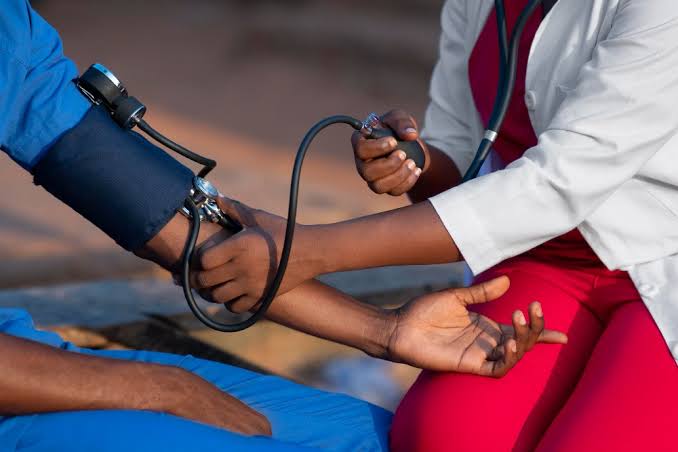
The Silent Epidemic: Hypertension in Young Adults
Hypertension is no longer a disorder limited to middle age. People in their twenties and thirties are increasingly being diagnosed with high blood pressure at routine checks, frequently with no warning signs.
Hypertension, previously thought to be an aging disease, is quietly gaining traction as a critical public health problem for a generation that rarely considers itself vulnerable.
What Is Hypertension/ High Blood Pressure?
High blood pressure is a common condition that affects the body’s arteries. It’s also called hypertension. If you have high blood pressure, the force of the blood pushing against the artery walls is consistently too high.
It can cause serious problems such as a heart attack or stroke. Because high blood pressure rarely causes symptoms, it is commonly referred to as a “silent killer.”
What’s considered high blood pressure varies slightly based on where you live.
According to the statistics by the World Health Organisation, an estimated 1.4 billion adults aged 30–79 years worldwide had hypertension, which represents 33% of the population in this age range.
Why Young Adults Are Increasingly Affected?
- Obesity: Excess body fat raises blood pressure through a variety of ways, increases insulin resistance, which promotes sodium retention. Triggers chronic low-grade inflammation that stiffens blood vessels.
Young adults who are obese are substantially more likely to acquire early-onset hypertension, and the duration of exposure increases their future cardiovascular risk.
- Lack of Physical Activity: When a person is not physically active, the heart and blood vessels lose efficiency. Regular activity helps blood vessels remain flexible and increases circulation. Without exercise, the body is more likely to acquire weight, and the heart has to work harder to circulate blood. Long hours of sitting, whether at a desk, in traffic, or at home, raise the risk of developing high blood pressure over time.
- Alcohol Consumption: Drinking alcohol frequently or in significant quantities can cause high blood pressure. Alcohol stimulates the neurological system, causing the heart to beat quicker and the blood vessels to contract. It also adds calories, which may contribute to weight gain, another risk factor for hypertension. While occasional drinking may not be harmful, regular heavy intake increases the risk of long-term blood pressure issues.
- Smoking: Smoking has an immediate effect on the blood vessels. Nicotine causes them to tighten, raising blood pressure briefly. Smoking gradually erodes the artery lining, making it less flexible and more susceptible to occlusion. Even although it does not necessarily result in persistent hypertension, smoking raises the risk of heart disease and stroke, particularly in persons with pre-existing high blood pressure.
- Some Health Conditions: Even in young people, high blood pressure can result from certain medical disorders. Diabetes, thyroid issues, kidney disease, and sleep disorders including sleep apnea can all affect the body’s ability to control blood pressure. In these situations, managing the underlying illness is crucial to successfully managing hypertension.

The symptoms of high blood pressure in young adults
~ Irregular Heartbeats
~ Headaches mostly in the morning
~ Shortness of breath
~ Flushed Face
~ Nosebleeds
~ Vision Problems
Why Hypertension in Young Adults Is More Dangerous
a) Heart failure before age 50
Continuous strain on the heart might cause it to deteriorate over time. Long-term hypertension, if left untreated, can progress to heart failure, a condition in which the heart is no longer able to properly pump blood, which is becoming more common in young adults.
b) longer lifetime exposure to high blood pressure
When hypertension develops in the 20s or early 30s, blood arteries are subjected to high pressure for decades. This persistent strain gradually weakens the artery walls, making them thicker, narrower, and less flexible. The cumulative harm increases with duration of exposure.
c) Higher risk of early stroke
Persistent high blood pressure weakens and stiffens the blood vessels in the brain. Over time, this raises the chance of blockages or ruptures, which can result in stroke at a far earlier age than previously thought.
d) Early heart disease
The heart must work more than usual to pump blood while hypertensive. Because of this ongoing strain, the heart muscle may enlarge (a condition called left ventricular hypertrophy), which raises the risk of coronary artery disease and heart attacks at a younger age.
Role of Stress in Modern Youth Culture
Stress has become a defining aspect of modern adolescent culture, and the effects on blood pressure are frequently underestimated.
Many young individuals are dealing with employment insecurity, precarious contracts, and severe labor market rivalry, all while trying to keep up with rising urban living costs. The drive to achieve fuels a hustle culture that values long hours and constant productivity, leaving little time for relaxation or rehabilitation.
Academic expectations and employment insecurity exacerbate anxiety among students and recent graduates. Simultaneously, social media platforms heighten comparison, exposing young people to meticulously managed lifestyles that can exacerbate feelings of inadequacy and financial stress.
How to prevent high blood pressure in young adults
~ Getting enough sleep (7 – 9 hours per night)
~ Quit Smoking
~ Managing weight
~ Exercise Regularly
~ Eating Nutritious food
Hypertension in young adults is no longer a faraway health concern, it is a developing issue caused by modern lifestyles and uncontrolled stress. Without early detection, consistent screening, and purposeful lifestyle modifications, a generation may face decades of preventable cardiovascular damage.