


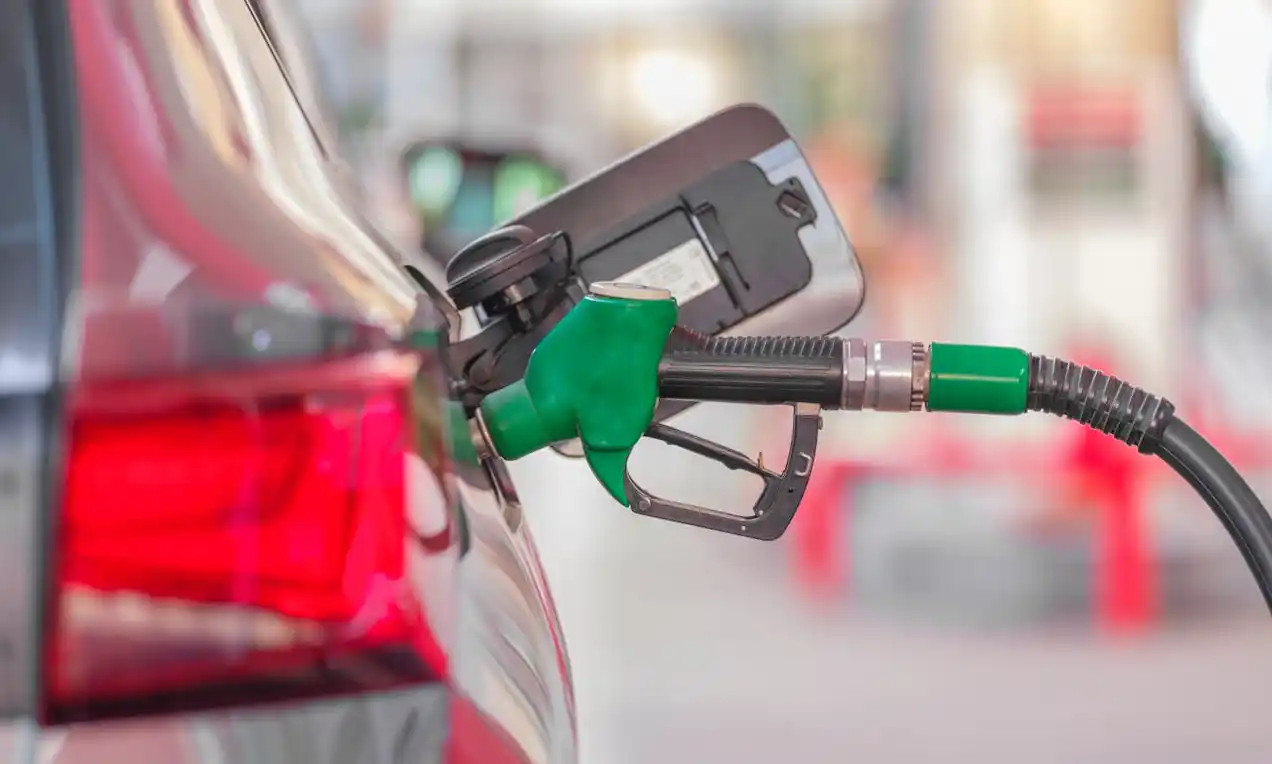
Fuel prices in the country have risen considerably for the period between April 15 and May 14, 2026, reflecting rising global oil costs despite government intervention steps to protect consumers.
The Energy and Petroleum Regulatory Authority (EPRA) announced that the maximum retail price of Super Petrol has increased by Ksh 28.69 per liter, while Diesel rose even more steeply by Ksh 40.30 per litre. The price of Kerosene, however, remained unchanged during the review period.
VAT Cut and Subsidy Cushion Consumers
To mitigate the impact of rising international fuel costs, the government decreased the Value Added Tax (VAT) on petroleum goods from 16% to 13%. This change, combined with the usage of the Petroleum Development Levy (PDL), is designed to reduce the cost on customers.
Approximately Ksh 6.2 billion from the PDL fund will be used to stabilize pump prices, reflecting the government’s persistent intervention in the energy sector in the face of uncertain global markets.
Global Oil Prices Drive Local Increase
The latest price adjustments were largely driven by a sharp increase in the landed cost of imported fuel. Super Petrol recorded a 41.53% jump, rising from US$582.11 to US$823.87 per cubic meter between February and March 2026.
Diesel prices surged by 68.72% over the same period, while Kerosene saw the steepest increase at 105.15%. These spikes reflect escalating international oil prices, which directly affect Kenya due to its reliance on imported refined petroleum products.
Since petroleum products are traded globally in US dollars, fluctuations in the exchange rate between the Kenyan shilling and the dollar also play a critical role in determining local pump prices.
Pricing Mechanism and Regulatory Role
EPRA emphasized that the petroleum pricing framework is designed to cap retail prices while allowing oil marketers to recover importation and operational costs. This ensures a balance between consumer protection and market sustainability.
New Pump Prices in Major Cities
The revised prices vary slightly across major towns, reflecting transport and distribution costs:
- Nairobi: Super Petrol Ksh 206.97, Diesel Ksh 206.84, Kerosene Ksh 152.78
- Mombasa: Super Petrol Ksh 203.69, Diesel Ksh 203.56, Kerosene Ksh 149.49
- Nakuru: Super Petrol Ksh 206.03, Diesel Ksh 206.25, Kerosene Ksh 152.21
- Eldoret: Super Petrol Ksh 206.85, Diesel Ksh 207.07, Kerosene Ksh 153.03
The most recent analysis highlights the susceptibility of Kenya’s fuel prices to global market trends. While tax cuts and subsidies provide temporary respite, prolonged rises in global oil prices and currency pressures continue to threaten price stability.
Going ahead, the effectiveness of government interventions will be important in protecting consumers from future instability in the global energy market.
Beyond the immediate impact at the pump, the ripple effects of the price increase are likely to be felt across the wider economy.
With fuel being a key input cost, public transport operators are expected to adjust fares upward to reflect the higher cost of fuel, which powers most buses and matatus. This means that daily commuters especially in urban areas like Nairobi will face increased transport expenses in the coming weeks.