

The Ministry of Interior has stepped up its national campaign on illicit brew and drug trafficking, with new data confirming widespread seizures and destruction of illegal drugs across numerous areas.
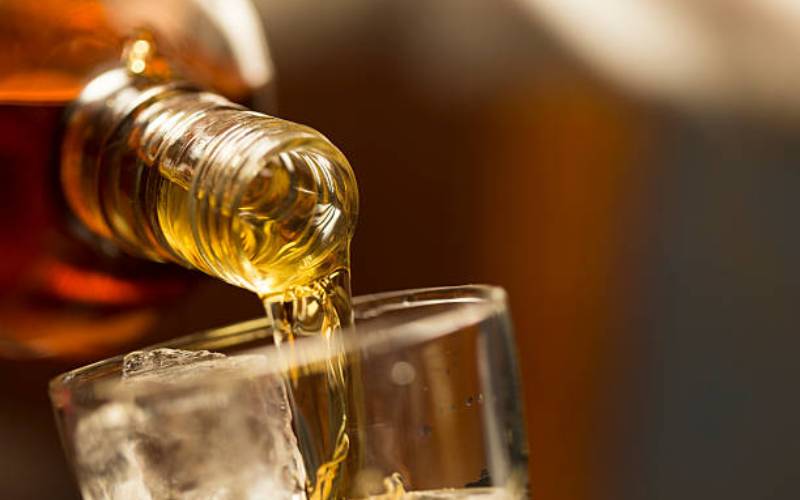
According to the latest enforcement update released in collaboration with National Authority for the Campaign Against Alcohol and Drug Abuse (NACADA), authorities have destroyed over 2.8 million litres of illicit alcohol since the beginning of the year, signaling an aggressive push to curb the production and distribution of unsafe brews.
Significant Seizures Highlight Scale of Problem
According to the study, in addition to illicit alcohol, law enforcement agents have collected large amounts of other narcotics.
This consists of 21,280 liters of ethanol, 7.7 kilos of cocaine, 6.4 kilograms of ketamine, and 4,347 kg of cannabis. A lesser quantity of methamphetamine, weighing 1.1 kilos, was also recovered.
Authorities have also arrested 973 suspects in connection with the illegal trade, pointing to a coordinated enforcement effort targeting both producers and distributors.
Regional Crackdown Reveals Hotspots
The nationwide operation reveals regional differences in illegal brew activity, with some areas seeing much more seizures than others.
Nyanza was among the most hit, with approximately 690,000 liters of illicit alcohol confiscated or destroyed. Kisii County had the most seizures nationally, highlighting the severity of the situation in the region.
Rift Valley followed with more than 870,000 liters confiscated, owing primarily to the popularity of indigenous brews like as chang’aa and kangara. Western Kenya also saw high rates, with over 600,000 liters confiscated, notably in counties like as Kakamega and Busia.
In contrast, the North Eastern area reported the lowest results, with fewer than 500 liters collected, implying either a lower prevalence or a different enforcement strategy.
The Eastern and Central areas also had substantial enforcement outcomes, with over 200,000 and 60,000 liters confiscated, respectively. Coastal areas, including Mombasa and Kilifi, had around 60,000 liters confiscated, with officials noting the region’s sensitivity owing to tourism and supply chain issues.
Sustained Enforcement and Compliance Efforts
The Ministry noted that the crackdown is part of a broader strategy to enforce licensing regulations, disrupt illegal supply chains, and protect public health from the dangers of unregulated alcohol consumption.
Officials indicated that the consistent seizures in regions such as Central Kenya reflect improved compliance and sustained enforcement, while high figures in other areas point to persistent challenges in controlling illicit production.
Public Health and Safety at the Core
The government has maintained that the campaign is not only about law enforcement but also about safeguarding communities from harmful substances often linked to fatalities, addiction, and socio-economic disruption.
With millions of litres already destroyed and hundreds of arrests made, authorities say the operation will continue, with a focus on intelligence-led enforcement and community collaboration to eliminate illicit alcohol and drug networks.
The latest data underscores both the progress made and the scale of the challenge ahead, as the government intensifies efforts to dismantle entrenched illegal trade networks across the country.