

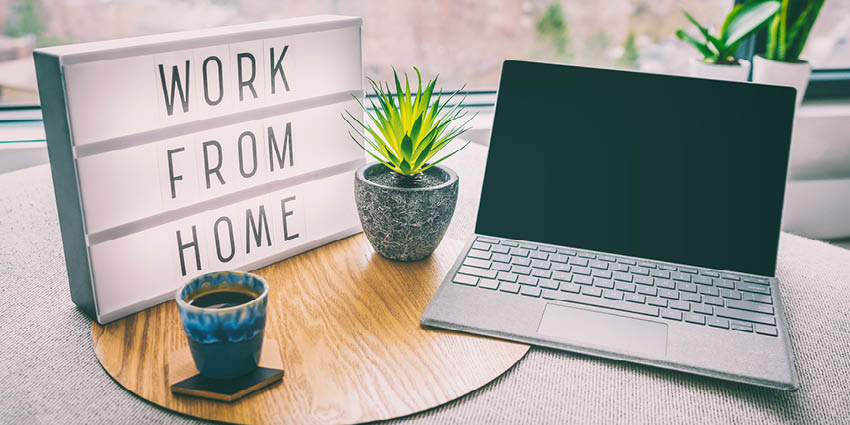
Working from home has become a regular reality as technology and globalization have advanced, particularly after the COVID-19 pandemic.
While remote work provides flexibility and convenience by allowing many people to choose their own schedules, it has also blurred the distinction between work and personal life. For many people, home is no longer merely a place to relax, but also a location where professional and personal boundaries continuously intersect.
The Shift in Daily Structure
One of the most visible effects of the work-from-home culture has been the alteration of everyday habits. Unlike typical office settings, which impose regular wake-up times, commuting schedules, and clearly defined working hours, remote work has provided a more flexible framework for the day.
Many employees now start their mornings later or earlier, depending on their preferences, with work starting as soon as they connect to their devices, often from home.
Remote Work and Work-Life Balance
Work-life balance refers to the relationship between a person’s work commitments and their personal life. It is the point at which a person can effectively complete their work commitments while maintaining their personal time.
Advantages of remote work for work-life balance
Remote work has fundamentally altered how people manage their professional and personal lives, providing several advantages that contribute to better work-life balance.
Flexibility
Remote employment allows people to choose their own schedules, making it simpler to manage personal and professional duties. This flexibility allows people to work at their most productive hours while still attending to family and personal needs.
Elimination of commuting
One of the most obvious advantages of remote work is the elimination of regular commutes. This not only saves time but also alleviates the stress associated with traffic congestion and long commute times, allowing people to use that time for relaxation, family time, or personal growth.
Shaping your workplace environment
Working from home allows people control over their environment. Unlike typical office settings, employees may build a comfortable and personalized atmosphere that improves attention, productivity, and general well-being.
Ideal time for personal life
Individuals who commute less and have more flexible schedules frequently find they have more time for personal pursuits, hobbies, and family involvement. This increased time can help to develop relationships and live a more balanced existence.

Challenges of work-life balance when working remotely
Working remotely might make it difficult to balance business and personal life. Physical distance can cause challenges in a range of areas, which must be considered.
Blurring the lines between work and personal life
Without a clear physical barrier, such as an office, many people find themselves responding to emails late at night or working on projects outside of formal working hours, which can lead to burnout over time.
Distractions: Home environments are not always ideal for focused work. Household chores, family members, social media, and other distractions may quickly disturb attention, lowering productivity and making it difficult to accomplish tasks on time.
Communication problems and collaboration: Remote employment can reduce face-to-face interaction, making communication less immediate and, in certain cases, less clear. This can result in misunderstandings, delays in decision-making, and decreased team cohesion, particularly in professions that rely largely on collaboration.
Strategies to improve work-life balance when working remotely
Work-life balance in remote employment may be enhanced by combining purposeful behaviors and structure. Effective time management is essential, since it entails prioritizing activities, defining clear daily goals, and scheduling work into specified time blocks to ensure productivity while avoiding overwork or procrastination.
Establishing a defined work schedule is also important because it promotes habit and discipline, defining specific start and finish hours for the working day allows people to mentally separate professional tasks from personal life, preventing work from spilling over into personal time.
Remote work has radically changed how people approach their daily routines and define work-life balance, providing equal opportunities and challenges. Maintaining a good balance in remote work requires purposeful effort, discipline, and organization in daily routines.