


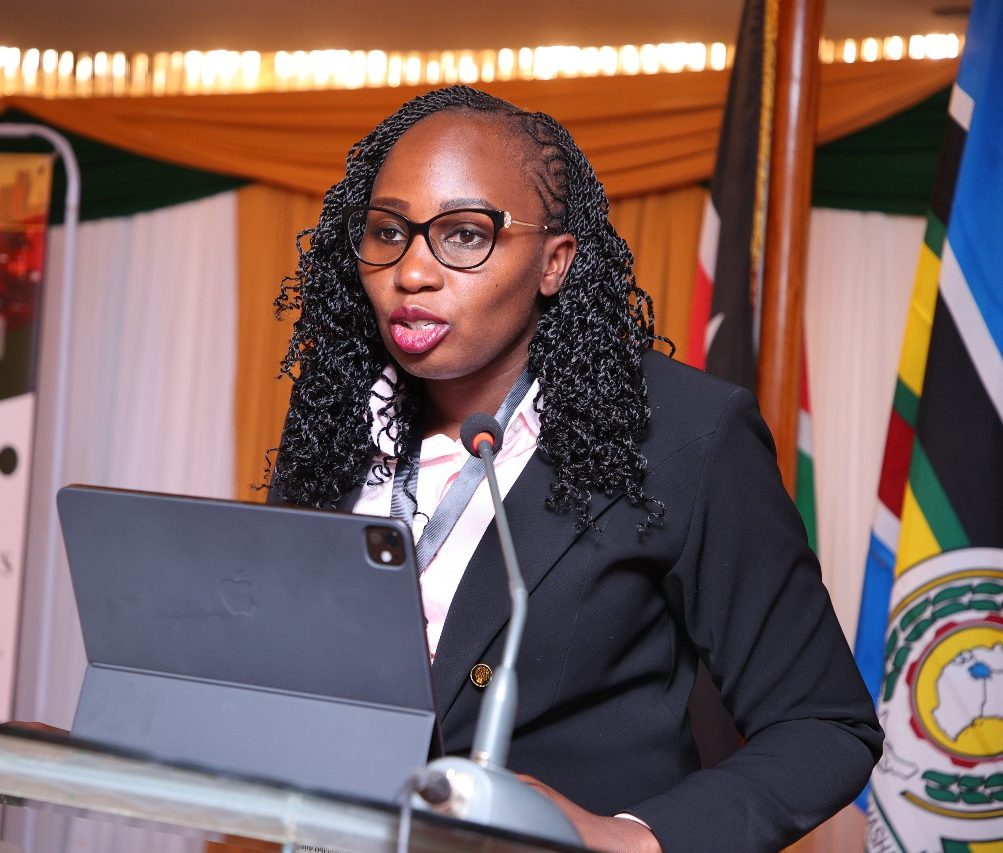
Former LSK President Faith Odhiambo has raised concerns over provisions in the Finance Bill, 2026, warning that several of its tax measures could significantly increase the burden on households, traders and businesses if passed in its current form.
The Finance Bill, 2026 was published on 30th April and is now before Parliament. It outlines the government’s plan to raise Ksh3.63 trillion in revenue for the 2026/27 financial year, alongside a widened budget deficit of 5.3% of GDP, up from 4.7% in 2025/26.
Odhiambo noted that while these fiscal targets are not unreasonable, the distribution of the tax burden raises serious equity concerns.
Compressed Tax Filing Timelines Raise Compliance Concerns
A key issue is the proposed change in tax filing timelines, which moves the income tax return deadline to April 30 from June 30, while compressing nil return filing to January 31.
She argues this reduces compliance time for audit preparation and cash flow planning, particularly affecting small businesses and individual traders who already face high administrative pressure.
On informal trade, the Bill introduces a new Section 12H under the Income Tax Act, requiring mitumba traders to pay tax upfront at 5% of customs value before goods are released by KRA.
Odhiambo warned that this effectively forces traders importing goods worth Ksh1 million to pay Ksh50,000 regardless of profit or loss, questioning its fairness and equity.

Rental Income and Digital Services Face Higher Costs
The bill also proposes raising the residential rental income tax from 7.5% to 10%, which she believes will exacerbate noncompliance unless enforcement procedures are strengthened beforehand.
In the digital economy, the elimination of VAT exemptions on money transfers and payment processing may boost the cost of financial inclusion tools popular with Kenyans.
Additional concerns include the inclusion of interchange and merchant service fees in the withholding tax on management or professional fees, which is projected to raise compliance costs for businesses and consumers.
The Bill also empowers KRA to deem at least 60% of undistributed corporate income as dividends for taxation, which Odhiambo argues ignores legitimate reinvestment decisions.
A proposed 25% excise duty on mobile phones has also been flagged as problematic, given the central role of phones in banking, communication and access to public services.
Missing PAYE Relief Sparks Questions
Notably, expected PAYE relief and restructuring of tax bands is absent from the Bill, a gap Odhiambo says requires explanation to salaried workers.
However, she acknowledged positive provisions, including the reduction of corporate tax for non-resident firms from 37.5% to 30%, extension of tax amnesty to December 2025, and VAT exemptions on electric mobility, healthcare and infrastructure inputs.
Faith Odhiambo has urged Parliament to scrutinise the Bill thoroughly, warning against repeating past legislative controversies.