


The Kenya Nuclear Regulatory Authority (KNRA) has issued a notice to importers, exporters, and licensed cargo agents, adopting stronger cargo screening and compliance requirements to improve nuclear and radiological safety at all Kenyan ports of entry and exit.
Established under Section 5 of the Nuclear Regulatory Act, Cap 243 of the Laws of Kenya, KNRA is mandated to regulate the safe, secure, and peaceful use of atomic energy and nuclear technology. Its mandate also covers radiation sources and radioactive waste management. The latest directive outlines enhanced protocols for both containerized and non-containerized cargo.
Mandatory Cargo Screening
KNRA has mandated that every cargo entering or departing the country undergo specialized screening. The technique is intended to detect and prevent the illegal trafficking of unique nuclear materials and other hazardous substances.
The Authority underscores that this step is important to ensuring national security, public health, and conformity with international nuclear safety standards.
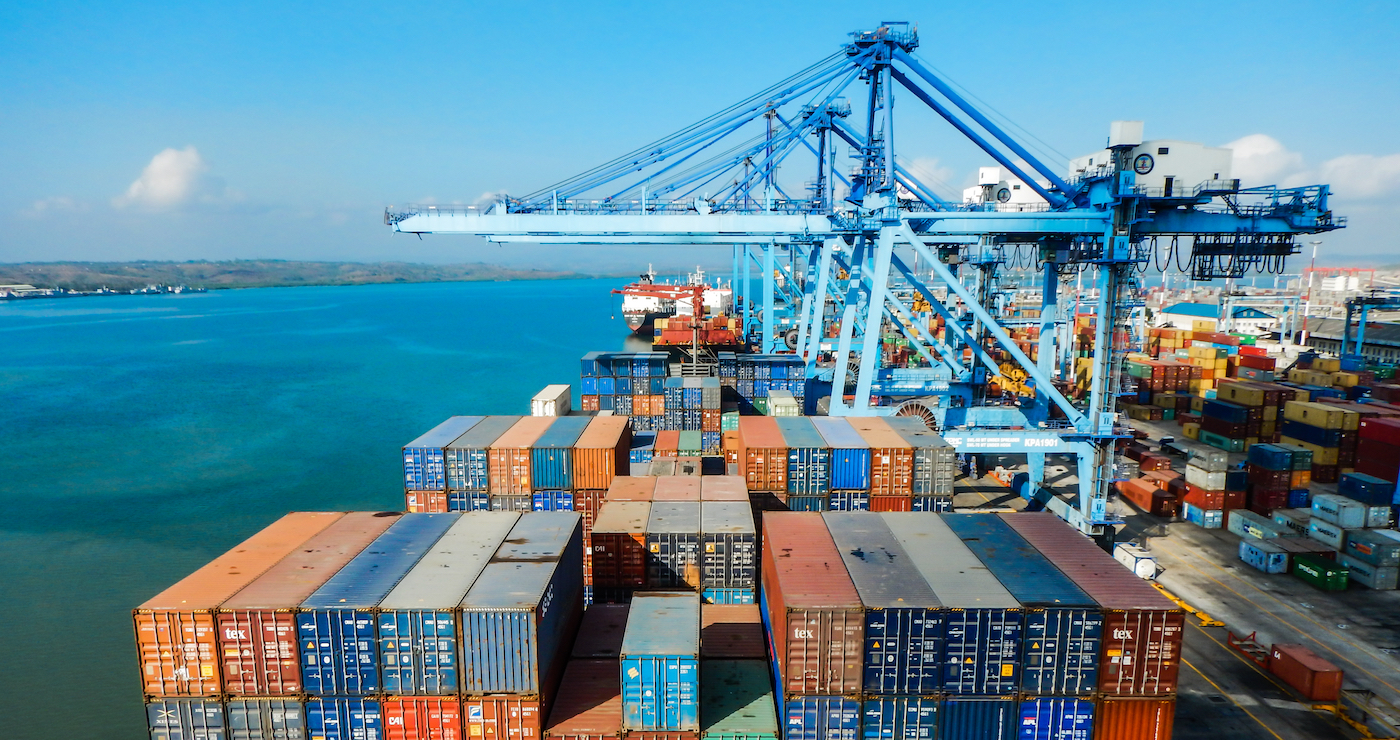
Containerized goods will be needed to pass through radiation portal monitors established at important locations such as the Port of Mombasa and Inland Container Depots. These devices detect gamma and neutron radiation using non-intrusive, high-sensitivity equipment that does not hinder cargo transportation.
KNRA further requires that all legitimate shipments containing radioactive materials must be accompanied by a valid KNRA import license. Importers must also ensure accurate documentation, including the correct Harmonized System (HS) codes, to support proper classification and verification.

Operational Requirements for Stakeholders
Importers, exporters, and licensed cargo agents have been required to follow strict operational rules at ports and depots. Truck drivers and terminal operators must adhere to established traffic flow patterns to avoid evading security checks.
The Authority has also emphasized the necessity of complete collaboration with KNRA personnel and multi-agency teams to achieve timely cargo clearance and reduce delays. Effective cooperation is intended to increase productivity while upholding security standards.
Verification Fees and Compliance Obligations
KNRA confirmed that verification costs would be charged in accordance with the Third Schedule of Legal Notice 160. Stakeholders ought to familiarize themselves with the appropriate costs and ensure compliance during cargo processing and licensing procedures.
Failure to comply with the indicated standards may result in delays, fines, or enforcement action, as specified by the regulatory framework.
The directive will take effect on 1st May 2026, allowing stakeholders sufficient time to align their operations with the new requirements. KNRA has encouraged importers, exporters, and agents to seek clarification where necessary through its port offices or headquarters.
Strengthening Nuclear Security and Trade Efficiency
Overall, the new measures reflect KNRA’s commitment to strengthening nuclear security while facilitating legitimate trade.
By integrating advanced screening technology, improving documentation standards, and reinforcing inter-agency coordination, the Authority aims to reduce the risk of illicit trafficking while ensuring smooth and secure cargo movement across Kenya’s borders.