

In a world where shopping malls appear over city streets and social media feeds continuously display the latest must-haves, a quiet issue is arising in Kenya, are we defined by what we own or by what we choose to let go of?
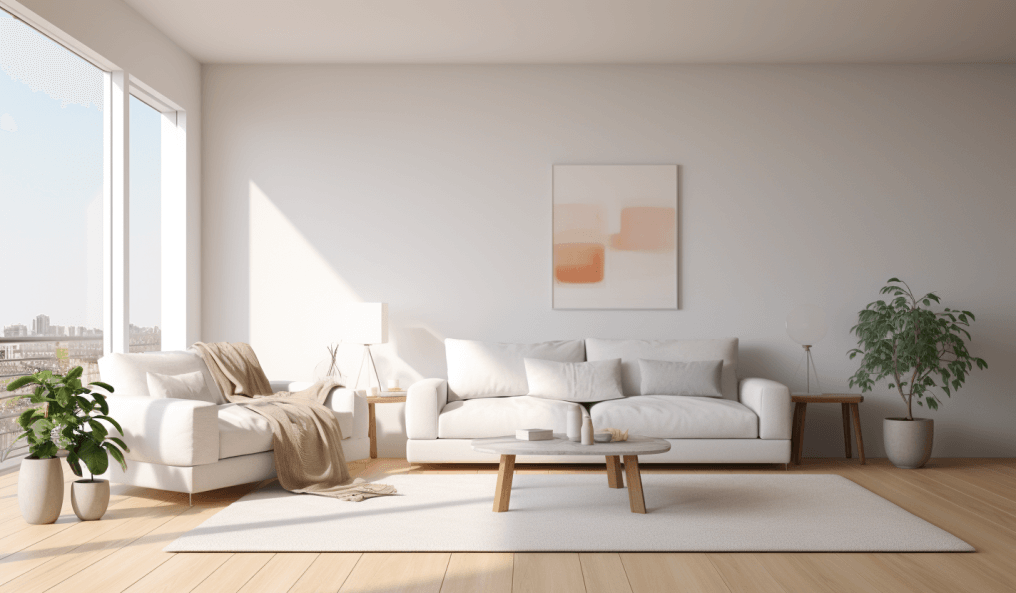
Minimalism, previously regarded a radical lifestyle, is gradually making its way into urban households, challenging the unrelenting speed of modern culture and requiring a rethinking of value, space, and fulfillment.
Kenya is not officially a minimalist country, yet many Kenyans adopt minimalism based on economic realities rather than personal preferences. With rising basic goods prices, limited disposable income, and an emphasis on critical spending, households naturally choose necessities above wants.
At the same time, an increasing number of young urban Kenyans are adopting purposeful minimalism, influenced by global trends, environmental concerns, and a desire for financial security.
Even without formal adoption, this combination fosters a natural tendency toward minimalist conduct.
The Rise of Consumer Culture
Consumer culture in Kenya’s major cities has grown significantly in the last decade. A combination of economic progress, more access to worldwide brands, and the spread of shopping malls has resulted in a culture in which purchasing is more than just a necessity, it is also a statement of identity.
Key drivers are:
E-Commerce Platforms: Products are now more accessible thanks to websites and applications, which promote frequent purchases without having to leave the house.
Shopping malls and Retail Expansion: A variety of foreign brands are available in contemporary malls in places like Nairobi and Mombasa, making it simple for customers to obtain fast fashion and luxury goods.
Flashy Advertisement: The “must-have” lifestyle is continuously emphasized by billboards, TV commercials, and internet campaigns, which present things as markers of achievement.
Social Media Pressure: Instagram and TikTok elevate the desire to “keep up appearances,” with specific curated feeds featuring peers displaying new devices, fashion, and home decor.
The newest smartphone, high-end clothing, or an Instagram-worthy residence are some of the items that many young Kenyans use to gauge their status.
This atmosphere promotes consumption that goes beyond necessities and cultivates the idea that one’s worth is correlated with possessions.
Minimalism as a Response
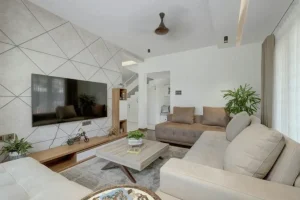
Kenya’s difficult financial situation encourages the country’s trend to a minimalist attitude. Both homeowners and developers are pushing harder for affordability. Pre-fitted storage and standardized, open-plan living reduce the expense of custom fixtures. Less material is needed for smaller, cleaner bathrooms.
Intentional Lifestyle Choices: Apart from a dire need, some urban Kenyans are intentionally embracing minimalism for sustainability, financial stability, and personal clarity.
This involves eliminating needless purchases, limiting exposure to consumerist social media material, and focusing on experiences rather than stuff.
High Rent and Housing Cost: Urban flats in places like Nairobi are frequently tiny, making it difficult to gather and store extra commodities.
Residents are learning to live with only what they need, transforming limited space into a chance to simplify their lives.
Mental Health and Decluttering: Stress, worry, and a sense of overload are all made worse by cluttered areas.
Organizing living areas and cutting less on belongings are becoming more widely recognized as tools for mental health.
In an otherwise hectic and consumption-focused setting, intentional simplicity provides a sense of control.
In Kenya, minimalism is at a combination of choice and need, influenced by both increased knowledge of mindful living and economic challenges.
For some, it’s just a sensible reaction to scarce resources and urban limitations, but for others, it’s a conscious way of life.
The issue yet stands, is choosing less a true route to freedom in a culture that is fixated on material belongings, or is it just another means of maintaining one’s image?