

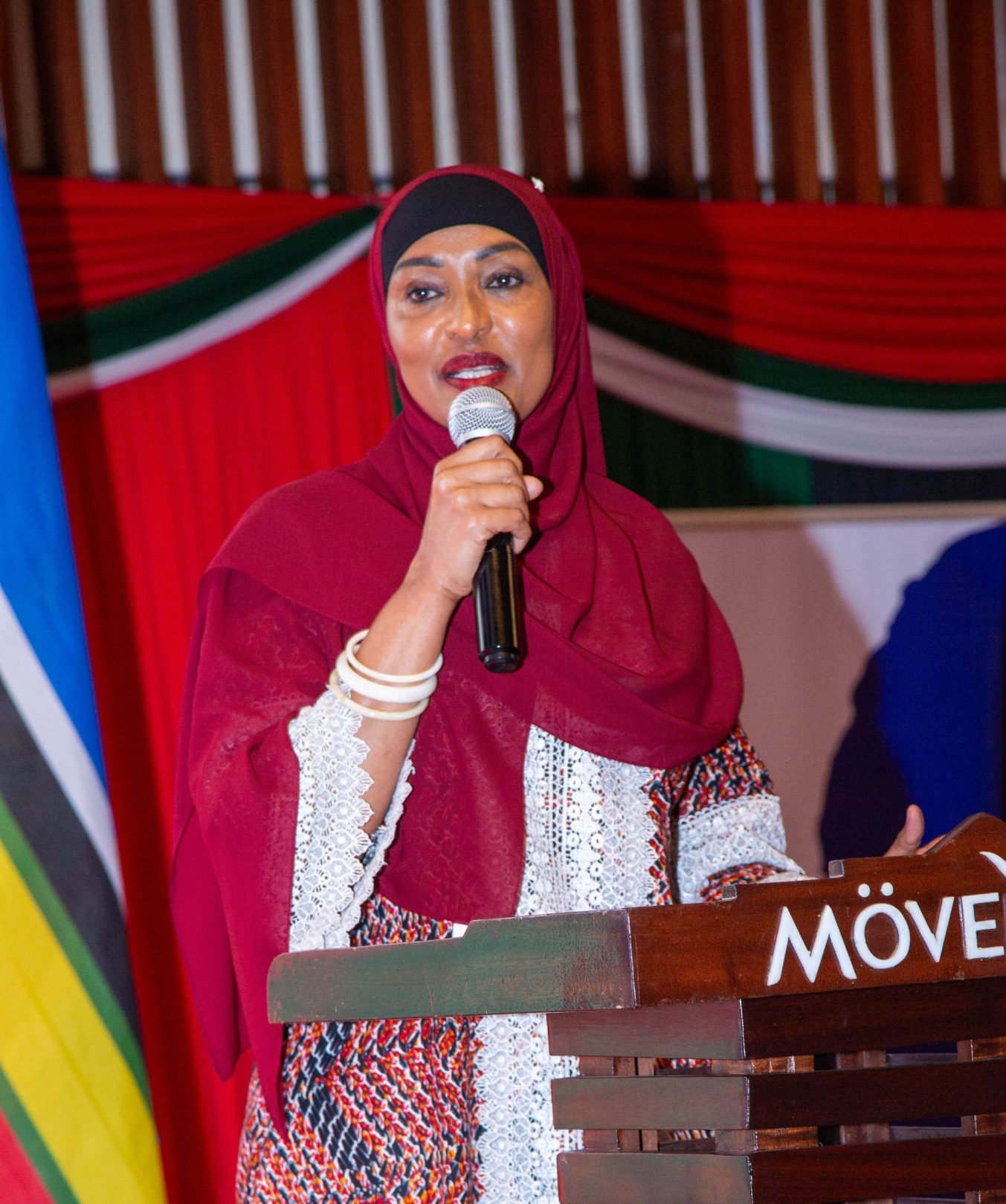
The National Gender and Equality Commission (NGEC) marked the 2026 Day of the African Child with a call for accelerated investment in water, sanitation and hygiene (WASH) services for children, warning that persistent inequalities continue to undermine health, dignity, education outcomes and development outcomes across Kenya and Africa.
NGEC Chairperson Rehema Jaldesa, said that access to clean water and sanitation is a fundamental child right under international and national law.
Under the 2026 theme, “Ensuring universal access to water, sanitation, and hygiene for every child in Africa,” NGEC stressed that WASH remains central to child survival and development.
The Commission cited the UN Convention on the Rights of the Child, Sustainable Development Goal 6, and the African Charter on the Rights and Welfare of the Child as key frameworks obligating states to guarantee safe water, sanitation, and hygiene for all children.
Constitutional and Policy Guarantees in Kenya
In Kenya, the Commission underscored constitutional guarantees under Article 43 on the right to clean and safe water and sanitation, alongside protections in the Children Act 2022 and the Vision 2030 development framework, all of which prioritise the best interests of the child in public service delivery and governance.
Despite policy and infrastructure gains, NGEC highlighted persistent inequalities in access. According to the 2022 Kenya Demographic and Health Survey, about 68% of the population has access to basic drinking water, while sanitation coverage stands at approximately 41%, with only about half of households having basic handwashing facilities.
Vulnerable Children Disproportionately Affected
Children in marginalized settings including girls, children with disabilities, those in ASAL regions, informal settlements, refugee communities, and street-connected children face heightened risks due to inadequate infrastructure.
Climate shocks such as droughts and floods further disrupt services, worsening health, safety, and dignity concerns.
NGEC called for coordinated action across government and partners, urging prioritisation of school WASH infrastructure, disability-inclusive sanitation, increased financing, stronger accountability systems, and improved maintenance of facilities, particularly for vulnerable children.