


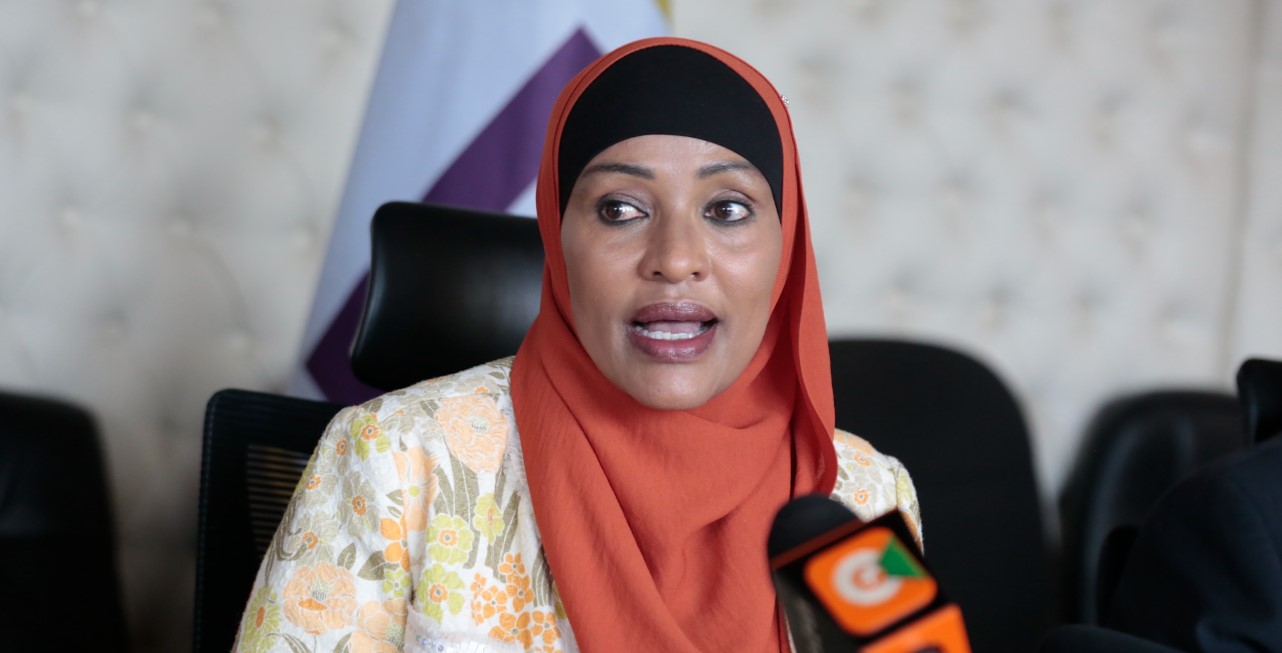
The National Gender and Equality Commission (NGEC) has expressed deep concern over remarks made by Senator Karen Nyamu directed at a young female student participating in the School Voluntary Service Scheme during Senate proceedings.
The Commission strongly condemns any conduct, statements, or actions that undermine the dignity, psychological well-being, safety, and best interests of children within public institutions and leadership spaces.
Children are entitled to dignity, protection, and respect at all times as guaranteed under Article 53 of the Constitution of Kenya, 2010, the Children Act, 2022, and international human rights instruments ratified by Kenya, which collectively set binding standards for child protection and welfare.
Public institutions, particularly constitutional institutions such as Parliament, have a heightened obligation to uphold these protections and demonstrate leadership grounded in integrity, professionalism, equality, and non-discrimination in all public decision-making and engagement with children.
Public Concern and Leadership Accountability
The Commission observes that Senator Karen Nyamu’s words have sparked widespread public concern and renewed vital national discussions about child safety, ethical leadership, gender-sensitive communication, and public office responsibility.
The language used by leaders conveys institutional power and influence in influencing public perception and institutional culture. Remarks that subject children to shame, embarrassment, objectification, mockery, or psychological harm violate the national values and governance principles stated in Article 10 of the Constitution, as well as public leadership standards.
The Commission emphasizes that the dignity and best interests of the child must remain paramount in every matter affecting children at all times without exception.
Psychological safety is an important aspect of child protection and safeguarding procedures within child protection systems. In public speech, especially from state officials and public leaders, improper innuendo, gendered humiliation, or action that degrades the dignity of girls and young women must never be normalized.

Institutional Responsibility and Ethical Standards
While the Commission acknowledges the apology issued on the floor of the Senate, it reiterates that safeguarding children requires more than procedural compliance and institutional practice.
Public institutions must strengthen accountability measures, reinforce ethical leadership standards, and cultivate institutional cultures that promote respectful engagement with children and youth and institutional resilience building and procedural adherence across the public sector ecosystem.
The Commission further urges all leaders to exercise responsibility, professionalism, and respect in public communication, recognizing that their words shape societal attitudes and institutional culture.