


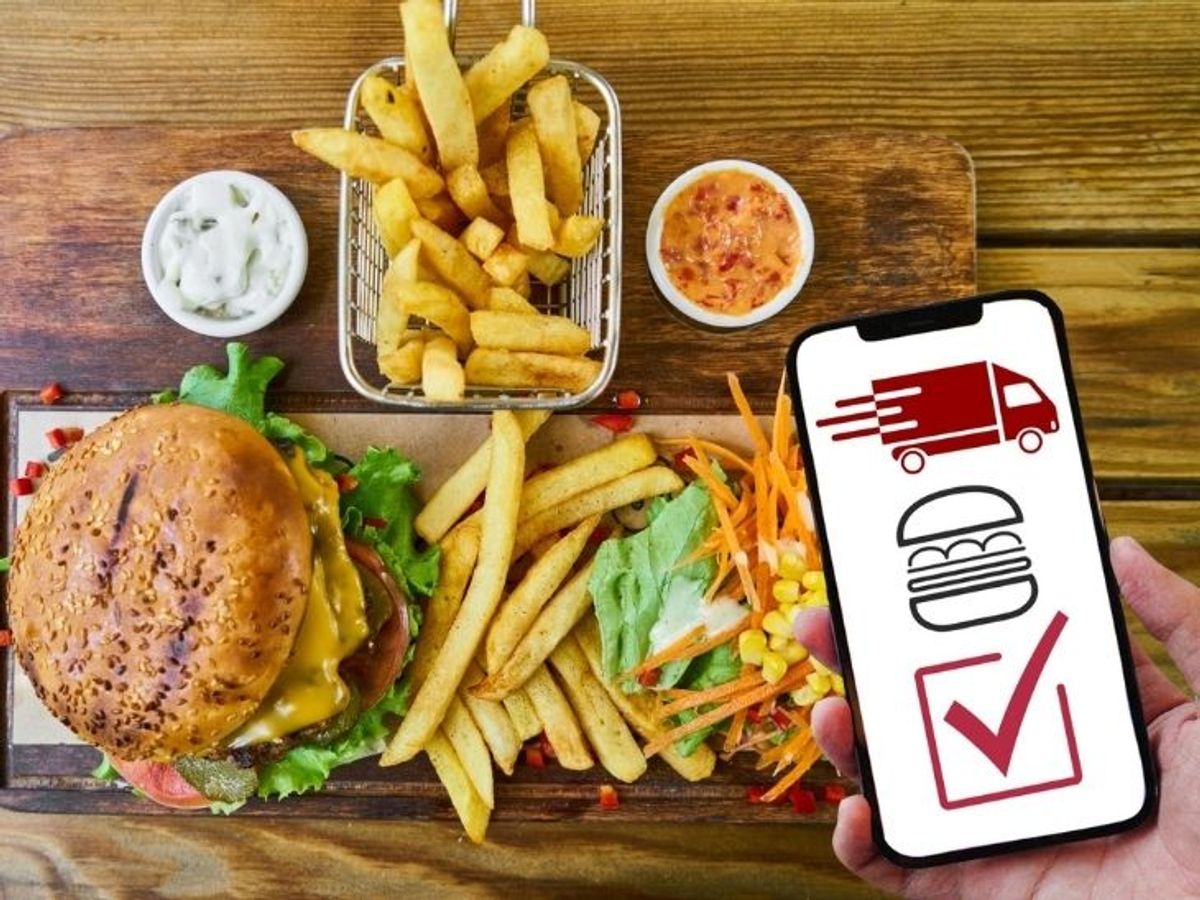
Nothing drains the energy out of a long day quite like getting home and still having to decide what to eat for dinner.
Food delivery apps such as Glovo, Uber Eats, Food Chow, Jumia Food, and Yum Delivery have quietly reshaped this daily dilemma, replacing meal planning with instant access to a wide range of restaurants at the tap of a screen.
Growth of Online Food Delivery Apps
Food delivery apps have transformed how people access meals, turning restaurants into on-demand services accessible through smartphones.
Uber Eats
Uber Eats, launched by Uber Technologies, has become one of the most widely recognized food delivery platforms globally. Since expanding internationally, it has grown into a major player in urban food delivery, including operations in Nairobi.
Glovo
Glovo, founded in Europe, has expanded across several African cities, including Kenya. Unlike traditional food-only platforms, it operates on an “anything delivery” model, allowing users to order food, groceries, and other essentials from a single app. This flexibility has made it popular in fast-paced urban environments.
Jumia Food
Jumia Food, part of Jumia, has played a significant role in popularizing online food ordering across Africa. Its user-friendly interface and frequent promotions have encouraged wider adoption of digital food ordering, especially in major cities.
Food Chow
Food Chow is a growing local food delivery platform that connects users with nearby restaurants. It is often associated with affordability and accessibility, offering smaller eateries a digital space to reach customers without relying on large international platforms.
Yum Delivery
Yum Delivery is a Nairobi-based food delivery service designed to connect users with restaurants and retail stores. It focuses on convenience and variety, offering multiple payment options and aiming to simplify the process of ordering food within the city.
How Food Delivery Apps Are Transforming Eating Habits
While these platforms have made food more accessible, they are also reshaping how people eat, when they eat, and what they choose to consume.
Unprecedented Convenience: Food delivery apps have simplified access to meals by allowing users to order food within seconds and receive it without cooking or traveling. This convenience has made food delivery a default option for many urban residents, especially during busy workdays or late hours.
The End of the “Dinner Routine”: Traditional structured meal times, particularly family dinners, are increasingly being replaced by irregular eating patterns. With food available on demand, many people now eat at different times.
The Growth of Ghost Kitchens: Ghost kitchens, also known as cloud or virtual kitchens, operate without physical dine-in spaces and focus solely on delivery orders. This model has expanded alongside food delivery apps, reducing operational costs for businesses while increasing the variety of food options available to consumers.
Environmental Considerations: The rise of food delivery has also contributed to increased use of packaging materials such as plastic containers, bags, and cutlery. At the same time, more delivery trips raise concerns about carbon emissions and the environmental sustainability of on-demand food systems.
Changing Meal Patterns
Food delivery apps have contributed to more irregular eating habits, where meals are no longer structured around traditional schedules. Many users now rely on late-night ordering after work or study sessions, while others frequently skip meals such as breakfast or avoid cooking altogether due to the ease of ordering food.
There has also been a noticeable shift in food preferences, with increased consumption of fast food, fried meals, and sugary drinks ordered through delivery platforms. This trend is gradually replacing home-cooked, balanced meals, which often require more time and planning.
Food delivery apps have significantly transformed modern eating by making food more accessible, faster, and closely tied to digital convenience. They have influenced not only what people eat, but also how often and when meals are consumed, gradually reshaping traditional eating patterns.
However, this shift goes beyond convenience. It reflects a broader lifestyle change in which speed, algorithms, and instant access increasingly shape everyday decisions. As this trend continues to grow, it raises an important question about the long-term balance between convenience and wellbeing.