

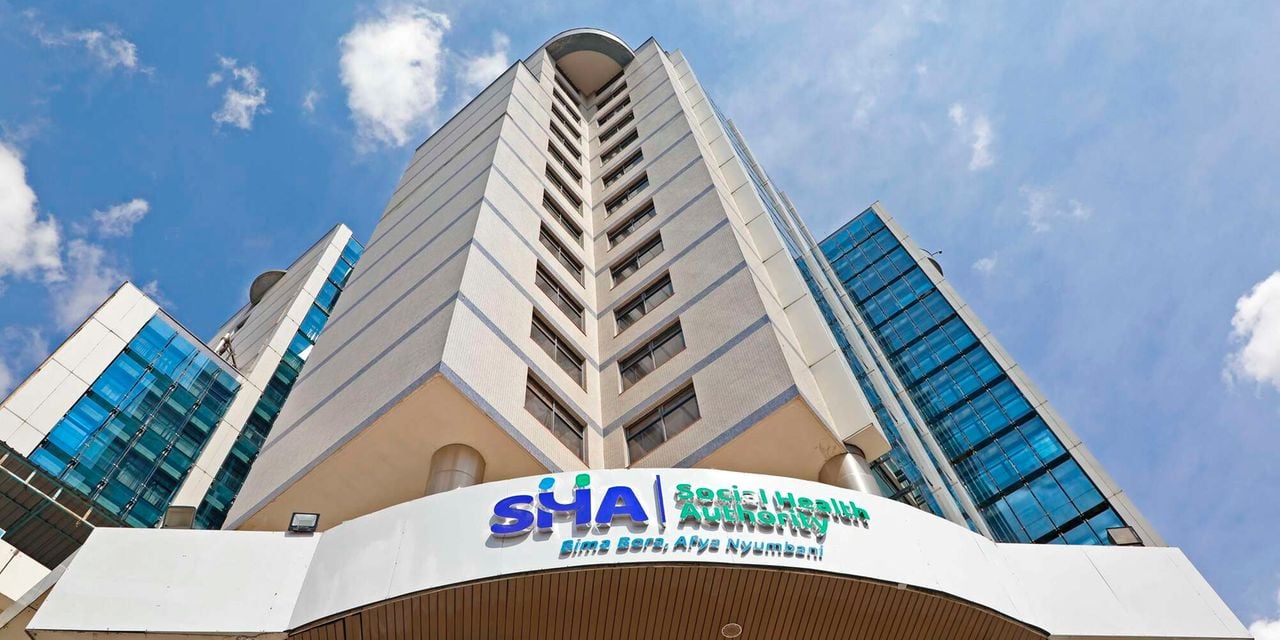
The Social Health Authority (SHA), Teachers Service Commission (TSC) and the Ministry of Health have reached a joint agreement aimed at resolving operational challenges affecting the teachers’ medical scheme under the Public Officers Medical Scheme Fund.
The decision was issued during a consultative conference held to address concerns about the transfer of the Mwalimu Cover to the new framework. The parties reiterated their commitment to protecting teachers’ health, dignity, and welfare, and agreed on a series of legally obligatory steps to restore smooth service delivery.
Benefit Administration Issues Resolved
A key outcome of the meeting was the resolution of three major benefit administration challenges that had disrupted access to medical services.
The Last Expense Benefit has now been streamlined, with a confirmed payout of KSh 300,000 upon the death of a principal member.
The initial 160 claims have already been processed, with payments to next of kin set for release starting April 29, 2026. This move is expected to ease financial burdens on bereaved families and restore confidence in the scheme.
In addition, an Ex-Gratia Management Framework has been fully institutionalized to support teachers facing catastrophic medical expenses beyond standard limits. Under this arrangement, teachers can submit written requests for consideration. TSC will finance, verify, and route these requests, while SHA will process payments for accepted claims.
Overseas treatment has also been addressed, with SHA signing agreements with specialized facilities in Turkey, India, and Saudi Arabia.
Zero Co-Payment Policy and Expanded Access
To further improve service delivery, SHA confirmed that all contracted POMSF facilities will operate under a strict “walk-in, walk-out” model with zero co-payments. This means teachers will not incur out-of-pocket expenses at approved facilities once the contracting process is complete.
Following a four-week negotiating phase and tariff finalization, healthcare provider contracts will be awarded in stages. Only approved institutions that fulfill clinical and price criteria will be included in the network.
The provider network data shows a widespread countrywide distribution, with thousands of facilities dispersed throughout areas including as Central, Coast, Eastern, Nairobi, North Eastern, Rift Valley, Western, and Nyanza. This development is projected to improve accessibility and alleviate congestion in key cities.

Strengthened Dialogue and Local Dispute Resolution
To address ongoing concerns and ensure smooth implementation, the parties agreed to escalate dialogue through structured engagements.
A joint National Executive Council (NEC) meeting involving TSC, SHA, and KNUT leadership is scheduled for May 6th and 7th, 2026. The meeting will focus on resolving any remaining issues at the national level.
At the grassroots level, county-based TSC and KNUT structures have been reactivated. These committees will begin meeting within a week to handle operational challenges locally, reducing the need for teachers to seek assistance in Nairobi.
Transparency and Cost Control Measures
SHA also committed to regularly publishing and updating the list of contracted healthcare facilities to keep beneficiaries informed. This is intended to enhance transparency and empower teachers to make informed decisions about their care.
To safeguard the sustainability of the fund, strict cost containment measures will be implemented. These include routine claims audits, quarterly performance reviews, and ongoing network optimization. Only facilities that comply with established clinical standards and negotiated tariffs will remain contracted.