


The Kenya Wildlife Service (KWS) is increasing the use of technology in wildlife conservation by using drones to improve surveillance, animal monitoring, and operational efficiency within protected areas.
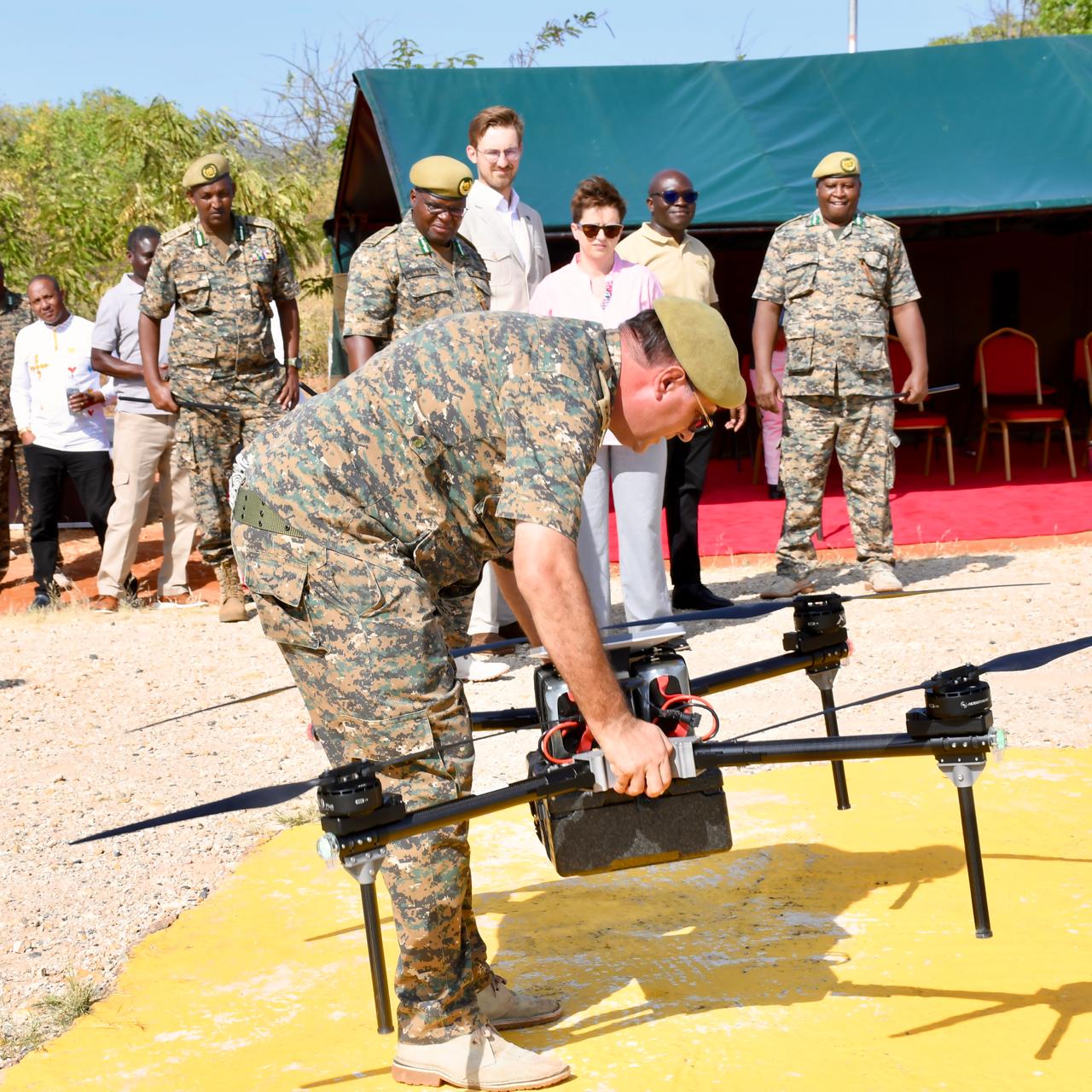
The project was presented at a practical demonstration at the Kenya Wildlife Service Law Enforcement Academy in Manyani.
The experiment was observed by the KWS senior management team, led by Director General Erustus Kanga, and carried out by KWS Airwing drone pilots.
The presentation underlined drones’ growing importance in conservation management, notably in the battle against poaching and illicit wildlife trading.
Strengthening Surveillance and Anti-Poaching Operations
According to KWS, the drone system is enhancing efforts to deter poaching and curb the bushmeat trade by improving aerial surveillance capabilities in remote and hard-to-access areas.
The technology allows rangers and conservation officers to monitor wildlife movement in real time while also tracking suspicious activities within protected ecosystems. This is expected to strengthen law enforcement responses and improve the safety of wildlife populations.
The drones are also being used to monitor key species such as elephants, which remain vulnerable to poaching and habitat-related threats.
By providing aerial intelligence, KWS can better coordinate ranger deployments and respond more quickly to emerging threats in national parks and reserves.
Improving Human-Wildlife Conflict Response
Beyond anti-poaching operations, KWS says the technology will play a critical role in addressing human-wildlife conflict, which continues to affect communities living near conservation areas.
Drones can help monitor animal movement near settlements, allowing officers to intervene early and reduce incidents involving elephants, predators, and other wildlife species.
The system is also expected to support evidence collection during wildlife crime investigations and prosecutions.
High-resolution aerial imagery and surveillance footage can provide critical evidence for law enforcement agencies handling environmental and wildlife-related crimes.
Cost Reduction and Operational Efficiency
KWS noted that the deployment of drones will help lower operational costs associated with aircraft operations and extensive ground patrols.
Compared to traditional aerial surveillance methods, drones offer a more flexible and cost-effective alternative while covering large conservation areas within a shorter time.
The agency says this will allow more strategic deployment of rangers and resources, improving overall efficiency in conservation operations.
The adoption of drones reflects a broader shift toward technology-driven conservation as agencies seek faster, smarter, and more sustainable ways to protect wildlife and ecosystems.