


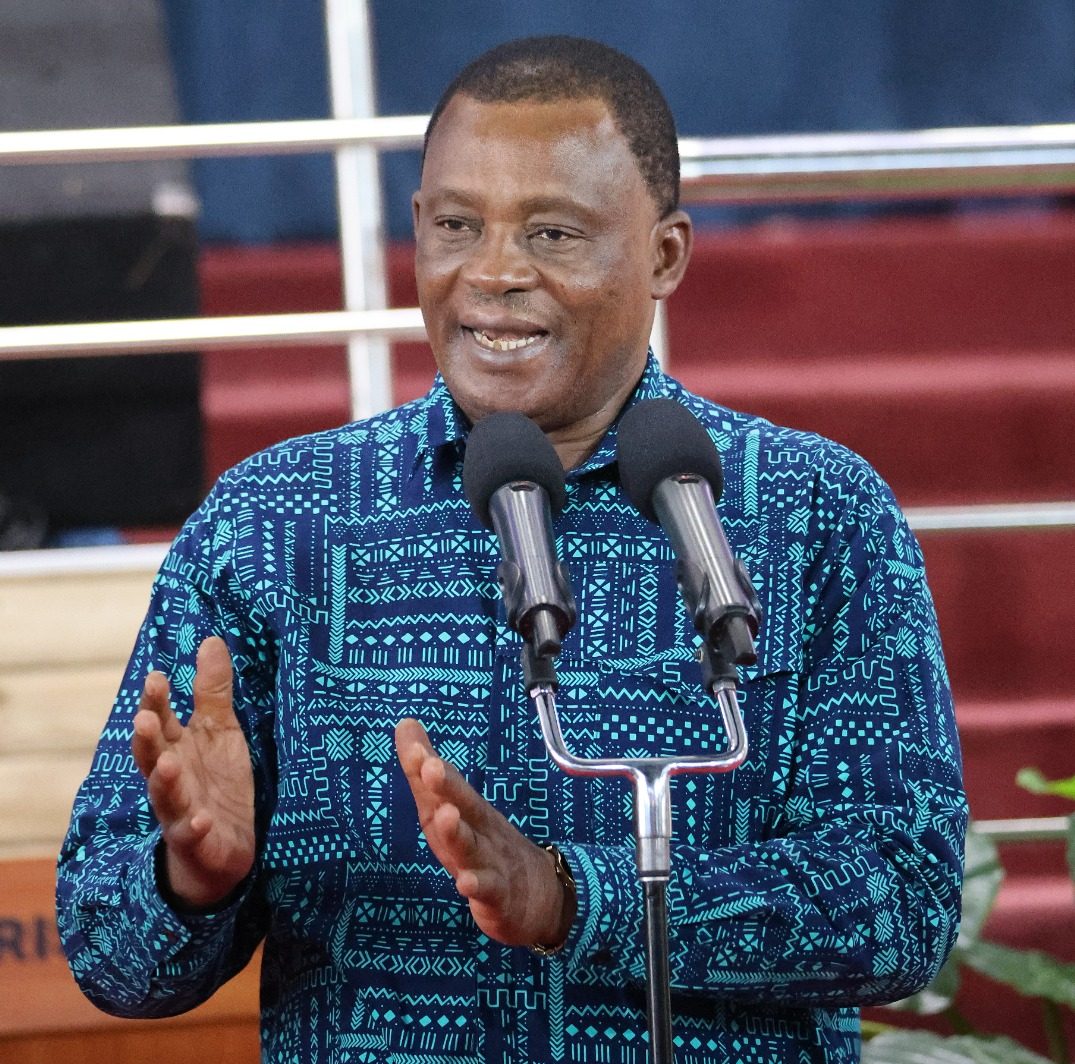
The Democratic Party of Kenya(DPK), has accused the Kenya Kwanza administration of misleading Kenyans over the rising cost of fuel and the broader cost-of-living crisis, arguing that domestic fiscal policies not global tensions alone are driving economic hardship.
In a statement issued by Party Leader Justin Muturi, the party said the government has continued to blame instability in the Middle East and disruptions around the Strait of Hormuz for high fuel prices while ignoring what it termed as “reckless fiscal management” at home.
The party argued that excessive taxation, opaque borrowing arrangements, and the securitization of future public revenues have placed an unsustainable burden on ordinary Kenyans.
Fuel Levy Structure Comes Under Scrutiny
At the center of the criticism is the Road Maintenance Levy Fund, where Kenyans currently pay KSh 25 per litre in fuel levies.
According to Muturi, KSh 12 from every litre has already been committed toward securing infrastructure bonds and financing arrangements through Special Purpose Vehicles (SPVs). The arrangements are said to have raised nearly KSh 300 billion upfront.
Justin Muturi claims that the structure effectively forces citizens to service long-term financial obligations created through off-book borrowing mechanisms that conceal the country’s actual debt exposure.
“This means wananchi are no longer simply paying for road maintenance,” Muturi said. “They are now servicing long-term financial obligations created through off-book borrowing structures that conceal the country’s true debt exposure from the public.” Muturi added.
Concerns Over Transparency and Accountability
The party further raised concerns over the continued securitization of fuel levy revenues.
It argued that mortgaging future tax revenues without sufficient public participation undermines transparency and prudent public finance management as envisioned under the Constitution.
The statement also criticized continued spending on road agencies such as Kenya Rural Roads Authority and Kenya Urban Roads Authority despite worsening economic conditions.
“Billions continue to flow into duplicated and procurement-heavy agencies such as KeRRA and KURA despite worsening economic hardship across the country,” added the Party Leader.
According to DPK, many urban and rural road functions are already substantially devolved, while Members of Parliament receive NG-CDF allocations capable of supporting local infrastructure projects.
Calls for Immediate Action
DPK is now calling for the immediate suspension and parliamentary review of all fuel levy securitization arrangements.
It also wants full public disclosure of all infrastructure bond agreements linked to fuel levy collections, a 50 percent reduction in the budgets of KeRRA and KURA, and a comprehensive audit of pending road contracts and contractor payments.
The party additionally urged the government to redirect spending toward food security, healthcare, job creation, and household economic relief.
“The government cannot continue blaming foreign conflicts while ignoring its own fiscal excesses and policy failures,” Justin Muturi said.