


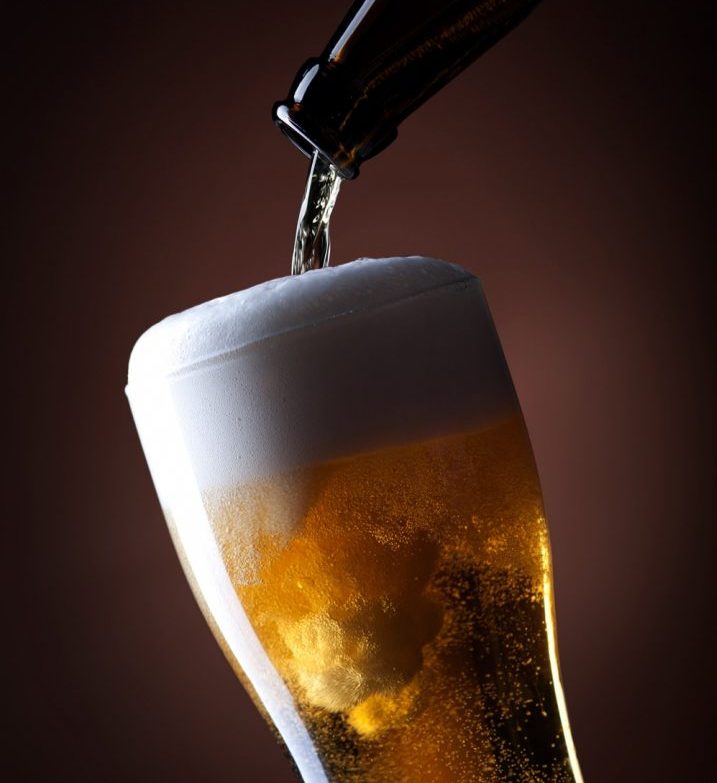
Draught beer is increasingly becoming part of a broader shift in how Nairobi consumers socialise, as more people move away from fast-paced nightlife toward slower, more intentional social experiences.
The change has become more visible in the years following the pandemic. While bars and entertainment spots have fully reopened, many consumers are now prioritising meaningful conversations, longer stays, and shared experiences over crowded nightlife routines.
Draught Beer Encourages Slower Social Experiences
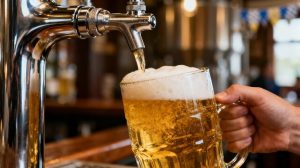
Unlike bottled beer, draught introduces a different rhythm to social settings. The process itself encourages people to slow down.
A chilled pitcher arrives at the table, glasses are carefully poured, and the experience becomes less about speed and more about connection.
The format has quietly transformed how groups interact during nights out. Rather than moving rapidly between venues, many consumers are choosing to settle into one location for longer periods, often gathering around shared tables, live sports screenings, or extended conversations.
This shift reflects changing social habits, particularly among younger urban consumers seeking more relaxed and authentic experiences.
Growing Preference for Shared and Premium Experiences
Across Nairobi, draught beer is increasingly appearing at social gatherings centred on conversation, sports viewing, and smaller group interactions.
The shared nature of a pitcher creates what many describe as a more communal environment compared to individually served drinks. Industry players say this trend is also linked to growing appreciation for product quality and experience.
Properly served draught beer delivers a fresher taste, balanced carbonation, and a colder serving temperature, elements that consumers are becoming more conscious of when choosing where and how they spend their evenings.
White Cap Draught has emerged as one of the products benefiting from this shift, particularly within outlets targeting consumers looking for premium yet relaxed social settings.
Its growing presence in select bars and restaurants reflects a broader consumer preference for experiences that feel more deliberate and less transactional.
A Shift Toward More Meaningful Social Occasions
The pandemic also played a role in reshaping priorities. After extended periods of isolation, many consumers returned to social spaces seeking genuine interaction rather than performative nightlife experiences.
As a result, occasions built around conversation and shared moments are increasingly replacing fast-moving nights centred on multiple venues and loud environments.
For many consumers, a pitcher of draught beer now represents more than just a drink choice. It reflects a social culture that values staying present, lingering longer, and making evenings feel more meaningful.
That cultural shift is gradually redefining what modern social occasions look like across Nairobi’s hospitality scene.