


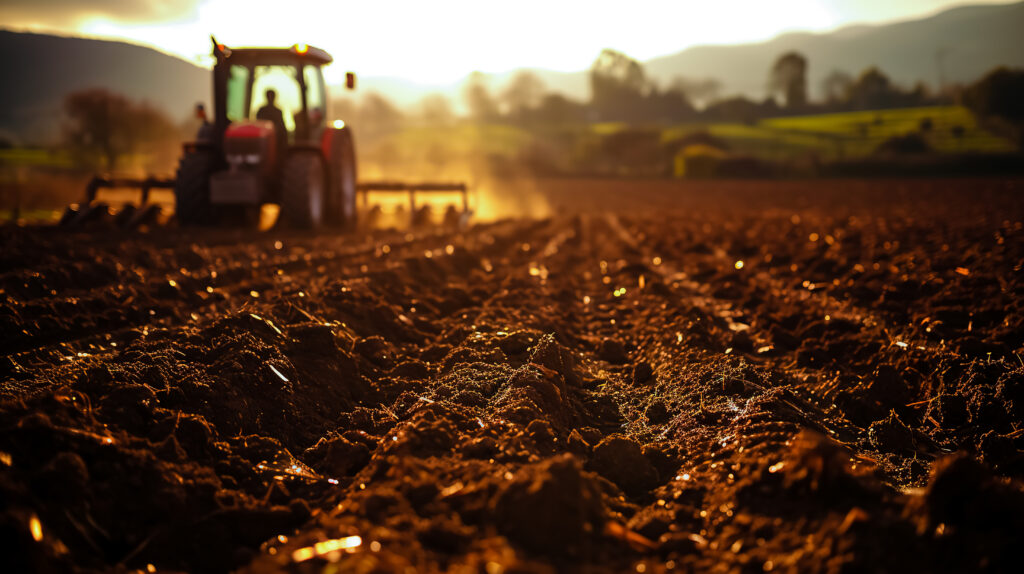
As unpredictable seasons and drying water sources reshape rural fields, farming households and young growers are rewriting the rules of work, adaptation, and survival on the land.
At dawn across many rural communities, the familiar rhythm of oxen turning fresh soil has grown noticeably quieter. Dry riverbeds, cracked topsoil, and delayed rains have forced an uneasy pause. When consecutive planting cycles fail or barely cover input costs, setting the plough aside stops looking like surrender and begins looking like survival.
Shifting Rains and Cash Realities Drive the Pause
For decades, rain-fed smallholder agriculture anchored household food security and rural commerce. Today, prolonged dry spells punctuated by destructive downpours have disrupted planting windows and depleted shallow wells.
Faced with rising input prices and scarce cash, many households are reallocating labor toward quicker income petty trade, casual transport, brick-making, or seasonal wage work to cover school fees and daily meals.
When fields sit uncultivated across a locality, the ripple effects widen. Local grain markets tighten, farm labor shrinks, and small agro-dealers and millers feel an immediate slowdown. Reduced harvests strain household nutrition, while adults chasing off-farm day labor leave less time for maintaining shared water pans and community self-help groups.
Rural Youth Turn To Practical Farm Innovations
Young people make up the largest demographic in rural areas, yet many enter adulthood without land titles, affordable credit, or a voice in agricultural planning. While migration toward cities remains a strong pull, a quieter counter-trend is taking root, young growers who stay are treating farming as a targeted, resource-conscious enterprise.
Across rural communities, they are adopting drought-tolerant and short-cycle crops, installing simple drip irrigation and farm ponds, pooling inputs through youth savings groups and digital price tools, and combining cultivation with poultry, nurseries, and fodder production.
Still, young innovators say institutional backing has failed to keep pace. Kenyan youth are calling on county and national governments to enact agroecology policies into law to promote sustainable farming and unlock climate-change funding.
Speaking during a youth entrepreneurship exhibition organized by Youth for Sustainable Development and Pillar, participants warned that young innovators remain excluded from formal planning.
“They are being sidelined. They are not being given the platform to express themselves or the opportunity to share their innovations.”
Bridging the gap between policy and field reality requires more than seasonal announcements it demands enforceable agroecology laws, timely inputs, water infrastructure, and a real seat at the table for rural youth.