

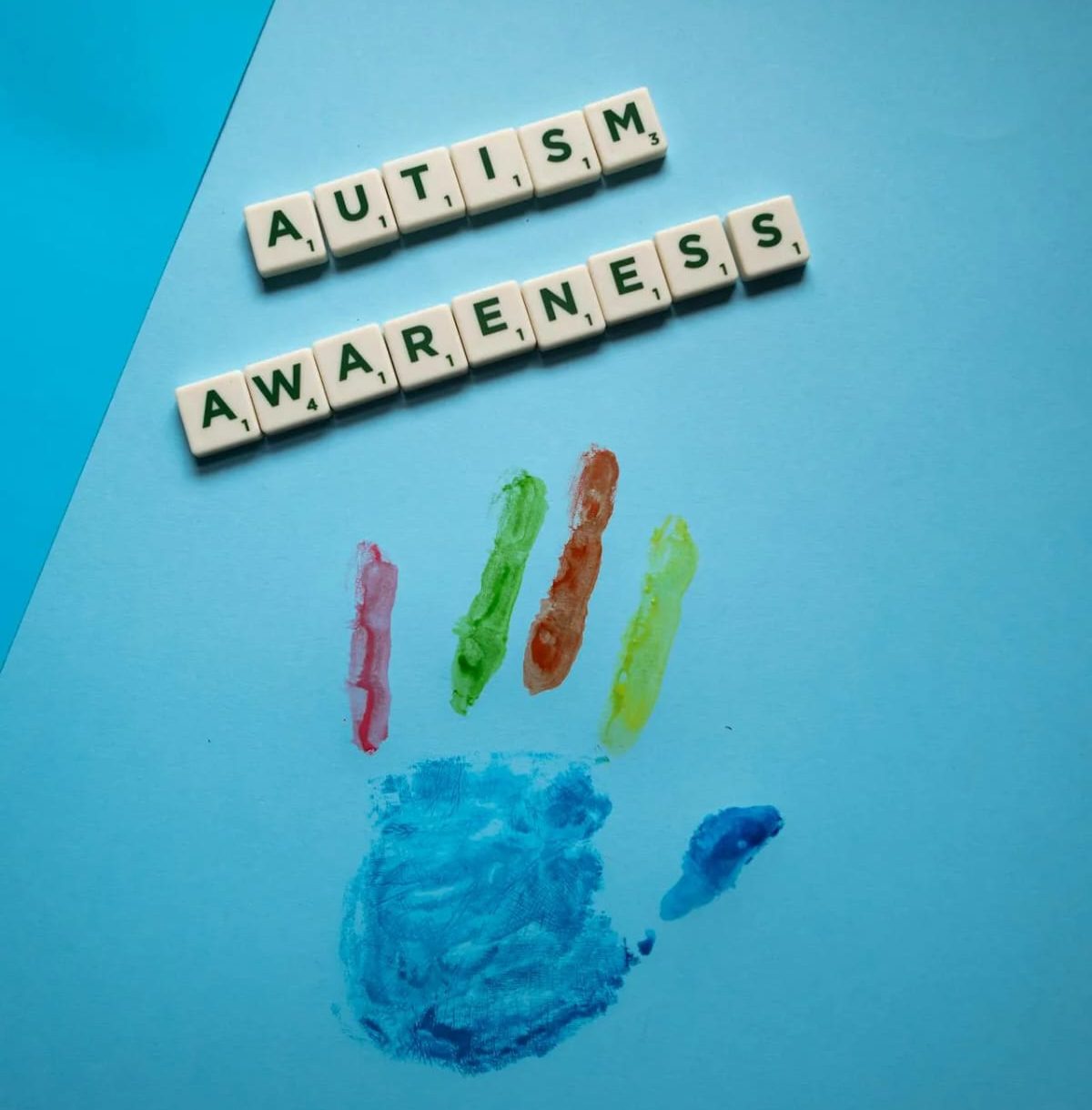
Every year, more children and people with autism are identified as members of a community that perceives the world differently. Despite these growing numbers, knowledge, awareness, and assistance frequently fall behind. How can we make sure that these people are included, supported, and empowered?
What Is Autism?
Autism is a neurological condition that causes a child to socialize and behave differently.
According to World Health Organisation (WHO), globally, “1 in 127 people is diagnosed with autism the abilities and needs of autistic people vary and can evolve over time.”
Autism often has an impact on education and employment opportunities. In addition, the demands on families providing care and support can be significant.
Every 2nd April, the World marks the World Autism Day, to raise global awareness, promote acceptance, and advocate for the rights, inclusion, and well-being of people with autism spectrum disorder (ASD)
What are the signs and symptoms of autism?
Social communication and interaction skills can be challenging for people with ASD. Examples of social communication and social interaction characteristics related to ASD can include,
Repetitive behaviours: Repeating actions, routines, or rituals, such as hand-flapping or arranging things.
Restricted Interests: Intense emphasis on certain topics or activities, frequently at the expense of other interests.
Communication challenges: Delayed speech, an odd tone, repeated vocabulary, or difficulty expressing needs and feelings.
Sensory Sensitivities: Over or underreaction to noises, lights, textures, or other sensory stimuli.
Difficulty with social interaction: Difficulties in understanding social signs, developing friends, and continuing discussions.
Other characteristics
Most people with ASD have other related characteristics. These might include
~ Delayed language skills
~ Delayed movement skills
~ Delayed cognitive or learning skills
~ Hyperactive, impulsive, and/or inattentive behavior
~ Epilepsy or seizure disorder
~ Unusual eating and sleeping habits
What causes autism?
Genetics and some aspects of pregnancy, labor, and delivery are likely to combine. These things could be referred to as “environmental factors” or “prenatal events.” These elements all combine to cause the brain problems seen in autism.
Reduced oxygen to the fetus during pregnancy or delivery
Giving Birth early
Becoming pregnant over 35 years
Becoming pregnant within 12 months of having another baby
Having gestational diabetes
Smaller-than-expected fetal size
Challenges Faced
Individuals on the autistic spectrum frequently face significant challenges in daily life. Education, employment, and social inclusion might be especially difficult since standard education systems and companies may not always suit their individual learning styles or communication requirements.
This might limit prospects for personal and professional development, necessitating guidance and understanding from instructors, employers, and peers.
Stigma and prejudice remain significant barriers. Misconceptions about autism might result in social isolation, bullying, or exclusion from community events.
Families and individuals may suffer criticism or misunderstanding, affecting their confidence, mental health, and access to services.
Support and Resources
Individuals with autism can benefit from several types of support to help them live fulfilled lives. Speech and occupational therapy, social skills training, and peer networks are examples of therapies, treatments, and support groups that give important assistance.
These materials not only assist in the development of practical skills, but they also foster a sense of understanding and acceptance among individuals.
Policies and government efforts have an important role in increasing access to education, healthcare, and job opportunities. Effective legislation, funding for specialist programs, and public awareness campaigns may all assist to close gaps, promote inclusion, and ensure that autistic people have the support they require to thrive.
Increased understanding and compassion are required to create a society that supports those on the autism spectrum. Communities may assist autistic people thrive by raising awareness, fostering inclusive education and workplaces, and putting in place appropriate legislation.