


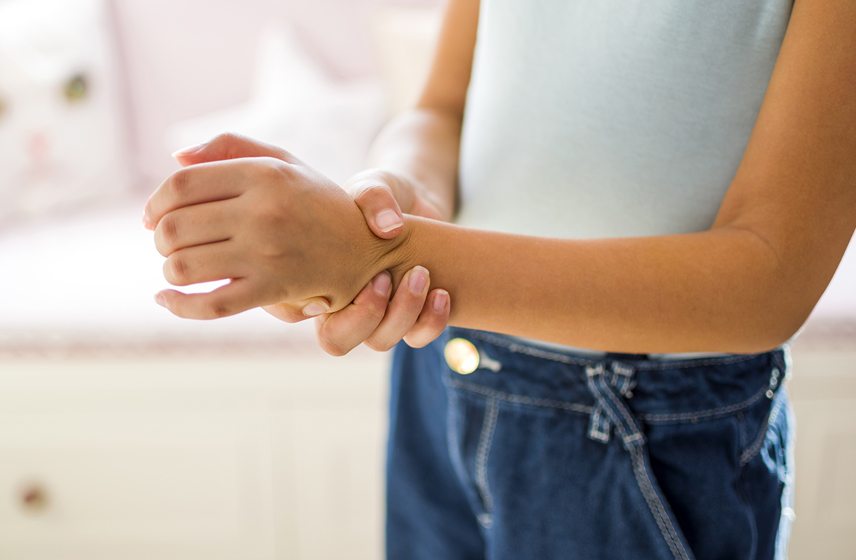
Confronting Juvenile Arthritis in Children
Living in the twenty-first century means facing an increasing number of diseases and disorders that threaten human health. Every year, thousands of children are diagnosed with conditions that affect their physical, mental, and emotional well-being.
These illnesses often take away the carefree joy of childhood, replacing playtime with hospital visits and constant treatment.
Children face many health challenges today, including eating disorders, cancer, endometriosis, and schizophrenia. However, one condition that often goes unnoticed is juvenile arthritis, a disease that robs children of their ability to move, play, and grow freely.
Understanding Juvenile Arthritis
Many people believe arthritis only affects older adults. However, it can also strike children at a very young age. Juvenile arthritis affects less than 1% of children worldwide, about 3 million cases globally, with girls more likely to suffer than boys.
Because the disease is rare, parents and guardians may mistake it for another condition, delaying proper treatment.
Children under the age of 16 are the most affected. In severe cases, juvenile arthritis can lead to growth problems, joint damage, or eye inflammation. Early detection and treatment are crucial to prevent long-term complications.

Recognizing the Signs and Symptoms
Common symptoms of juvenile arthritis include:
-
Pain: Your child may limp, especially in the morning or after a nap.
-
Swelling: The joints, particularly larger ones like the knees, may appear swollen.
-
Stiffness: Children may seem clumsier than usual, particularly after waking up.
-
Fever and rash: Some children experience high fever, swollen lymph nodes, or a rash that worsens in the evening.
When these symptoms appear, parents should seek medical attention immediately. Early action can make a significant difference in managing the disease.
Managing Juvenile Arthritis
Treatment for juvenile arthritis often combines medication, physical therapy, and lifestyle adjustments. These help relieve pain, maintain mobility, and improve quality of life.
Raising awareness is equally important. Parents, teachers, and caregivers should learn more about juvenile arthritis through articles, social media, and health programs. Knowing the symptoms and available treatments can help children get care sooner.
Following prescribed medication and therapy consistently plays a vital role in controlling the condition. With proper management, many children can lead active, healthy lives.
A Call to Action
Every child deserves a healthy and happy childhood. By spreading awareness and supporting early diagnosis, we can protect children from the long-term effects of juvenile arthritis. Together, we can fight for a future where every child grows, plays, and lives free from pain.