

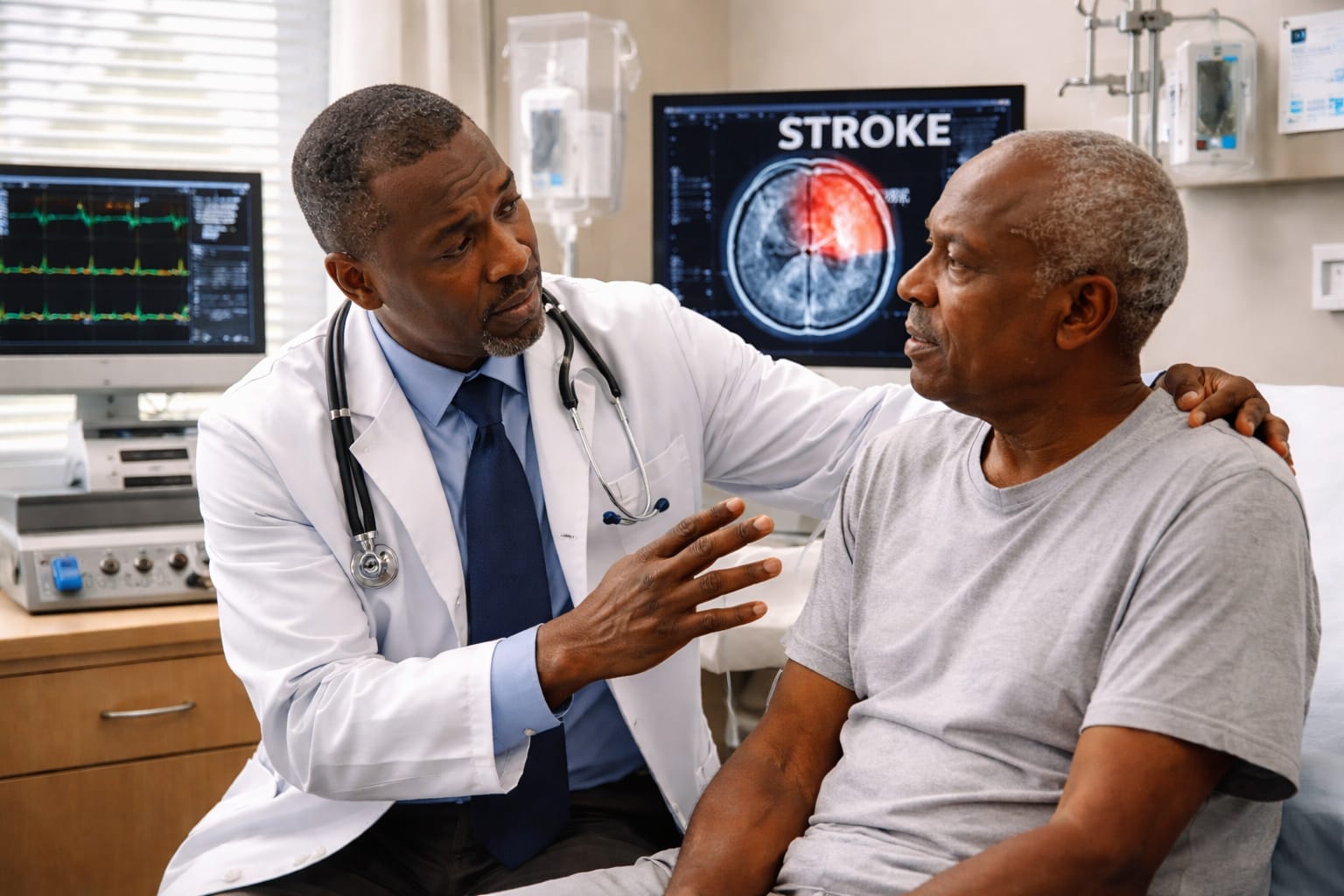
It occurs abruptly with a drooping face, a weak arm, and slurred speech, typical symptoms of a stroke. Within minutes, the illness may deprive a person of the ability to speak, move, or even survive.
Despite the seriousness, many people overlook the early warning signs, wasting valuable time that might mean the difference between recovery and lasting harm.
Understanding Stroke
A stroke is a medical emergency that occurs when something prevents the brain from receiving adequate blood flow. A blocked blood artery or bleeding in the brain can cause a stroke.
Medical professionals sometimes refer to strokes as cerebrovascular accidents (CVAs).
Statistics by the World Health Organization (WHO) show that in 2021 alone, stroke was the third leading cause of death and disability globally, with an estimated 93.8 million cases.
The lifetime risk of stroke has increased by 50% over the past 20 years, with 1 in 4 adults predicted to experience a stroke in their lifetime.
What Are the Stroke Symptoms?
Early detection of stroke symptoms can mean the difference between survival, recovery, and long-term impairment.
Aphasia: This involves problems with speaking, understanding, reading, and writing. A person may struggle to find the correct words or misunderstand what others are saying.
Neck stiffness: A sudden stiffness or soreness in the neck can develop, particularly in some forms of stroke that involve brain hemorrhage. It may be associated with a severe headache.
Slurred or garbled speaking (dysarthria): Speech may become unclear, slow, or difficult to comprehend as a result of weakness in the muscles used for speaking.
Blurred vision: A stroke may result in sudden double vision, blurred vision, or even blindness in one or both eyes.
Coma: In extreme situations, serious brain injury may cause a person to lose consciousness entirely and become unresponsive.
Stroke Causes and Risk Factors
There are two main causes of stroke: ischemic and hemorrhagic stroke. Some people may have only a temporary disruption of blood flow to the brain, known as a transient ischemic attack (TIA). A TIA does not cause lasting symptoms.
Ischemic stroke: This is the most common form, which occurs when a blood vessel supplying the brain becomes blocked, generally due to a blood clot or fatty deposits. The obstruction stops oxygen and nutrients from reaching brain cells, which begin to die within minutes.
Hemorrhagic stroke: This type occurs when a blood vessel in the brain leaks or bursts, causing bleeding within or around the brain. The pressure from the bleeding causes brain tissue damage and disrupts normal blood flow.
The Risk Factors
Modifiable Risk Factors
These are risk factors that individuals can control or manage through lifestyle changes and medical care:
Hypertension (high blood pressure): This is the major risk factor for stroke because it increases pressure on blood vessel walls, making them more prone to blockage or rupture.
Tobacco use: Smoking damages blood vessels, raises blood pressure, and reduces oxygen in the blood, significantly increasing the risk of stroke.
High blood cholesterol: Excess cholesterol in blood vessels can form plaques, narrowing or blocking arteries that supply the brain.
Diabetes mellitus: High blood sugar levels over time damage blood vessels and increase the likelihood of clot formation, resulting in stroke.
Overweight and obesity: Excess body weight has been linked to conditions such as hypertension, diabetes, and high cholesterol, all of which increase the risk of stroke.

Non-Modifiable Risk Factors
Age, prior stroke, and preexisting cardiac conditions.
Prevention
Individuals who address important risk factors early in life can greatly minimize their chances of developing this life-threatening condition.
- Improving indoor and outdoor air quality.
- Controlling high blood pressure through a healthy lifestyle and appropriate antihypertensive treatment.
- Reducing tobacco use and limiting exposure to second-hand smoke.
- Adopting a healthy balanced diet, including at least five servings of fruits and vegetables daily, and reducing intake of salt, saturated fats, and sugar.
- Engaging in regular physical activity, aiming for at least 150 minutes of moderate-intensity exercise per week.
Stroke is a dangerous but largely preventable medical condition that requires increased awareness and prompt intervention. Individuals can safeguard their lives and reduce the devastating impact of stroke on families and communities by identifying the warning signs, minimizing risk factors, and seeking immediate medical care.