


More Than Décor: How Plants Support Mental Wellness
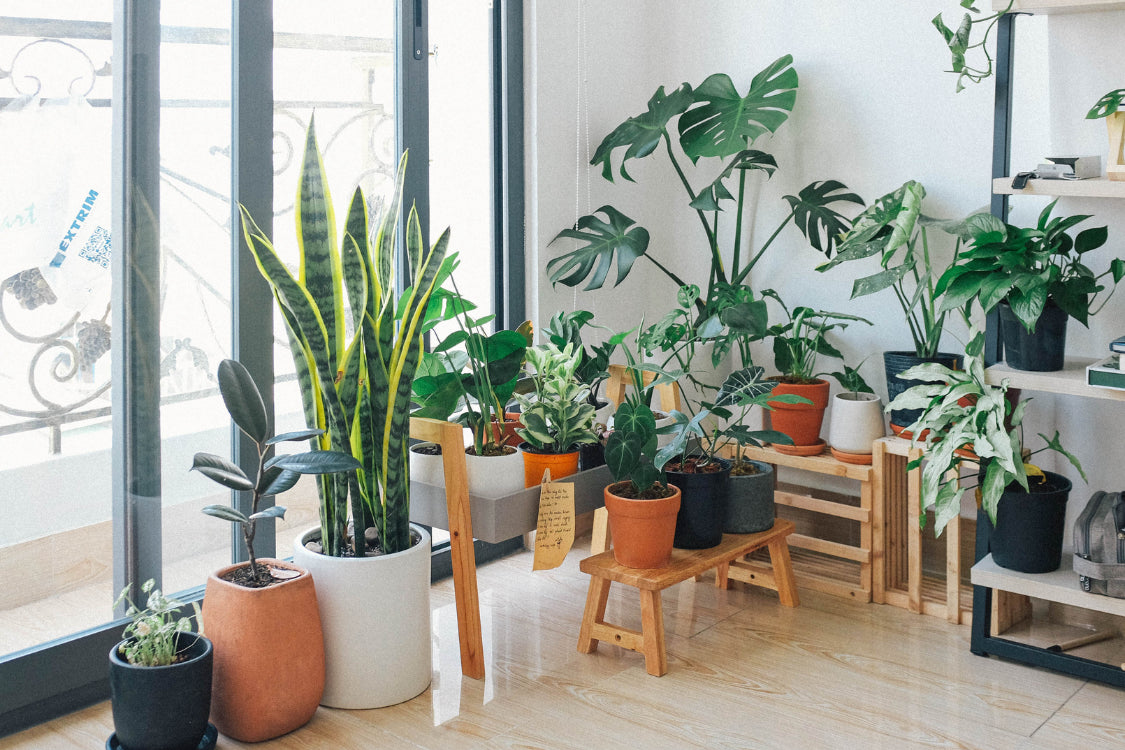
Plant parenting is becoming a way of life. More people now proudly display leafy companions in their homes, balconies, and offices. Social media is also filled with lush indoor jungles and blooming spaces.
But why has caring for plants become so popular? Beyond aesthetics, plant parenting offers real mental and emotional benefits.
Plants and flowers do more than decorate a space. They play a meaningful role in emotional well-being, productivity, and mental health.
Supporting the Well-Being of Seniors
For older adults, plants offer comfort, routine, and companionship. Caring for plants gives seniors a sense of purpose and structure in their daily lives.
As a result, feelings of loneliness and isolation often reduce. Studies also show that activities like gardening can lower blood pressure, improve mobility, and promote calmness.
Improving Emotional Health
Plants naturally lift moods. Their colours, textures, and scents create a peaceful atmosphere in any space.
Moreover, nurturing a living thing encourages emotional balance. The simple act of watering or pruning can bring fulfilment and emotional stability.
Research shows that working in plant-filled environments improves focus and creativity. Green spaces help people concentrate for longer periods.
In addition, workplaces with plants often report higher job satisfaction. Employees feel more inspired and connected in naturally designed settings.
Enhancing Memory and Concentration
Plants have both calming and energising effects on the brain. Spending time around greenery improves cognitive function and memory retention.
This happens because plants increase oxygen levels and reduce mental fatigue. As a result, the mind feels clearer and more alert.
Time spent with plants helps reduce stress. Their natural presence creates a calming environment after a long or demanding day.
Even brief moments, such as smelling a flower or tending to a leaf, can relax the nervous system and restore balance.
A Natural Form of Therapy
Plant care promotes mindfulness, patience, and emotional expression. Because of this, horticultural therapy is often used to support people dealing with anxiety, depression, or trauma.
Caring for a living thing encourages resilience. It also reminds people of growth, renewal, and healing.
While plant parenting is fulfilling, it is not always as perfect as it looks online. Behind those green Instagram feeds are fading leaves, stubborn pests, and occasional disappointment.
Even healthy plants can attract unwanted insects like aphids and spider mites. If unnoticed, these pests spread quickly.
Regular inspection of leaves and soil helps prevent infestations. Additionally, isolating new plants before adding them to your collection reduces risk.
Plant collections grow fast. Eventually, shelves and windowsills fill up.
To manage this, many plant parents share cuttings or gift plants to friends instead of buying more.
Feeling Overwhelmed
Managing different watering schedules and light needs can become stressful. At times, plant care may feel more like work than relaxation.
When this happens, downsizing or choosing low-maintenance plants can help restore balance.
Not all plants thrive under the same conditions. Some need bright light, while others prefer shade.
Learning these differences takes time. However, patience and observation make the process easier.
More Than a Hobby
Plant parenting goes beyond decoration or trend. It is a form of care that requires patience, consistency, and love.
Much like caring for pets, plants teach responsibility and mindfulness. Most importantly, they remind us of the beauty of growth, both in nature and within ourselves.