

The Silent Pregnancy Threat: Understanding the Dangers of Preeclampsia
Even while certain symptoms can initially appear minor, they may indicate major issues that need to be treated right once.
- Shortness of breathing
Shortness of breath can occur when extra fluid accumulates in the lungs as a result of elevated blood pressure caused by preeclampsia. This can make it difficult for a pregnant woman to breathe normally and may suggest that the illness is damaging her circulatory and organ systems.
- Dark spots form in your vision.
Seeing dark spots, flashes, or floaters may indicate that high blood pressure is disrupting blood flow to the eyes and brain. This symptom should not be overlooked because it may indicate worsening complications from preeclampsia.
- Headaches.
Women with preeclampsia frequently experience persistent or severe headaches due to high blood pressure, which can increase pressure in the brain.
- Blurred eyesight or light sensitivity.
High blood pressure affects the neurological system and blood vessels in the eyes, causing vision alterations such as blurred vision or sensitivity to bright light. These symptoms may suggest that the illness is becoming more serious.
- Pain on the upper right side of the abdomen
Preeclampsia-induced liver oedema or irritation may be the source of pain in the upper right abdomen. This discomfort might be intense or constant, and it is considered a serious warning indication.
- Swelling in the hands, ankles and face (edema)
Sudden swelling, particularly in the hands, face, and feet, occurs when the body stores excess fluid. While minor swelling is common during pregnancy, excessive or unexpected swelling may indicate preeclampsia and should be checked by a healthcare specialist.
The risk factors may include:
Family history of Preeclampsia
~ Maternal age under 20 or over 35
~ First Pregnancy
~ Chronic high blood pressure
~ Obesity
~ Diabetes
~ Autoimmune disorder
~ Kidney Disorder
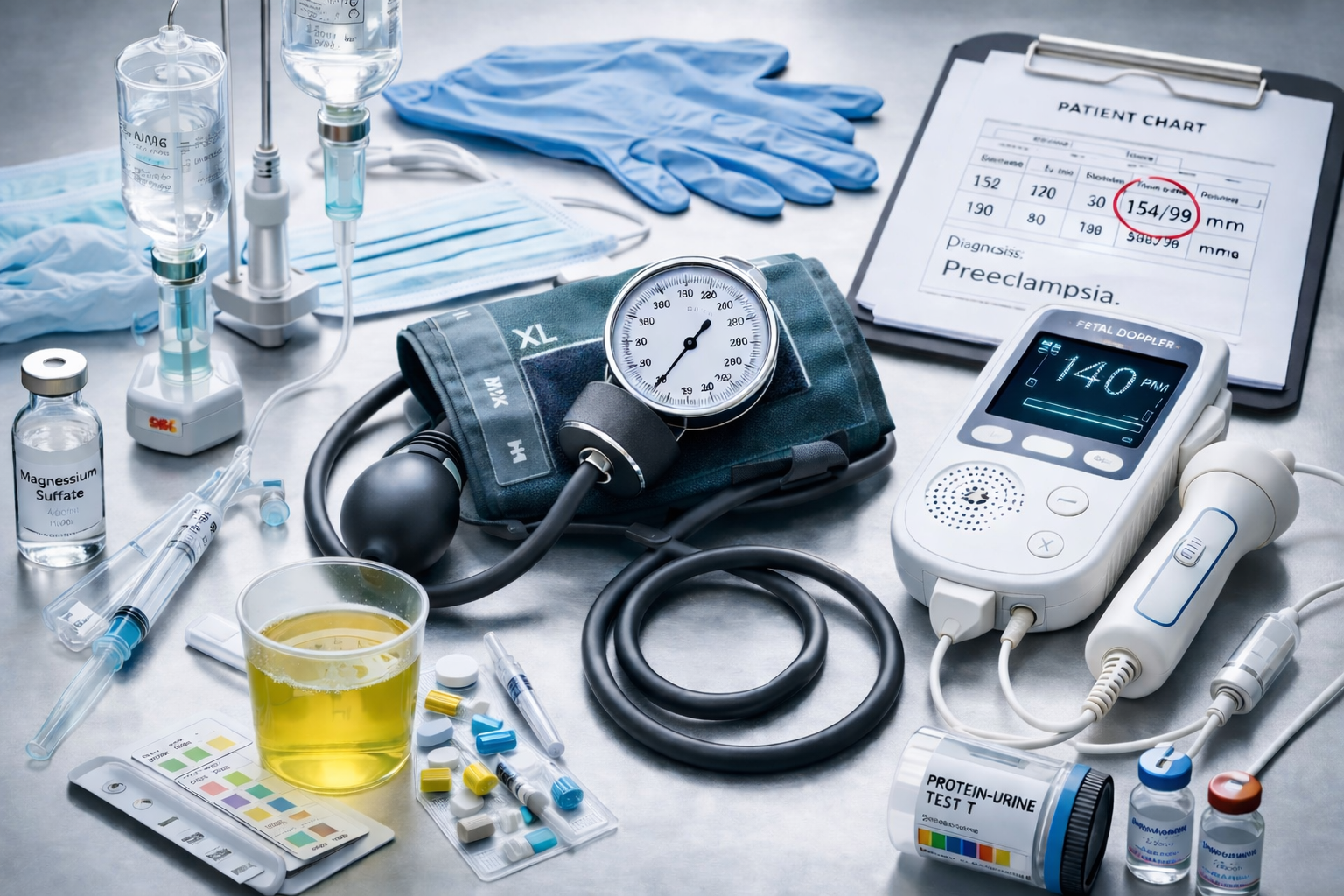
Preeclampsia can cause major, possible fatal issues for both the mother and the unborn child if treatment is not provided.
Because doctors may need to deliver the baby early to protect the mother’s health, the condition may result in an early birth.
Long-term high blood pressure can also cause organ damage, especially to the liver, kidneys, and brain.
Placental abruption is a condition in which the placenta separates from the uterine wall prior to delivery, depriving the foetus of oxygen and nourishment. Eclampsia, a type of seizure, may develop if the condition gets worse. If urgent medical attention is not given, these complications greatly raise the mother’s and her unborn child’s risk of serious health issues and even death.
Early detection and good medical care during pregnancy are critical for preventing and controlling preeclampsia. Regular monitoring enables healthcare personnel to detect warning symptoms early and respond appropriately to protect both the mother and the baby. Key preventative and management measures include the following:
Regular prenatal examinations help healthcare providers to monitor the mother’s health, check blood pressure, and discover early signs of difficulties associated with preeclampsia.
Monitoring blood pressure: Regular blood pressure tests help in detecting abnormal increases early. Early detection allows doctors to treat the illness before it worsens into serious complications.
Healthy diet: Eating a balanced diet full of fruits, vegetables, whole grains, and enough protein promotes maternal health in general and may help lower some preeclampsia risk factors.
Medication if prescribed: In certain situations, medical professionals may recommend drugs to lower the risk of problems or regulate blood pressure. These drugs must always be administered under a doctor’s supervision.
Early delivery in severe cases: Doctors may advise delivering the baby before the anticipated due date as the safest course of action if the condition worsens and poses a risk to the mother’s or the child’s health.
Awareness and immediate action continue to be the most effective strategies against preeclampsia. Expectant moms can dramatically lower their risks of experiencing serious challenges by recognising warning signals, knowing personal risk factors, and attending frequent prenatal checks.
Early detection, good medical therapy, and a healthy lifestyle preserve not only the mother’s health, but also the baby’s life and well-being.
Experts emphasize the need of informed and proactive care; when women and healthcare providers collaborate, the silent hazards of preeclampsia can be effectively addressed, resulting in safer pregnancies and healthier outcomes for families.