


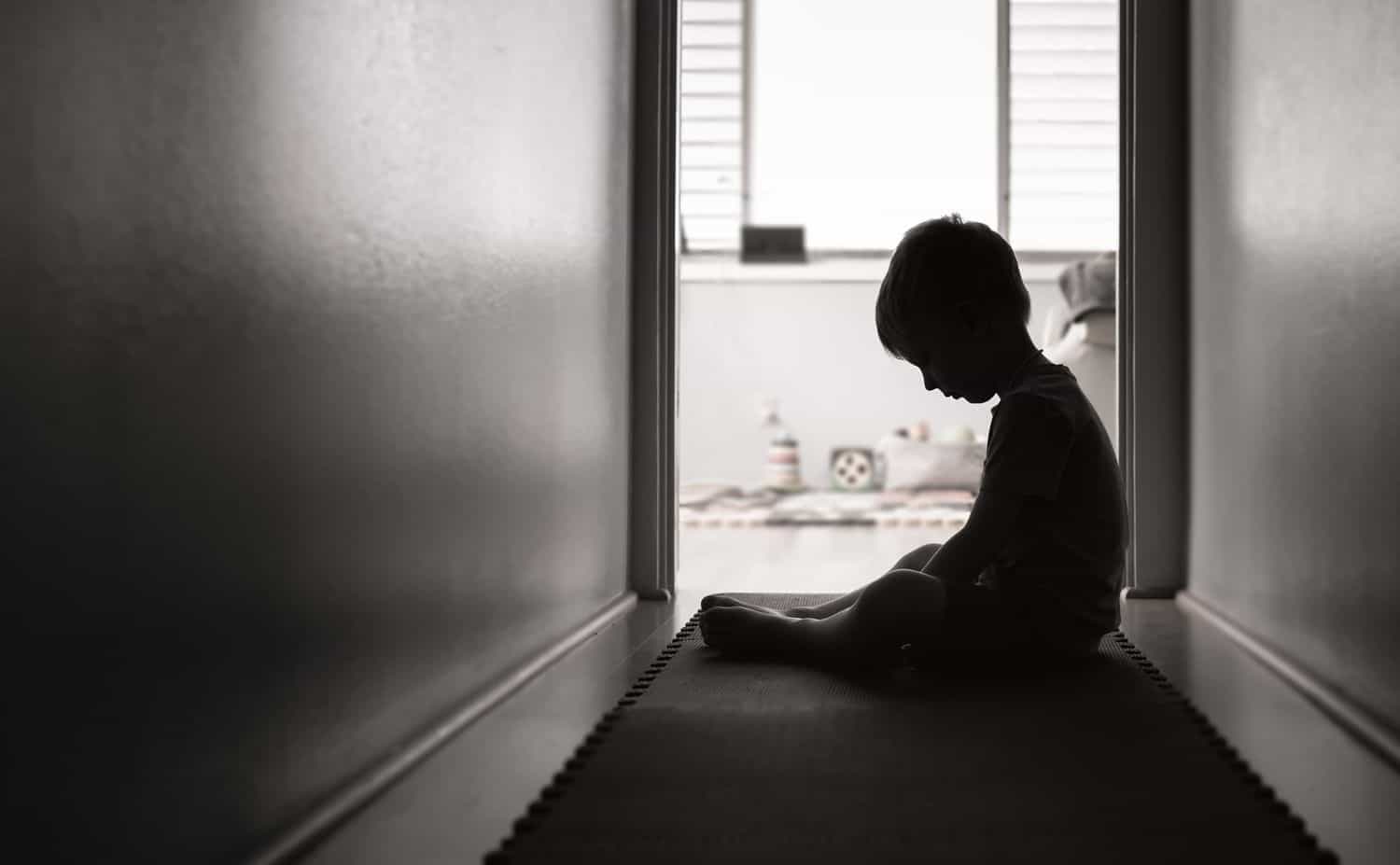
The Unspoken Childhood: Breaking the Silence Around Trauma
A child may grow up without visible scars, yet the emotional wounds of fear, neglect, or abuse can last a lifetime. Childhood trauma often shapes how someone thinks, feels, relates to others, and reacts to stress long into adulthood.
Still, in many cultures, it remains a taboo topic dismissed, minimized, or ignored.
What Is Childhood Trauma?
Childhood trauma refers to overwhelming experiences that exceed a child’s ability to cope. These moments can have lasting effects on mental, emotional, and physical health.
It may stem from:
-
Abuse or neglect
-
Witnessing violence
-
Exploitation
-
Loss of a loved one
-
Accidents or natural disasters
Such experiences disrupt healthy brain development and stress responses. This raises the risk of long-term issues like anxiety, depression, difficulty regulating emotions, and low self-esteem.
The World Health Organization estimates that 40 million children under 15 experience violence every year. The resulting trauma, depending on severity and context, can trigger lifelong medical and psychological consequences.
Common Causes of Childhood Trauma
Childhood trauma can arise from many situations, each with short-term and long-term effects.
1. Bullying
Bullying whether physical, verbal, or online deeply affects a child’s emotional well-being. It can impair concentration, lower self-worth, and weaken school performance.
2. Community Violence
Exposure to gang violence, riots, shootings, or unrest creates constant fear. Ongoing exposure increases the likelihood of long-term trauma and emotional withdrawal.
3. Natural Disasters
Events such as floods or drought can shatter a child’s sense of safety. Losing a home or belongings often leaves children feeling insecure, anxious, and helpless for years.
4. Domestic Violence Between Parents
Growing up in a home filled with conflict can leave deep emotional scars. Watching parents fight—while feeling powerless to stop it creates fear that stays in a child’s memory forever.
5. Physical Abuse
Physical abuse is intentional harm. It causes immediate injuries and long-term psychological effects like PTSD, aggression, mistrust, and emotional instability. Many children struggle socially and academically as a result.
The Lasting Impact of Ignored Trauma
Unaddressed childhood trauma increases the likelihood of both physical and mental health issues later in life. Children with at least one traumatic experience are more prone to:
-
High-risk behaviours (smoking, drug use, alcoholism)
-
Chronic illnesses such as heart disease and cancer
-
Poor stress management
-
Anxiety, depression, and intense emotional reactions
Conditions linked to untreated trauma include:
-
PTSD
-
Acute Stress Disorder
-
Adjustment Disorders
-
Reactive Attachment Disorder
-
Disinhibited Social Engagement Disorder
-
Personality Disorders
These challenges can persist well into adulthood without proper care and support.
Pathways to Healing
The World Health Organization affirms that healing is possible. With the right interventions, individuals can recover, thrive, and reclaim their emotional wellbeing.
Helpful approaches include:
-
Trauma-informed therapy
-
Supportive family and community networks
-
Healthy coping skills
-
Grounding techniques
-
Exercise, nutrition, and self-care
-
Building resilience through positive relationships
-
Creating safe environments where children feel protected and heard
Healing requires time, patience, and compassion but recovery can transform lives. Addressing childhood trauma is the first step toward breaking generational cycles of pain and creating healthier, more supportive communities.