


Understanding Narcolepsy: The Silent Sleep Disorder
Many people fear illness, especially when they do not understand it or know how to manage it. Today, more individuals are struggling with conditions that affect their daily lives from bipolar disorder and PTSD to schizophrenia and eating disorders.
Among these, narcolepsy remains one of the least understood, yet it significantly disrupts daily functioning.
What Is Narcolepsy?
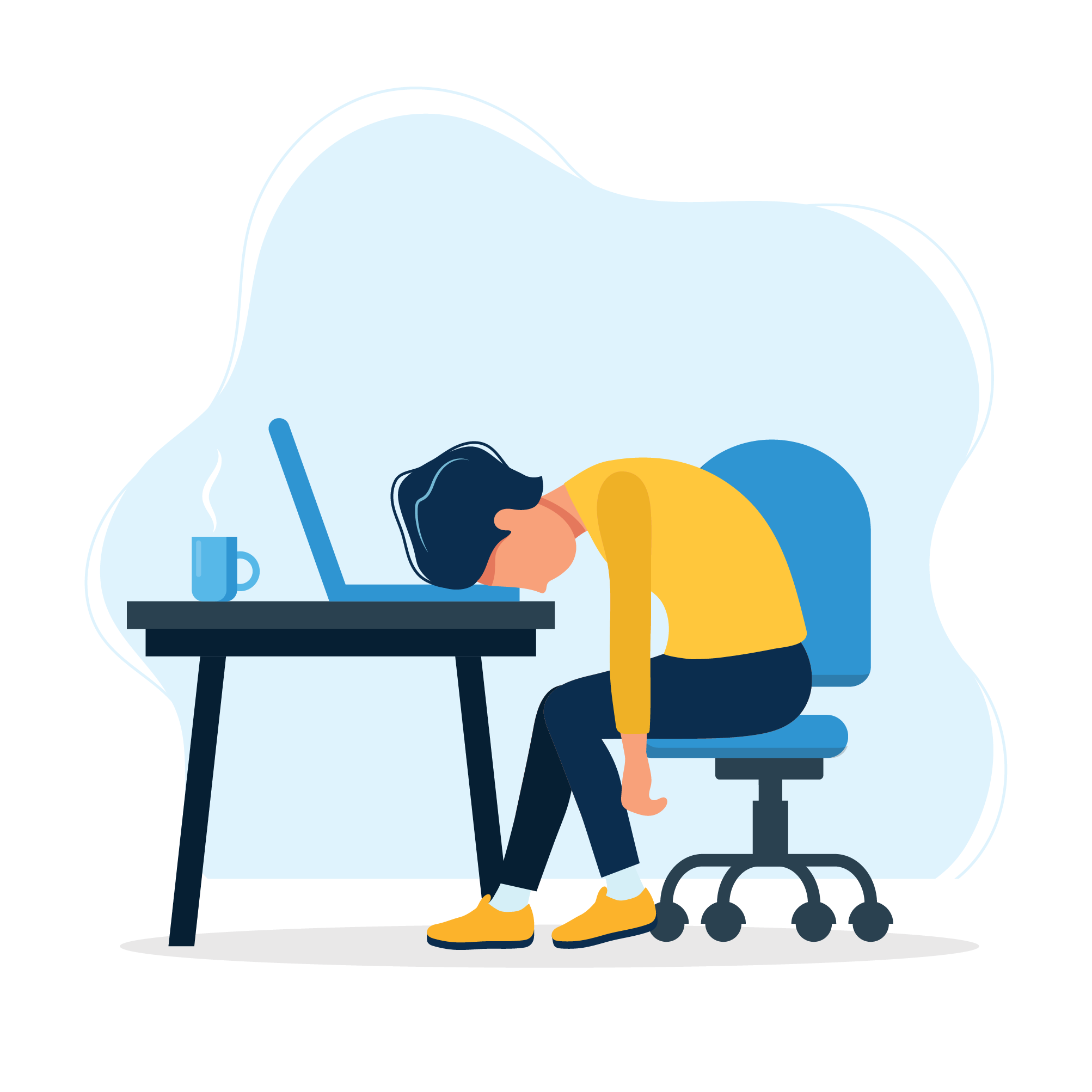
Narcolepsy is a chronic sleep disorder that causes overwhelming daytime sleepiness. People with narcolepsy struggle to stay awake for long periods, often falling asleep suddenly and without warning. These sudden sleep attacks can occur anywhere even while walking or during a conversation.
Globally, an estimated 1 in 2,000 people live with narcolepsy. However, because many cases go undiagnosed, the true number is likely much higher.
Symptoms to Watch For
Narcolepsy affects the brain’s ability to regulate sleep and wakefulness. Its symptoms can vary from mild to severe.
Common signs include:
-
Excessive daytime sleepiness
-
Sudden sleep attacks
-
Sleep paralysis
-
Hallucinations when falling asleep or waking up
-
Cataplexy (sudden loss of muscle control triggered by strong emotions)
-
Disturbed nighttime sleep or obstructive sleep apnea
Cataplexy is one of the most striking features. A person may suddenly become weak, drop objects, buckle at the knees, or collapse after laughing, feeling excited, or getting angry.
About 25%–50% of people with narcolepsy experience sleep paralysis, which can be terrifying but is not dangerous.
What Causes Narcolepsy?
Researchers link narcolepsy to a mix of genetic, environmental, and neurological factors.
Key contributors include:
-
Low levels of hypocretin, a neurotransmitter that regulates wakefulness
-
Genetics, as the condition may run in families
-
Brain injuries, infections, or autoimmune reactions (rare but possible)
Narcolepsy typically appears between the ages of 10 and 30 and affects both men and women equally.
Why Awareness Matters
Narcolepsy is often misunderstood, yet early recognition can improve treatment and quality of life. Increased public awareness helps people spot the symptoms and seek medical help instead of dismissing them as “being lazy” or “oversleeping.”
There is also an urgent need for more government involvement especially in education, screening, and support services. Many people struggle for years before receiving a diagnosis because the condition is rarely discussed.
Moving Forward
Narcolepsy may be a lifelong condition, but it can be managed with the right treatment, lifestyle changes, and support. Understanding its symptoms is the first step toward helping affected individuals live safely, confidently, and without stigma.