

Wednesday, September 23, 2026
Google search engine
Home Blog Page 50

How Peer Pressure Influences Teen Health Choices

How Peer Pressure Influences Teen Health Choices

Peer pressure plays a major role in shaping teenagers’ health decisions. In many cases, it pushes young people toward behaviours that can affect their well-being far into adulthood.

In a society where social acceptance shapes identity, many teenagers experiment with alcohol, drugs, or risky habits to fit in. The desire to belong often overrides personal judgement, making teens more likely to take health risks at an early age.

As social media amplifies these influences, the line between safe and unsafe behaviour becomes increasingly unclear, exposing teens to choices that affect their physical, mental, and emotional health.

Understanding Peer Pressure

Peer pressure refers to the influence others have on an individual to conform. It often stems from fear of rejection or a strong desire for approval.

Among teenagers, this pressure can be direct, such as being encouraged to drink alcohol, or indirect, like feeling obligated to join certain activities to avoid exclusion.

How Peer Pressure Influences Teen Health Choices
Why Teens Are Vulnerable to Peer Influence

Adolescence is a period of growth and self-discovery, which makes teens especially sensitive to outside influence. Social affirmation strongly shapes decision-making at this stage.

Since identity is still forming, approval from peers often feels essential. As a result, teens may prioritise acceptance over personal values or safety.

The Role of Social Media and Peer Validation

Social media has intensified peer pressure in several ways. Online platforms often promote trends that suggest teens must look or act a certain way to belong. This pressure can push them toward harmful behaviours, including substance use, to appear “cool” or accepted.

At the same time, posts that glamorise partying or risky lifestyles can make dangerous behaviour seem normal. Likes, comments, and shares become measures of social worth, encouraging teens to take risks for attention.

Constant comparison with others online can also lower self-esteem, weakening decision-making and increasing vulnerability to peer influence.

However, social media is not entirely negative. When used responsibly, it can promote healthy habits, mental health awareness, and positive peer support.

Effects of Peer Pressure on Teen Behaviour

Peer pressure influences how teenagers think, act, and make choices. While some effects are harmful, not all peer influence is negative.

Positive peer pressure can encourage teens to:

  • Perform well academically

  • Adopt healthy habits

  • Develop personal skills and confidence

Negative peer pressure, on the other hand, may lead to:

  • Risky behaviours such as drug and alcohol use

  • Academic challenges, including skipping classes

  • Emotional stress, anxiety, and low self-esteem

Managing Peer Pressure

For Teens

Managing peer pressure starts with self-awareness and strong values. Teens should trust their instincts and make decisions that support their health and future. Speaking to a trusted adult, such as a parent, teacher, or counsellor, can provide guidance during difficult situations.

Supporting friends who struggle to say no can also make a difference. Choosing friendships that encourage positive behaviour helps reduce unhealthy influence. When necessary, walking away from risky situations is a powerful act of self-respect.

For Parents and Teachers

Parents and educators play a crucial role in helping teens navigate peer pressure. Open communication builds trust and encourages teens to share their concerns. Creating a supportive environment, guiding responsible decision-making, and building self-confidence can strengthen a young person’s ability to resist harmful influence.

Turning Peer Pressure into a Positive Force

While peer pressure can push teens toward poor choices, it can also inspire positive change. Empowering young people with confidence, self-awareness, and strong support systems helps them make informed decisions.

Open conversations about drugs, alcohol, and risky behaviour break cycles of silence that often lead to harm. Ultimately, teaching teens that true strength lies in individuality rather than conformity protects their health and promotes long-term well-being.


Chromoka Campaign Enters Final Stretch with Two Million Up for Grabs

Chromoka Campaign Enters Final Stretch with Two Million Up for Grabs

As Kenyans ease back into the year after the festive season, EABL’s Chrome ‘Chromoka’ campaign is returning to the spotlight. The campaign has entered its final phase, marked by major wins and growing nationwide excitement.

Eight Millionaires and Counting

Since its launch, Chromoka has stayed true to its promise of rewarding consumers. What began as a simple promotion has grown into a nationwide celebration. So far, the campaign has crowned eight new millionaires across the country.

The winners include Edwin Miano and Duncan Shumila from Nairobi, Ian Njagi and Abraham Limo from Rift, Sylvester Opiyo from Coast, Morris Kimanthi from Eastern, Mary Ndenya from Western, and Amos Juma from Nyanza.

Each win tells a story of possibility. Together, they show how Chromoka continues to reward everyday participation across all regions.

Chromoka Campaign Enters Final Stretch with Two Million Up for Grabs
Brand Celebrates Strong Consumer Response

Commenting on the campaign’s progress, Zipporah Ndung’u, Senior Brand Manager for Chrome, said Chromoka has been an exciting journey for the brand. She noted that consumer participation has exceeded expectations and that seeing winners emerge from different regions has been deeply rewarding.

“As we head into the final lap, we are proud of how far the campaign has come,” she said. “We are also excited to see more consumers take part and aim for the next win.”

Final Chance to Win Big

With the campaign now in its closing phase, consumers still have a chance to win. Participants only need to scratch the label, send the unique alphanumeric code to 22110, and stay in the race for the next millionaire prize.

With winners already spread across the country, Chromoka continues to prove that anyone can win. Drink responsibly.

MOLIY Named EQUAL Artist of the Month

MOLIY Named EQUAL Artist of the Month

Nairobi, Kenya, Jan-13Ghanaian sensation MOLIY takes centre stage as the Spotify EQUAL Africa artist of the month of January 2026.

Also gracing the cover of the EQUAL Global playlist, she stands as a powerful symbol of the women representing Africa’s creative expansion and global musical dominance.

Known for her hypnotic blend of Afro-pop, Afro-fusion and dancehall, MOLIY’s sound is playful yet intentional, soft yet powerful.

Her music lives where emotion meets movement, earning her a rapidly growing global audience.

Born and raised in Ghana, MOLIY’s journey into music evolved from curiosity into calling. Raised on the sounds of Ghanaian legends like Daddy Lumba, Rex Omar, R2Bees and 4×4, alongside fearless female voices such as Ebony, Eazzy, Itz Tiffany and Sister Deborah, she was shaped by artists who championed confidence, freedom and individuality.

In December 2024, MOLIY released her breakout single “Shake It To The Max (FLY)”, a defining moment in her career. The track quickly went viral, becoming an international anthem and cementing her place as part of a new generation of African women with unapologetic global ambition, a rise reflected in Spotify Wrapped 2025 where she topped the list of most-exported Ghanaian artists.

Beyond the music, MOLIY represents a shift in how African women are seen and heard. Her visuals, performances and personal brand celebrate femininity, individuality and freedom, inspiring young women to take up space boldly.

Spotify’s EQUAL AFRICA initiative remains focused on elevating women’s voices, and MOLIY’s recognition underscores the role African women continue to play in shaping global sound and culture.

“MOLIY sits comfortably at the intersection of African pop and global culture,” says Phiona Okumu, Spotify’s Head of Music for Sub-Saharan Africa. “Her music reflects a generation that’s fluid, expressive, and unbound by borders, making her a powerful voice within EQUAL Africa.”

MOLIY Named EQUAL Artist of the Month
We sat down with MOLIY to talk Music, Purpose, and Finding Peace
What’s one surprising thing fans might not know about you?
I’m actually quite introverted. I love performing and creating, but off stage I really value quiet moments  being at home, spending time with family and friends, watching movies, playing online games and enjoying my peace.
When did you realise music was your destiny?
In 2018, something clicked. I was searching for purpose and felt stuck in other areas of my life, but at the same time I was creating music intentionally for the first time and falling in love with how it felt.
I also saw African music becoming a global movement and realised I had something new to add. That’s when I knew there was space for me.

Which African artists shaped your sound growing up?
I grew up on a mix of Ghanaian music and global pop. Artists like Daddy Lumba, Rex Omar, R2bees and 4×4, alongside female voices such as Ebony, Eazzy, Itz Tiffany and Sister Deborah, really inspired me. They all embodied confidence, freedom and individuality.

How would you describe your sound to a first-time listener?
Afro-pop and Afro-fusion at the core, with a bit of dancehall. It’s bold and playful, but still emotional. Soft yet powerful music you can dance to and still feel seen by.
Any advice for someone afraid to follow their dreams?
Do whatever is in your power right now and do it consistently. For me, it started with freestyling online. Every positive message mattered. I believe strongly in affirmations, speaking life into your goals and turning fear into belief.
How do you navigate the industry as a woman?
I stay grounded in who I am. There’s pressure to fit into boxes, but I let my perspective stay fluid. My artistry is shaped by confidence, vulnerability and the freedom to exist in multiple moods at once.
What does being part of EQUAL mean to you?
Being a woman in this industry has taught me to trust my voice even when the room is loud. There’s real power in women supporting women. EQUAL represents visibility, support and opportunity and I’m grateful to be part of it.

Why Sports Stars Who Head the Ball Face a Higher Risk of Dementia

0
Why Sports Stars Who Head the Ball Face a Higher Risk of Dementia

For footballers, few moments match the thrill of rising above defenders to meet a fast-moving ball and score.

Yet growing scientific evidence suggests that repeatedly heading the ball or sustaining frequent blows to the head may come at a devastating long-term cost.

Studies now show that professional footballers and American football players face a significantly higher risk of developing neurodegenerative diseases such as Alzheimer’s, Parkinson’s, and motor neurone disease later in life.

These conditions often emerge decades after an athlete’s playing career has ended.

A Risk Known for Nearly a Century

The dangers of repeated head trauma in sport are not new. As far back as 1928, US pathologist Dr Harrison Martland described a condition he called “punch drunk syndrome” among boxers.

Fighters showed symptoms such as unsteady movement, confusion, and personality changes. Over time, many developed severe dementia.

This condition later became known as dementia pugilistica, long believed to affect only boxers. However, medical understanding has evolved significantly.

Why Sports Stars Who Head the Ball Face a Higher Risk of Dementia
Why Sports Stars Who Head the Ball Face a Higher Risk of Dementia. Photo Courtesy
From the Ring to the Pitch

In recent decades, evidence has shown that contact sports beyond boxing carry similar risks. In 2002, former England and West Bromwich Albion striker Jeff Astle died at 59 after developing early-onset dementia.

In the United States, American football legend Mike Webster died at 50 following years of cognitive decline and Parkinson’s-like symptoms.

Post-mortem examinations revealed that both athletes suffered from chronic traumatic encephalopathy (CTE), a degenerative brain disease now closely linked to repeated head impacts.

Other tragic cases followed. In 2011, former Chicago Bears player David Duerson died by suicide after battling depression. Analysis of his brain also confirmed CTE.

What Happens Inside the Brain

“CTE is a very specific form of degenerative brain disease,” explains Professor Willie Stewart, a consultant neuropathologist at the University of Glasgow. “We only see it in people with a history of repetitive head injuries or impacts.”

Under a microscope, brains affected by CTE show abnormal deposits of a protein called tau, which disrupts normal brain function. Over time, this damage leads to memory loss, impaired judgment, mood disorders, and movement problems.

Unlike concussion, which causes immediate symptoms, CTE develops silently. The damage accumulates over years and often becomes apparent long after an athlete has retired.

Why Footballers Are Especially Vulnerable

While collisions are common in many sports, footballers face a unique risk. Heading the ball may not cause immediate injury, but repeated low-level impacts especially from heavy, waterlogged balls used in the past can gradually damage brain tissue.

Defenders and midfielders, who head the ball most often, appear to face the highest risk.

What Can Be Done

Awareness is growing, and sports bodies are beginning to respond. Some leagues have limited heading in youth football, while others are reviewing concussion protocols and long-term player welfare.

Experts say more action is needed, including:

  • Stricter limits on heading during training

  • Better long-term health monitoring for retired players

  • Investment in brain health research

  • Clearer education for players, coaches, and parents

As science continues to uncover the long-term consequences of repeated head impacts, one message is becoming clear: protecting athletes’ brains must be as important as protecting the game itself.

TECNO Hosts Football Fans at Exclusive AFCON Watch Parties in Nairobi

0
TECNO Hosts Football Fans at Exclusive AFCON Watch Parties in Nairobi

TECNO, the Official Global Partner of the Africa Cup of Nations (AFCON) 2025 and 2027, hosted exclusive watch parties in Nairobi as the tournament reached the quarter-final stage in Morocco.

Football fans, alongside sports and lifestyle journalists, gathered for live screenings of two high-stakes matches. The games featured Mali versus Senegal and hosts Morocco against Cameroon.

Set in a lively atmosphere, the events celebrated African football, culture, and shared fandom. The experience highlighted how AFCON has grown beyond sport into a unifying social moment across the continent.

With AFCON dominating conversations across Africa, TECNO used the quarter-final stage to showcase how smartphones are evolving. Devices are no longer just screens for viewing matches. They are becoming intelligent companions that enhance how fans understand and enjoy the game.

Showcasing TECNO’s Role in African Football

Speaking at the event, TECNO brand representative Mildred Agoya underscored the importance of fan engagement.

“These watch parties celebrate AFCON with fans and the media who tell Africa’s football stories every day,” she said. “As the Official Global Partner and title sponsor of AFCON 2025 and 2027, TECNO supports the tournament beyond the pitch. We are proud to create experiences that bring fans closer to the game.”

She also highlighted TECNO’s ELLA AI features developed specifically for AFCON. According to Agoya, the tools are designed to help fans better understand matches while improving everyday smartphone use.

Inside TECNO’s Exclusive AFCON Watch Party Experience in Nairobi
ELLA AI Brings Football Intelligence to Fans

Beyond live match viewing, guests interacted with ELLA AI Coach, TECNO’s proprietary artificial intelligence assistant tailored for AFCON. The demonstrations showed how AI can actively support football fans rather than simply display content.

One feature, Match Decoder, analyzes team formations, past performances, and match dynamics. It offers insights that add depth to discussions around tactics, line-ups, and possible outcomes.

Another tool, Snap-and-Know, allows users to photograph a match fixture on a TV screen, poster, or WhatsApp flyer. ELLA AI then instantly provides accurate details such as kick-off time, date, and venue.

For fans unable to watch every match live, Daily Highlights delivers brief summaries and key moments. This allows users to stay informed during work breaks, commutes, or busy schedules.

TECNO also showcased StarCam, a feature that lets users place themselves alongside celebrities or public figures as if watching matches together. Designed for social sharing, it reflects Kenya’s vibrant digital culture and expressive football storytelling.

Together, the features mirror how African fans engage with football today. Conversations now extend across social media, mobile platforms, and real-time digital interaction.

Blending Football, Media, and Lifestyle

Beyond the matches, the watch parties offered relaxed networking spaces for journalists and content creators. Guests explored how TECNO blends football intelligence, culture, and everyday convenience through AI-powered smartphones.

Mac Otani, CEO of Swala Nyeti, described the experience as both engaging and inclusive.

“It was refreshing to be part of a well-curated AFCON watch party where journalists, bloggers, and fans could enjoy the games and exchange ideas,” he said. “The setting made it easy to experience football while seeing how technology is enhancing fandom.”

Throughout the AFCON period, TECNO has brought together fans, journalists, and creators at various Nairobi entertainment venues. These immersive experiences form part of a broader engagement strategy that combines on-ground events with digital interaction.

As AFCON enters its decisive stages, TECNO continues to show how intelligent technology can deepen fan engagement, simplify access to information, and capture the emotion that defines African football.

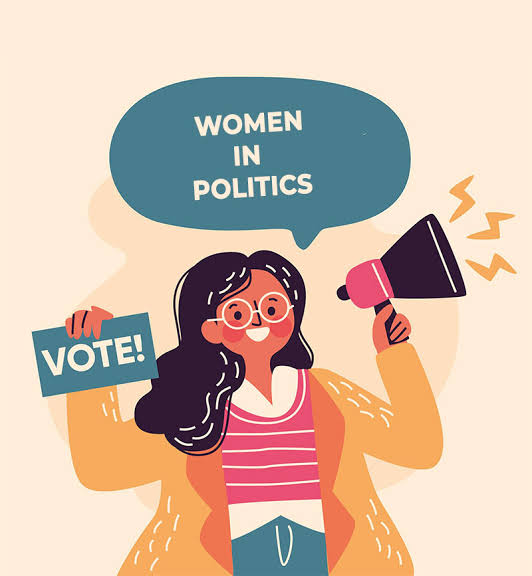
Women In Leadership: Overcoming Barriers In Politics

0
Women In Leadership: Overcoming Barriers In Politics

Despite substantial advances towards gender equality, women are still severely underrepresented in politics. Numerous challenges to their involvement in leadership posts remain, ranging from societal expectations and financial constraints to cultural bias and threats of violence.

These challenges not only limit women’s participation in decision-making but also undermine democracy by preventing various viewpoints from affecting policy.

Understanding and overcoming these challenges is critical to building a political environment in which women can lead on an equal footing with men.

The United Nations emphasizes the importance of women in leadership, stating that “Women’s political participation is critical for a well-functioning democracy. Their inclusion is a matter of justice and a key factor in creating more effective governance.

Women’s engagement in Kenyan politics has been gradual, marked by both progress and persistent challenges. Before independence, women were mostly involved in grassroots organisations and anti-colonial conflicts, but they did not often hold official political positions.

The 2010 Constitution included gender-equality measures, which resulted in incremental gains in women’s participation in Parliament, the Senate, and county administrations.

Despite these advances, women in Kenya continue to confront substantial obstacles in gaining equal political involvement.

Women In Leadership: Overcoming Barriers In Politics

Despite having several women in the political arena, they face challenges for them to be where they are. These challenges include:

Societal Expectations: In some communities, gender norms frequently require women to prioritise family and domestic obligations, making it difficult for them to pursue political careers.

Financial Constraints: Running for office involves significant resources, and women frequently have limited access to campaign financing and political networks.

Cultural Biases: Stereotypes that depict leadership as a male domain prevent women from running and impact how voters and parties perceive female candidates.

Assault and Intimidation: Women politicians experience harassment, threats, and sometimes physical assault, which might discourage women from running for office.

Limited Mentorship and Networks: Because males dominate political networks, women have fewer opportunities for mentorship, sponsorship, and strategic campaign counsel.

In Kenya, organisations like the KEWOPA, Kenya Women Parliamentary Association, have been formed to provide a platform for effective women’s participation in leadership through legislation, oversight, and representation.

The 47 women reps across every county are a perfect example of women in power, not forgetting those in governorship positions and the senate.

What actions can the government take to increase women’s political participation?

Every election provides a chance to increase women’s involvement, improve gender equality, and women’s rights.

~ Use special measures, such as legislated gender quotas and gender balanced appointments

~ End Violence against women in politics

~ Ensuring equal treatment of women, political candidates

~ Support women candidates and representative decision-making

Women face several challenges when entering politics, yet their involvement is critical for a truly representative democracy.

Overcoming societal expectations, financial barriers, cultural prejudices, and threats of violence requires a collaborative effort by governments, political parties, and communities.

Empowering women to lead not only challenges outdated standards but also paves the path for policies that represent all people.


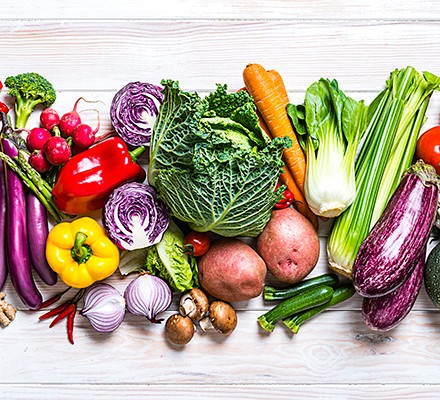
More Vegetables On Your Plate: The Secret To Staying Healthy

More Vegetables On Your Plate: The Secret To Staying Healthy

Many individuals undervalue the value of vegetables in their diets in a world where fast food and processed foods are commonplace. Nonetheless, one of the most important diets for preserving health is vegetables.

They give the body essential elements like fibre, vitamins, and minerals that aid with digestion, immunity, and the prevention of chronic illnesses. One of the easiest ways to promote a healthy lifestyle and guarantee general well-being is to incorporate veggies into your meals regularly.

According to the World Health Organisation (WHO), consuming a healthy diet throughout the life course helps to prevent malnutrition in all its forms as well as a range of non-communicable diseases and conditions.

However, increased production of processed foods, rapid urbanization, and changing lifestyles have led to a shift in dietary patterns. People are now consuming more foods high in energy, fats, free sugars, and salt/sodium, and many people do not eat enough fruit, vegetables, and other dietary fibre, such as whole grains.

What Are the Nutritional Benefits of Vegetables

Vegetables are nature’s powerhouse of nourishment.

They include important vitamins, minerals, and other nutrients that the body requires to function correctly.

Most veggies are low in calories and fat, but high in fibre, which improves digestion and helps you maintain a healthy weight.

They are high in vitamin A, which promotes good vision and skin health; vitamin C, which boosts immunity; and vitamin K, which aids in blood clotting and bone strength.

Spinach, kale, and broccoli are high in iron and calcium, which are required for proper blood production and bone strength.

More Vegetables On Your Plate: The Secret To Staying Healthy
The Role Of Vegetables in Disease Prevention

Vegetable consumption on a daily basis not only helps build our body’s immune but also prevents certain diseases.

If there is minimal intake of vegetables, it will link directly to poor health and increased chances of non-communicable diseases.

In reference to WHO, Current evidence indicates that fruits and vegetables consumed as part of the daily diet can help reduce the risk of coronary heart disease, stroke, and certain types of cancer.

More limited evidence suggests that when consumed as part of a healthy diet low in fat, sugars, fruits, and vegetables may also help to prevent unhealthy weight gain

Very limited evidence suggests possible links between fruit and vegetable consumption and osteoporosis and type 2 diabetes, though the latter may be a result of potential effects on body weight.

Incorporating vegetables into your daily diet is one of the simplest and efficient methods to stay healthy, but it might be the hardest of the routines to follow.

Vegetables supply necessary nutrients, protect the body from sickness, and promote overall health. Vegetables, whether fresh, boiled, or blended into smoothies, should always be on your plate since good health begins with proper nutrition.

The Double-Edged World Of Social Media For Teens: Setting Healthy Boundaries

0
The Double-Edged World Of Social Media For Teens: Setting Healthy Boundaries

Is it starting to feel as if social media has more impact on your home than you do? With school, sports, and the never-ending scroll, it can be difficult to keep up, let alone understand what your kid is seeing, doing, or feeling online.

Double-Edged World of Social Media
The Benefits of social media on teens

One of its most significant benefits is connectivity. Social media enables teenagers to stay connected with friends and family from a distance. It fosters a sense of community by facilitating quick communication and strengthening relationships through constant engagement.

Another significant advantage is the freedom to express oneself and create. Platforms such as TikTok, Instagram, and YouTube have enabled young people to display their talents, share their ideas, and convey their stories to a worldwide audience. For many teenagers, this serves as a valuable outlet for their creativity and self-confidence.

Social media also has a big impact on education and awareness. It offers kids quick access to information that helps them learn outside of the classroom, such as online study groups and tutorials, motivating content, and worldwide news.

Furthermore, it encourages support and belonging, particularly among individuals who may feel isolated in real life. Teens can use online forums to connect with others who understand their experiences, making them feel more accepted and less alone.

Finally, social media provides opportunities for advocacy and constructive change. A lot of teens utilize social media to promote awareness about topics including mental health, environmental conservation, and equality.

Risks of social media on teens while growing up

Exposure to Inappropriate or Upsetting Content – Teens and children can easily come across violent, sexual, or unsafe materials online, which can upset them emotionally or negatively impact their conduct.

Cyberbullying: Social media platforms can be used for harassment, name-calling, and distributing false information. This can lower self-esteem and cause tension, worry, or despair.

Pressure to Engage – Many young users feel compelled to post frequently, acquire likes, and appear “perfect” online. The persistent need for confirmation can lead to insecurity and emotional strain.

Targeted Advertising – Social media algorithms expose young people to advertisements that promote harmful behaviors, unrealistic lifestyles, or reckless purchasing, capitalizing on their interests and emotions.

According to statistics, “surveys show that ninety percent of teens ages 13-17 have used social media. Seventy-five percent report having at least one active social media profile, and 51% report visiting a social media site at least daily. On average, teens are online almost nine hours a day.”

If you’re a parent, you’ve probably had some concerns about how your children use social media. With platforms becoming an everyday part of adolescent life, finding the correct balance between online freedom and safety has become one of the most difficult parenting tasks of the digital age.

~ create a social media plan for the whole family

~ Understand how kids are using social media

~ Understand the algorithm

~ Talk to kids about digital footprint

~ Reflect on how social media makes you feel.

Finally, navigating social media requires accountability rather than limitation. When teenagers learn to set appropriate online limits, they gain the ability to navigate the digital world securely, confidently, and with a clear sense of balance.

How Journaling Can Improve Your Mental Health

How Journaling Can Improve Your Mental Health

In a world that never stops moving, our minds might feel like cluttered homes, filled with worries, unfinished thoughts, and feelings we scarcely comprehend.

Journaling provides a simple solution to this chaos by transforming a blank page into a safe space where thoughts can be expressed, emotions explored, and mental clarity restored.

Journaling is a form of self-care in which you document your life events, as well as any associated feelings or thoughts.

It can help you clear your mind and deal with stress, worry, and despair. Putting your experiences into words allows you to organize your thoughts, express and process emotions, recognize patterns, and reflect on ways to improve your well-being.

According to statistics, studies demonstrate that regular journaling practice can reduce symptoms of depression and anxiety by 20-45%, improve immune function, enhance cognitive performance, and even extend lifespan.

What Are The Mental Health Benefits of Journaling?

Journaling is a common therapeutic method used in a variety of disciplines and psychological orientations. Easy to execute and get started, it may help individuals with various mental health challenges.

Journaling for Anxiety. Writing down fears and racing thoughts allows you to externalize them, making anxiety feel more controllable and less overpowering. It also helps people recognize triggers and trends, which can lead to proactive coping measures.

Journaling for Depression – Writing down emotions and experiences can bring a sense of relief, support in tracking mood trends, and promote good self-reflection. Over time, it might emphasize little accomplishments and moments of thankfulness that would otherwise go unnoticed.

Journaling for Stress Management – Putting difficult experiences and thoughts on paper assists people to absorb them, gain perspective, and alleviate their emotional stress. It can also assist prioritize problems, making them seem more manageable and less chaotic.

Journaling for Reflection – Journaling promotes self-awareness by allowing people to examine their experiences, notice trends, and make informed decisions. It also improves critical thinking and clarifies goals and beliefs.

Journaling for Recovery – Whether recovering from trauma, sickness, or setbacks, journaling promotes healing by offering a safe area to explore feelings, measure progress, and build resilience. It might act as a personal progress record, reminding people of their accomplishments.

How Journaling Can Improve Your Mental Health
How Can You Start Journaling?

If you’re not used to expressing your deepest thoughts and emotions, putting them into words might be difficult.

A good place to start is to think about the experiences you’re grateful for. You may write about someone going out of their way to assist you, progress you’ve made toward an important goal, or a time when you helped someone else.

Journaling may include addressing uncomfortable or painful feelings, so keep your writing secret. Consider utilizing a password-protected digital document, a closed journal, or a notepad. Some individuals like the slower, more deliberate process of handwriting, so select the way that is most comfortable for you.

Begin by allocating roughly five minutes every session to communicate your ideas and emotions rather to worrying about grammar or style. Initially, consider scheduling your journaling at consistent times, multiple days a week, to help it become a habit.

If you’re stuck and unsure what to write, start by defining the emotion you’re feeling and what caused it. Consider how you reacted was your response appropriate? Could you have dealt with the circumstance differently?

Consider what you would do if a similar circumstance occurred in the future. These tactics are comparable to strategies used in cognitive behavioral therapy, which helps you identify and modify harmful thought habits.

Whenever possible, end your journaling session with thankfulness. Write a few phrases on what you value and consider entering them into your phone or posting them somewhere visible in your house to remember and encourage you during stressful or worrisome times.

In conclusion, journaling is a simple yet effective technique to manage emotions, alleviate stress, and obtain clarity in daily life. Individuals who consistently write down their thoughts and feelings can gain a better understanding of themselves, track their personal improvement, and build resilience.

Ultimately, this practice provides a safe environment for reflection, healing, and enhanced mental health.


10 Surprising Things You Didn’t Know You Could Order on Glovo

0
10 Surprising Things You Didn’t Know You Could Order on Glovo 
 
In Kenya, tech platforms have quietly transformed the way Kenyans shop, snack, celebrate, and even solve last-minute emergencies. What was once just an app for lunch has become a gateway to an entire universe of possibilities.
Leading this charge is Glovo, a technological platform connecting customers, businesses, and riders. While best known for offering local restaurants, the app offers much more than meets the eye
Beyond the expected burgers and pizzas lie some truly surprising, delightful, and quirky things you can order with just a few taps. Below are 10 unexpected items that prove the platform  gives you access to anything in your city.
10 Surprising Things You Didn’t Know You Could Order on Glovo
1. Fresh Flowers & Instant Gifting
If you forgot an anniversary, need to apologize, or want to send a quick “congratulations,” Glovo it is also a mobile florist. You can order fresh bouquets, premium chocolates, and gift hampers from partners like Artcaffe Market and local florists. It is the ultimate hack for last-minute thoughtful gestures, allowing you to send love across town in under an hour.
2. Board Games and Puzzles
You can forget about driving across town to find a way to unplug. Whether you are looking for Scrabble, a strategy-packed game like Catan, or puzzles to keep the kids entertained, partners like Game Changer and Toy World are accessible on the app. It turns “game night” into an impulse decision rather than a planned event.
3. Authentic “Kibanda” Food (Affordable Eats)
There is a misconception that apps  are only for high-end dining. Enter Kibanda Express. You can now order authentic, wallet-friendly local meals think Chapati Ndengu, Githeri, or Ugali Omena at prices that rival walking to the local joint yourself. It is the perfect solution for when you want a “shibisha” meal without the restaurant price tag.
4. Hardware Tools & Accessories
Do you have a flat tire, loose bolts, or need a screwdriver at 9:00 p.m.? Glovo’s partnership with suppliers like Hurlingham Hardware means you can order tools on demand. From pliers and duct tape to drilling bits and home repair essentials, DIY emergencies are officially solvable from your sofa.
5. Electronics & Tech Essentials
Gone are the days when you had to rush to the CBD because your charger broke. The app now hosts major electronics vendors, allowing you to order everything from TECNO smartphones and replacement cables to wireless earbuds and power banks. Whether you need a quick phone upgrade or just lost your headphones, the “Tech” category has you sorted.
6. Cooking Gas Refills
Running out of gas halfway through cooking Chapati is a Kenyan rite of passage, but it doesn’t have to be a disaster. One of the most surprising utilities on the app is the ability to order a gas cylinder refill. Partners like ProGas and other local distributors can deliver a heavy cylinder right to your doorstep, saving you the heavy lifting and the panic.
7. Beauty and Personal Care
If your beauty routine needs a top-up, you don’t need a trip to the mall. Stores like Linton’s Beauty World, Super Cosmetics, and Zaron are listed directly on the app. Whether it is high-end skincare, makeup, or grooming tools, the delivery is fast enough to save you during last-minute event prep.
8. The Retail Giants (Carrefour, Naivas &  Quickmart, and Chandarana FoodPlus)
You probably knew you could get groceries, but did you know you have full access to major retailers? You can shop virtually from Carrefour, Naivas, Quickmart, and Chandarana FoodPlus. This includes their exclusive “private label”  products—like Carrefour’s remarkably affordable pasta or tissues delivered at the same prices you would find on the shelf.
9. Pet Supplies (The Heavy Lifting)
Anyone who owns a dog knows the struggle of hauling a 10kg bag of food from the supermarket to the car, and then to the house. Glovo has quietly become a favorite for pet owners by doing the heavy lifting for you. From bulk dog food and cat litter to chew toys and accessories, you can restock your pet’s needs without breaking a sweat.
10. Pharmacy and Wellness Essentials
Perhaps the most critical “surprise” is the ability to handle health emergencies. Through partnerships with trusted chemists like Goodlife Pharmacy, you can order over-the-counter essentials painkillers, syrups, vitamins, and first-aid kits delivered to your door. When you are home sick and cannot drive to the chemist, this feature is literally a lifesaver.
There is no doubt that Glovo has created a marketplace that mirrors Kenya’s energetic spirit unpredictable, diverse, and endlessly innovative. Whether you are upgrading your phone, refilling your gas cylinder, or sending a surprise bouquet, Glovo proves that convenience is no longer a luxury; it is a standard.