


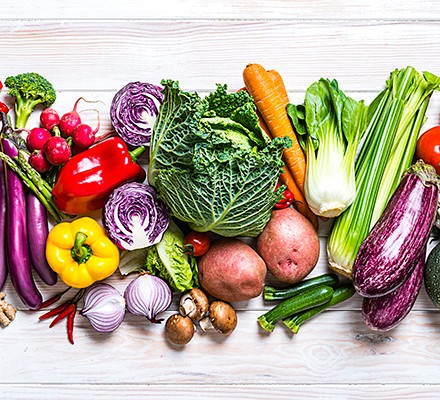
More Vegetables On Your Plate: The Secret To Staying Healthy
Many individuals undervalue the value of vegetables in their diets in a world where fast food and processed foods are commonplace. Nonetheless, one of the most important diets for preserving health is vegetables.
They give the body essential elements like fibre, vitamins, and minerals that aid with digestion, immunity, and the prevention of chronic illnesses. One of the easiest ways to promote a healthy lifestyle and guarantee general well-being is to incorporate veggies into your meals regularly.
According to the World Health Organisation (WHO), consuming a healthy diet throughout the life course helps to prevent malnutrition in all its forms as well as a range of non-communicable diseases and conditions.
However, increased production of processed foods, rapid urbanization, and changing lifestyles have led to a shift in dietary patterns. People are now consuming more foods high in energy, fats, free sugars, and salt/sodium, and many people do not eat enough fruit, vegetables, and other dietary fibre, such as whole grains.
What Are the Nutritional Benefits of Vegetables
Vegetables are nature’s powerhouse of nourishment.
They include important vitamins, minerals, and other nutrients that the body requires to function correctly.
Most veggies are low in calories and fat, but high in fibre, which improves digestion and helps you maintain a healthy weight.
They are high in vitamin A, which promotes good vision and skin health; vitamin C, which boosts immunity; and vitamin K, which aids in blood clotting and bone strength.
Spinach, kale, and broccoli are high in iron and calcium, which are required for proper blood production and bone strength.
The Role Of Vegetables in Disease Prevention
Vegetable consumption on a daily basis not only helps build our body’s immune but also prevents certain diseases.
If there is minimal intake of vegetables, it will link directly to poor health and increased chances of non-communicable diseases.
In reference to WHO, Current evidence indicates that fruits and vegetables consumed as part of the daily diet can help reduce the risk of coronary heart disease, stroke, and certain types of cancer.
More limited evidence suggests that when consumed as part of a healthy diet low in fat, sugars, fruits, and vegetables may also help to prevent unhealthy weight gain
Very limited evidence suggests possible links between fruit and vegetable consumption and osteoporosis and type 2 diabetes, though the latter may be a result of potential effects on body weight.
Incorporating vegetables into your daily diet is one of the simplest and efficient methods to stay healthy, but it might be the hardest of the routines to follow.
Vegetables supply necessary nutrients, protect the body from sickness, and promote overall health. Vegetables, whether fresh, boiled, or blended into smoothies, should always be on your plate since good health begins with proper nutrition.