


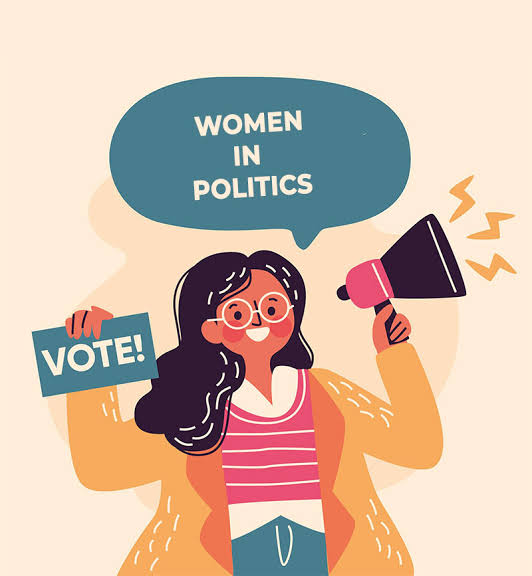
Women In Leadership: Overcoming Barriers In Politics
Despite substantial advances towards gender equality, women are still severely underrepresented in politics. Numerous challenges to their involvement in leadership posts remain, ranging from societal expectations and financial constraints to cultural bias and threats of violence.
These challenges not only limit women’s participation in decision-making but also undermine democracy by preventing various viewpoints from affecting policy.
Understanding and overcoming these challenges is critical to building a political environment in which women can lead on an equal footing with men.
The United Nations emphasizes the importance of women in leadership, stating that “Women’s political participation is critical for a well-functioning democracy. Their inclusion is a matter of justice and a key factor in creating more effective governance.
Women’s engagement in Kenyan politics has been gradual, marked by both progress and persistent challenges. Before independence, women were mostly involved in grassroots organisations and anti-colonial conflicts, but they did not often hold official political positions.
The 2010 Constitution included gender-equality measures, which resulted in incremental gains in women’s participation in Parliament, the Senate, and county administrations.
Despite these advances, women in Kenya continue to confront substantial obstacles in gaining equal political involvement.
Despite having several women in the political arena, they face challenges for them to be where they are. These challenges include:
Societal Expectations: In some communities, gender norms frequently require women to prioritise family and domestic obligations, making it difficult for them to pursue political careers.
Financial Constraints: Running for office involves significant resources, and women frequently have limited access to campaign financing and political networks.
Cultural Biases: Stereotypes that depict leadership as a male domain prevent women from running and impact how voters and parties perceive female candidates.
Assault and Intimidation: Women politicians experience harassment, threats, and sometimes physical assault, which might discourage women from running for office.
Limited Mentorship and Networks: Because males dominate political networks, women have fewer opportunities for mentorship, sponsorship, and strategic campaign counsel.
In Kenya, organisations like the KEWOPA, Kenya Women Parliamentary Association, have been formed to provide a platform for effective women’s participation in leadership through legislation, oversight, and representation.
The 47 women reps across every county are a perfect example of women in power, not forgetting those in governorship positions and the senate.
What actions can the government take to increase women’s political participation?
Every election provides a chance to increase women’s involvement, improve gender equality, and women’s rights.
~ Use special measures, such as legislated gender quotas and gender balanced appointments
~ End Violence against women in politics
~ Ensuring equal treatment of women, political candidates
~ Support women candidates and representative decision-making
Women face several challenges when entering politics, yet their involvement is critical for a truly representative democracy.
Overcoming societal expectations, financial barriers, cultural prejudices, and threats of violence requires a collaborative effort by governments, political parties, and communities.
Empowering women to lead not only challenges outdated standards but also paves the path for policies that represent all people.