


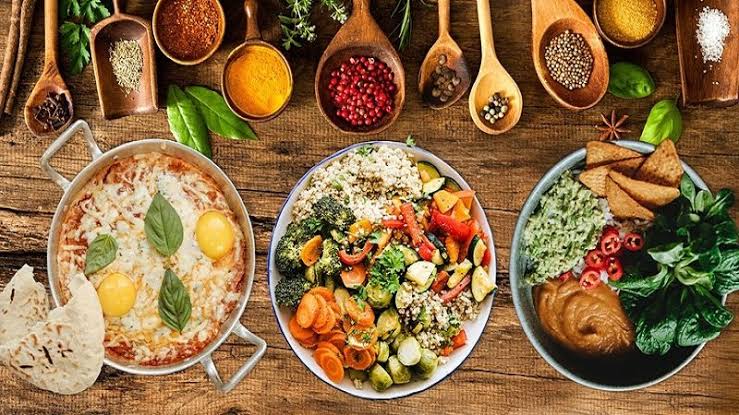
The Hidden Power of Traditional Food
Long before modern food and diet trends dominated our diets, our grandparents were already eating meals rich in both nutrition and significance.
Traditional foods in Kenya, ranging from managu, terere, wali wa nazi, mursik, and fermented ugali, were more than simply meals; they were also medicine, culture, and society.
Today, as manufactured foods dominate, it is time to revisit and rediscover the hidden potential in what our ancestors ate.
The Benefits of Traditional Food
- Rich Nutrient Density
Traditional meals frequently provide critical vitamins, minerals, fibre, lean protein, and healthy fats in more balanced amounts than modern processed diets.
- Prevention Of Nutrient Deficiency
Traditional diets often include foods high in micronutrients that are deficient in many modern diets (e.g., vitamin A, iron, zinc, calcium), which helps to prevent deficits.
- Cultural Identity, Psychological Well-Being
Traditional foods are heavily tied to heritage, rituals, community gatherings, ceremonies, and identity. Eating them strengthens cultural pride, intergenerational knowledge (elders teaching children recipes), community cohesion, and psychological well-being.
- Lowers Rates Of Chronic diseases
Traditional foods are frequently associated with lower rates of obesity, type 2 diabetes, heart disease, and some malignancies.
- Affordability
For many rural or peri-urban areas, traditional foods are frequently cheaper, more accessible, and better adapted to local soils and climates. They can offer an important buffer against food scarcity and price volatility.
Living in urban areas does not mean that you are restricted from taking traditional food; the way street food has taken over traditional food also needs to be embraced.
Visiting the local market and trying indigenous produce
The return to traditional eating begins where the food is, in local markets. These vibrant environments are rich in indigenous elements such as arrowroot, sorghum, sweet potatoes, kunde, managu, and millet flour. Exploring them not only reconnects you with local farmers, but also introduces you to forgotten flavours and foods that rarely appear on retail shelves.
Learn Traditional Cooking techniques from elders
Our elderly are walking libraries of culinary expertise. From slow-cooking methods to natural food preservation, they offer ancient skills that modern chefs can benefit from. Taking the time to cook with them or preserve their recipes helps to ensure that these traditions continue for future generations.
Mix Traditional and Modern Cuisines creatively
You don’t have to give up your favourite modern meals to enjoy traditional food; the key is fusion. By combining the two worlds, traditional meals become more appealing and relevant to modern tastes.
Traditional food is more than just a taste from the past; it is the way to a better, more grounded, and sustainable future.
Every indigenous ingredient tells a narrative of tenacity and wisdom, passed down through generations who understood balance long before nutrition labels and diet trends were invented.
These recipes were developed based on what the land offered, what the body required, and what the community valued.
Rediscovering traditional meals does not imply abandoning modern living, but rather finding harmony between old and new – merging ancestral knowledge with contemporary invention. In this way, we naturally nurture our bodies, proudly preserve our culture, and responsibly conserve our planet.