


The “Pamoja” AFCON 2027 Preparedness Test
Lessons from Morocco’s AFCON 2025
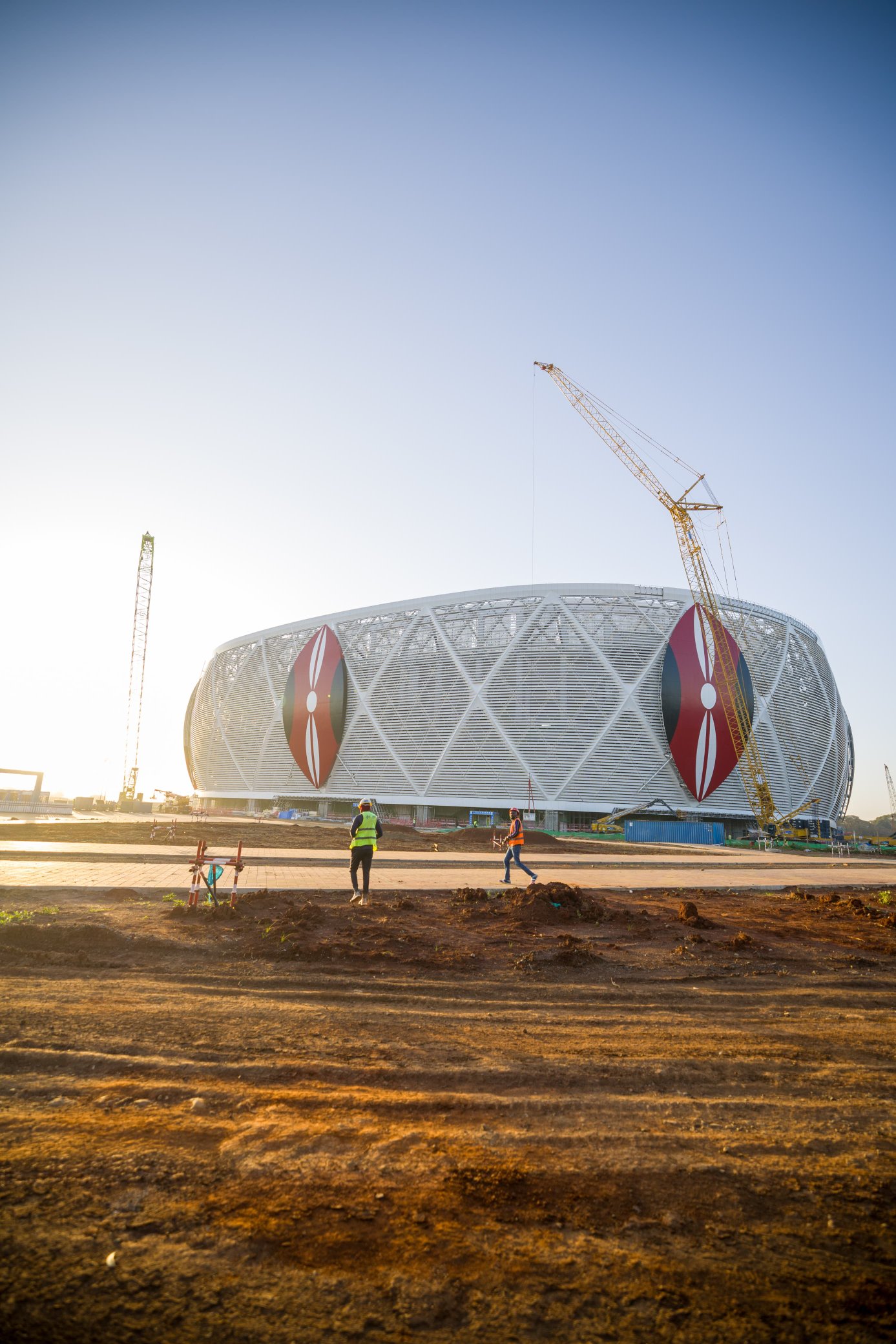
As AFCON 2025 draws to a close this weekend, Morocco has set a high standard for tournament hosting. The hosts, who reached the semi-finals alongside Nigeria, Egypt, and Senegal, delivered world-class stadiums and strong hospitality.
Morocco’s success did not happen by chance. The country entered the tournament with key infrastructure already completed. Stadiums were ready, tested, and operational well before kickoff. This readiness allowed organisers to focus on fan experience instead of crisis response.
Morocco’s preparation also aligns with its broader ambitions. The country will co-host the 2030 World Cup with Portugal and Spain, reinforcing its long-term investment in sports infrastructure.
East Africa’s Infrastructure Reality
Kenya, Uganda, and Tanzania face a different starting point. While all three countries have ongoing stadium projects, timelines remain tight and uncertain in some cases.
Morocco offers a clear lesson. Early completion matters more than size or cost. AFCON venues must be match-ready months in advance. This timeline allows stress testing, staff training, and security drills.
Without this buffer, organisers risk last-minute pressure that can undermine the event.
Transport and Fan Mobility Challenges
Transport remains another major test. Morocco benefited from strong road networks, rail links, and connected airports. Fans moved easily between host cities.
East Africa will need coordinated regional planning. Cross-border travel, road quality, limited rail links, and airport capacity all require attention. Fans, teams, and officials must move smoothly across Kenya, Uganda, and Tanzania during the tournament.
Without regional alignment, mobility could become a major bottleneck.
Hospitality and the Fan Experience
Morocco also excelled in hospitality. The country integrated accommodation, transport updates, ticketing systems, and city-level events. This approach created a seamless experience for visitors.
Kenya, Uganda, and Tanzania must build on existing tourism strengths. However, gaps remain in accommodation capacity, digital ticketing, and multilingual services.
Success will depend on collaboration. Governments, football federations, hotels, transport providers, and local communities must work together.
Morocco as a Reference Point, Not an Ideal
Morocco’s AFCON 2025 should serve as a practical benchmark. East Africa does not need to match Morocco’s financial muscle. It must replicate discipline, coordination, and commitment to readiness.
Planning, execution, and accountability will matter more than ambition alone.
What Makes AFCON 2027 Different
A Historic Regional First
AFCON 2027 will mark a historic moment. Kenya, Uganda, and Tanzania will co-host the tournament, the first time East Africa has staged the event in over five decades.
This model departs from the traditional single-country hosting format. It introduces complexity, but it also offers an opportunity for regional integration.
The Meaning Behind “Pamoja”
“Pamoja” means “together.” The term represents more than branding. It reflects a framework for shared infrastructure, political coordination, and cultural unity.
The Pamoja bid aligns with the East African Community’s broader goals. It promotes economic cooperation, social ties, and diplomatic collaboration.
CAF and the three hosts already tested this approach during the joint hosting of CHAN 2024. That tournament provided a rehearsal for larger continental events.
The Real Test Ahead
The central question is no longer ambition. It is discipline. Can Kenya, Uganda, and Tanzania meet strict timelines, align systems, and operate as one host under the Pamoja banner?
Another question remains just as critical. Will preparations prioritise long-term public benefit, or will they focus only on tournament-day success?
AFCON 2027 will test more than football facilities. It will measure regional cooperation, public accountability, and the ability to turn unity into action. When Africa’s spotlight turns to East Africa, Pamoja must prove itself through preparation, not promises.