


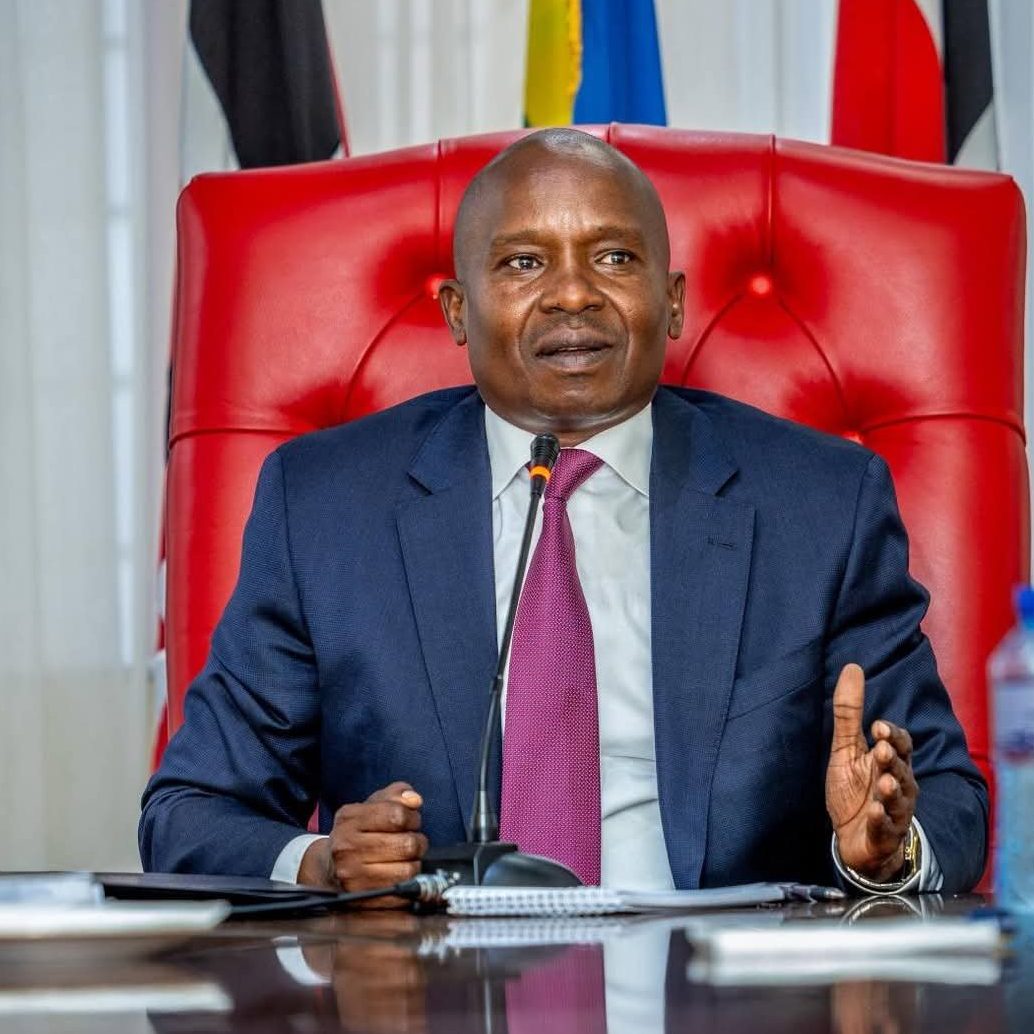
Deputy President Kithure Kindiki has outlined a series of government interventions aimed at cushioning Kenyans from an unprecedented spike in global fuel prices triggered by escalating geopolitical tensions between the United States, Israel, and Iran.
The disruption has significantly affected global oil supply chains, with the effective closure of the Strait of Hormuz forcing shipping routes to extend, while insurance premiums on maritime cargo have surged to record highs.
Global Supply Shock and Rising Fuel Costs
According to Kindiki, these global shocks have placed upward pressure on domestic fuel prices, threatening transport costs and broader economic stability. Without intervention, fuel prices were projected to rise as high as KSh 300 per litre.
To stabilize the situation, the government has already reduced Value Added Tax (VAT) on fuel from 16% to 8%, a fiscal adjustment aimed at immediately easing pump prices for consumers and businesses.
In addition, KSh 12 billion from the fuel stabilization fund has been deployed to cushion price increases and prevent further escalation in the short term.
Inter-Ministerial Coordination on Energy Crisis
DP Kindiki emphasized that these measures are part of a coordinated national response led by President Ruto, who has directed an inter-ministerial engagement involving the National Treasury, Energy, Transport, and Interior ministries.
The discussions are expected to identify additional policy and operational interventions to restore stability in the transport sector and ensure continuity in economic activity.
The DP has also urged calm among citizens, acknowledging the right to peaceful demonstration while strongly condemning acts of violence and destruction.
Authorities warned that criminal activities such as arson, obstruction of traffic, looting, and attacks on motorists will not be tolerated and will be met with firm legal consequences.
Kindiki reiterated that the current fuel crisis is driven largely by external geopolitical forces beyond Kenya’s control.