

The Ministry of Gender, Culture and Children Services has raised concern over the increasing cases of Gender-Based Violence (GBV), femicide, and abuse against children across the country.
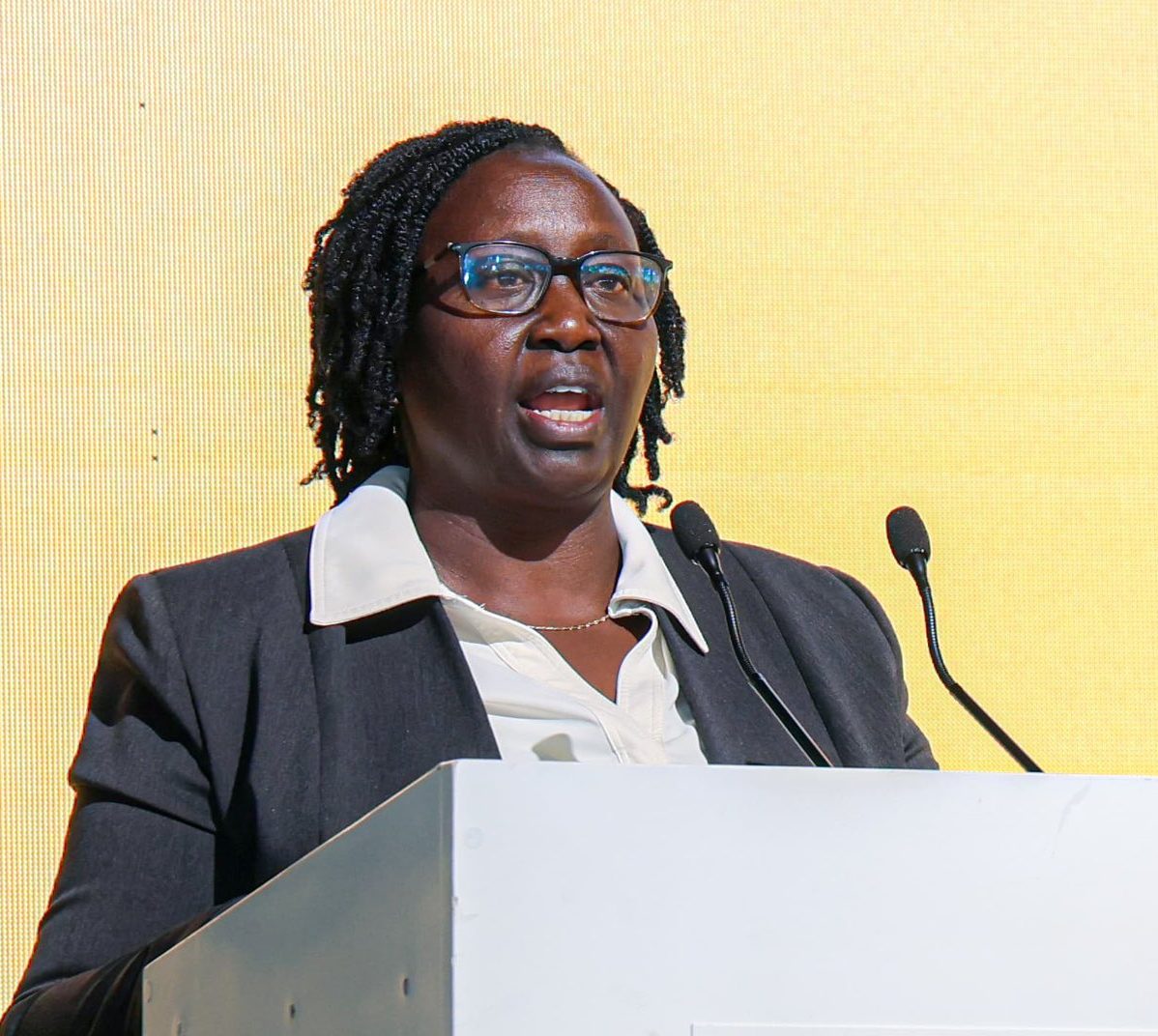
In a statement released on May 18, Cabinet Secretary Hanna Wendot said the Government remains committed to strengthening child protection systems and safeguarding vulnerable persons from violence, exploitation, and neglect.
Recent Cases Spark Concern
The Ministry cited several recent incidents that have sparked public outrage. Among them is the case of Rachael Wandeto, who was reportedly doused with petrol and set ablaze over alleged political differences.
The statement also referenced the Kilimani incident where a 25-year-old woman was stabbed to death while seeking refuge at a pharmacy, as well as the Nyamira case involving a Form Three student allegedly stabbed by her boyfriend before he later died by suicide.
According to CS Wendot, the incidents are not isolated cases but signs of deeper societal problems that require coordinated action from both government institutions and the public.
“The Government of Kenya remains firmly committed to protecting all children and all persons from every form of violence, abuse, neglect, exploitation, emotional harm, and indignity,” said Wendot.
Government Response and Policy Measures
CS Hanna Wendot emphasized that protecting children is both a constitutional obligation and a collective national responsibility involving families, schools, communities, leaders, and institutions.
To address the crisis, the government is implementing a multi-sectoral strategy focused on four key areas.
These include strengthening legal and justice systems through faster prosecutions and stricter penalties for perpetrators, expanding survivor support infrastructure, increasing public awareness campaigns against harmful social norms and improving coordination among institutions handling GBV and child protection matters.
The Gender CS also announced plans to strengthen mandatory reporting protocols for teachers, health workers, pharmacists, media practitioners, and community leaders.
Members of the public are urged to report cases of abuse, violence, trafficking, or exploitation through the National Child Helpline 116, the GBV toll-free line 1195, police stations, or local children’s offices.
CS Wendot further cautioned the public against spreading unverified information online, warning that such actions may compromise investigations and expose victims to further harm.
At the same time, the Ministry called on the Judiciary, county governments, the private sector, media practitioners, and citizens to play a more active role in combating GBV and protecting children.
“The fight against Gender-Based Violence and child abuse is a collective national duty,” added CS Wendot.