


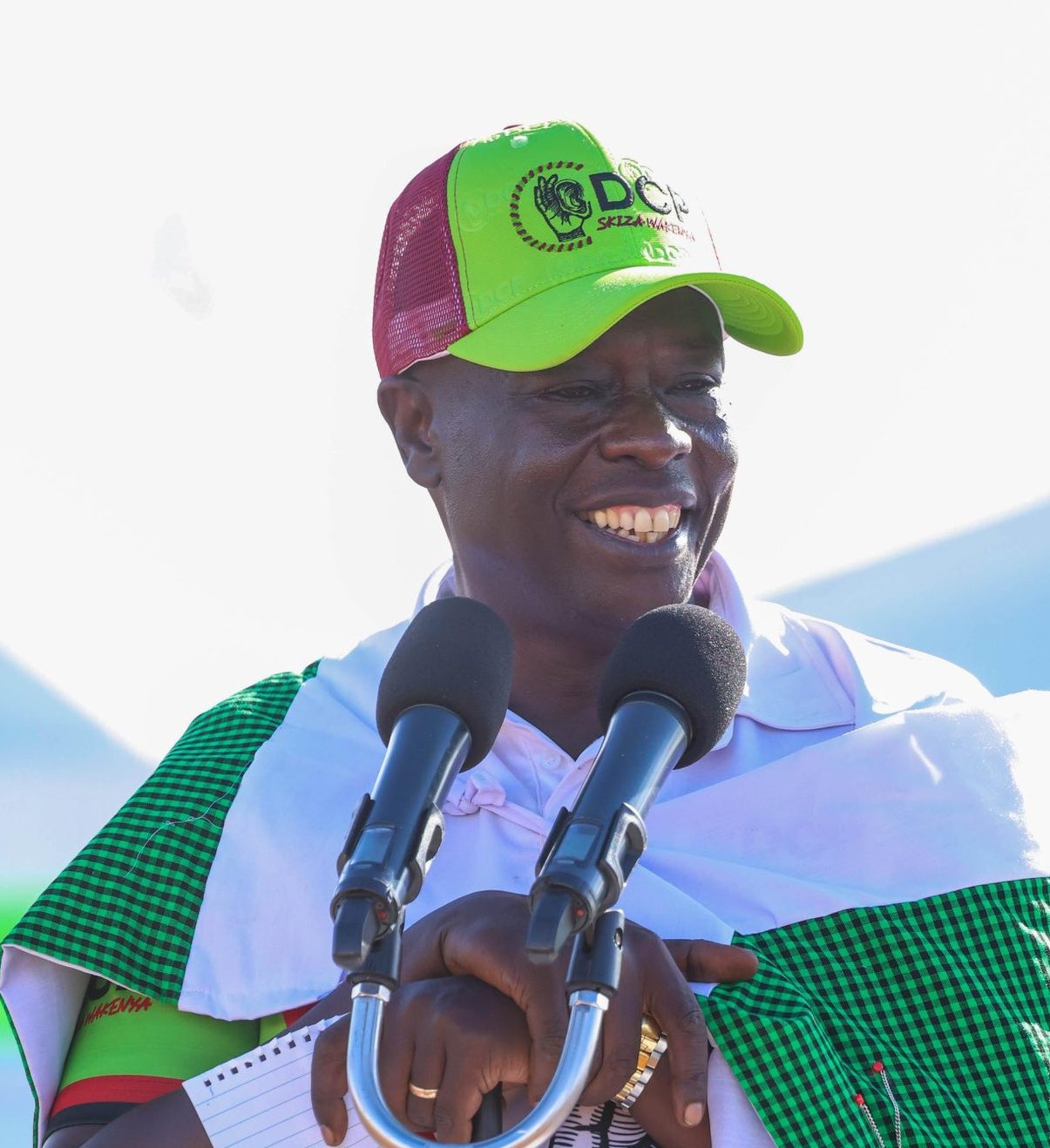
Former Deputy President Rigathi Gachagua has raised serious allegations against the government and private partners over oil arrangements in Turkana, claiming the existence of irregular financial structures that could disadvantage local communities.
In his remarks, Gachagua alleges that the deal involving Gulf Oil and the administration of President William Ruto is built around what he terms a “false or forced debt” that inflates production costs and diverts long-term benefits away from residents.
According to the claims, the arrangement linked to Gaff Oil and state-linked actors is said to have been misrepresented as a KSh 350 billion ownership obligation.
Gachagua, however, alleges that the actual transaction value was closer to USD 120 million (approximately KSh 15.6 billion), describing the higher figure as misleading and designed to justify inflated repayments over time.
He further claims that the structure of the agreement effectively locks Turkana oil production into a decade-long repayment cycle, where each barrel is assigned a notional cost of USD 100.
Under this alleged framework, USD 85 per barrel would be directed toward servicing the purported debt, leaving only USD 15 for distribution among stakeholders.
Revenue Allocation Claims and Distribution Breakdown
Gachagua alleges that the remaining proceeds are further divided in a manner that significantly limits local benefit.
He claims 75% would go to the national government, 20% to Turkana County, and 5% to the local community.
He describes this distribution as highly inequitable, arguing that it reduces meaningful local participation in resource wealth generated within the region.
He also alleges that political and institutional capture has weakened oversight, claiming that most elected representatives from Turkana have been compromised, with the exception of the senator, limiting accountability and public debate on the issue.
Community Impact and Development Concerns
Gachagua argues that the Turkana oil reserves have the potential to transform the region through infrastructure developments.
However, he claims that the current arrangement diverts these opportunities away from the community and concentrates benefits among political and private actors.
In his remarks, Gachagua urged residents of Turkana to resist further exploration and exploitation of oil resources until what he describes as fair and transparent negotiations are conducted.