
Sunday, June 28, 2026
Google search engine
Home Blog Page 34

KIM Moves to Reassure Students Amid TVETA Accreditation Concerns

0

The Kenya Institute of Management (KIM) has issued a formal update to students following a public notice by the Technical and Vocational Education and Training Authority (TVETA), addressing concerns over regulatory and accreditation matters affecting learners enrolled between 2018 and the present.

In a statement dated April 21, 2026, the college acknowledged ongoing negotiations with officials while attempting to ease student concerns. The statement emphasizes KIM’s commitment to consistency and openness throughout the process.


Engagement With Regulators Intensifies
The institution confirmed that it is actively engaging both TVETA and the Ministry of Education to resolve the issues raised. The institution framed this as a structured process aimed at safeguarding students’ academic progress and qualifications.

“Our management is in active communication with the Ministry of Education and TVETA to resolve the administration accreditation concerns raised,” the notice states.

This proactive alignment implies a concerted institutional reaction, which would most likely include compliance assessments, paperwork verification, and conformity with Kenya’s regulatory frameworks for technical and vocational education.


Continuity of Services and Student Support
Despite the uncertainty, KIM emphasized that its operations remain uninterrupted. Administrative offices are open, and student support services continue to function as usual.

“Our offices remain open to provide you with support and guidance,” the institution noted, adding that students can directly contact support teams via official communication channels, including WhatsApp.

This assurance is critical in maintaining institutional stability and preventing disruption to academic timelines, particularly for students nearing completion of their programs.

KIM Moves to Reassure Students Amid TVETA Accreditation Concerns
Next Steps and Communication Strategy
The institution has stated that further information will be provided through the scheduled meeting, but exact deadlines were not disclosed. Students have been instructed to only rely on official communication channels for information.

“We will be holding a meeting later to provide more details. Keep an eye on our official communication channels,” the notice states.

This controlled communication approach reflects an effort to manage information flow and avoid misinformation during a sensitive regulatory review period.


Commitment to Student Outcomes
The Kenya Institute of Management (KIM) has pledged to ensure that students affected by the ongoing regulatory concerns receive full recognition for their academic work, addressing fears over the validity of their qualifications.

The institution stated that all students enrolled from 2018 to the present will be considered in efforts to safeguard their certification and academic progress.

However, the final outcome will depend on ongoing engagements with the Technical and Vocational Education and Training Authority and the Ministry of Education, as compliance and accreditation issues are resolved.


Leadership Reassurance Amid Uncertainty
The statement acknowledged the emotional strain the situation may be placing on students while emphasizing the institution’s focus on managing the issue responsibly.

KIM expressed appreciation for students’ patience as it works toward a resolution that safeguards their academic interests and future prospects.

The institution also cited its long-standing record in professional training, which spans decades, as a reason for confidence in its capacity to overcome contemporary regulatory issues.

While regulatory issues remain unresolved, KIM’s communication demonstrates a strategy centered on reassurance, operational continuity, and regulatory engagement. The upcoming weeks, particularly the scheduled stakeholder conference, will be critical in deciding both compliance results and the academic status of affected students.


Student Burnout: The Hidden Struggle in Higher Education

In today’s competitive higher education environment, many students are quietly struggling under increasing academic demands, tight deadlines, and constant pressure to succeed.

Long study hours, strict assessment systems, and expectations from family and society have made exhaustion feel normal rather than alarming. Behind the pursuit of high grades lies a growing mental health crisis that often goes unnoticed.

Understanding Student Burnout
Student burnout is defined as physical, emotional, and mental exhaustion caused by prolonged academic stress. It develops gradually and is often overlooked until it significantly affects a student’s well-being and performance.
What Causes Student Burnout?
Student burnout results from a combination of academic, financial, institutional, and lifestyle pressures that accumulate over time. These factors often interact, creating a cycle of exhaustion that many students struggle to break.
Academic Pressure
Academic demands in higher education are often intense and continuous, leaving students with little time to rest between tasks. Continuous assessments, tight deadlines, and heavy workloads create a constant sense of urgency. Over time, this sustained pressure leads to significant mental and emotional exhaustion.
Financial Strain
For many students, financial challenges directly affect their academic performance. Pressure to pay tuition fees on time creates stress and uncertainty, while additional costs such as transport, accommodation, and learning materials add to the burden.
Institutional Gaps
Institutional structures and support systems also play a role in student burnout. Limited access to counseling services means that many struggling students do not receive timely mental health support.
Imbalanced Lifestyle
Beyond academic and financial pressures, many students struggle to maintain a healthy daily routine. Sleep deprivation is common, especially during examination periods and assignment deadlines. As stress increases, some students withdraw socially and isolate themselves from friends and support networks.
Student Burnout: The Hidden Struggle in Higher Education
Risk Factors in the University Environment
The university environment contains several conditions that contribute to chronic stress among students. Constant assessments, frequent assignments, and tight deadlines create a high-pressure academic culture.

However, not all students are affected in the same way. Personal traits such as perfectionism, low self-esteem, or unrealistic self-expectations can worsen the impact of academic stress. Financial instability and weak social support systems also increase vulnerability to burnout.

Impact on Mental Health and Academic Performance
Student burnout has serious consequences for both mental health and academic success. When stress becomes persistent and unmanaged, it begins to affect how students think, feel, and engage with their studies.

Increased anxiety and chronic stress: Ongoing academic and financial pressure can lead to heightened anxiety, leaving students feeling overwhelmed and constantly worried about meeting expectations.

Depression and emotional exhaustion: Prolonged burnout may result in feelings of hopelessness, emotional numbness, and loss of motivation, significantly affecting overall well-being and daily functioning.

Decline in academic performance: Mental fatigue and poor concentration often lead to missed deadlines, low exam performance, reduced participation in class, and declining grades.

Reduced motivation and academic disengagement: In severe cases, students may lose interest in their studies, withdraw from academic activities, or consider deferring or dropping out altogether.


Coping Mechanisms

Despite the growing challenge of burnout, many students adopt different coping strategies to manage stress and maintain both academic performance and mental well-being.

A common approach is reliance on peer support groups, where friends or study groups provide emotional support and a sense of belonging, helping students feel less isolated during stressful periods.

Others use time management strategies, such as organizing schedules, prioritizing tasks, and breaking large workloads into smaller, manageable sections to reduce pressure and improve productivity.

Some students seek professional counseling services for mental health support, although others avoid them due to stigma, fear of judgment, or lack of awareness, creating a gap between available support and actual use.

Student burnout is a silent but growing challenge in higher education that affects both learning and mental well-being. Addressing it requires a collective effort from institutions, lecturers, and students to create a healthier and more supportive academic environment.


KNRA Rolls Out Mandatory Radiation Monitoring for All Cargo Movements

0

The Kenya Nuclear Regulatory Authority (KNRA) has issued a notice to importers, exporters, and licensed cargo agents, adopting stronger cargo screening and compliance requirements to improve nuclear and radiological safety at all Kenyan ports of entry and exit.

Established under Section 5 of the Nuclear Regulatory Act, Cap 243 of the Laws of Kenya, KNRA is mandated to regulate the safe, secure, and peaceful use of atomic energy and nuclear technology. Its mandate also covers radiation sources and radioactive waste management. The latest directive outlines enhanced protocols for both containerized and non-containerized cargo.

Mandatory Cargo Screening
KNRA has mandated that every cargo entering or departing the country undergo specialized screening. The technique is intended to detect and prevent the illegal trafficking of unique nuclear materials and other hazardous substances.

The Authority underscores that this step is important to ensuring national security, public health, and conformity with international nuclear safety standards.

Containerized goods will be needed to pass through radiation portal monitors established at important locations such as the Port of Mombasa and Inland Container Depots. These devices detect gamma and neutron radiation using non-intrusive, high-sensitivity equipment that does not hinder cargo transportation.

KNRA further requires that all legitimate shipments containing radioactive materials must be accompanied by a valid KNRA import license. Importers must also ensure accurate documentation, including the correct Harmonized System (HS) codes, to support proper classification and verification.

KNRA Rolls Out Mandatory Radiation Monitoring for All Cargo Movements
Operational Requirements for Stakeholders
Importers, exporters, and licensed cargo agents have been required to follow strict operational rules at ports and depots. Truck drivers and terminal operators must adhere to established traffic flow patterns to avoid evading security checks.

The Authority has also emphasized the necessity of complete collaboration with KNRA personnel and multi-agency teams to achieve timely cargo clearance and reduce delays. Effective cooperation is intended to increase productivity while upholding security standards.


Verification Fees and Compliance Obligations
KNRA confirmed that verification costs would be charged in accordance with the Third Schedule of Legal Notice 160. Stakeholders ought to familiarize themselves with the appropriate costs and ensure compliance during cargo processing and licensing procedures.

Failure to comply with the indicated standards may result in delays, fines, or enforcement action, as specified by the regulatory framework.

The directive will take effect on 1st May 2026, allowing stakeholders sufficient time to align their operations with the new requirements. KNRA has encouraged importers, exporters, and agents to seek clarification where necessary through its port offices or headquarters.


Strengthening Nuclear Security and Trade Efficiency
Overall, the new measures reflect KNRA’s commitment to strengthening nuclear security while facilitating legitimate trade.

By integrating advanced screening technology, improving documentation standards, and reinforcing inter-agency coordination, the Authority aims to reduce the risk of illicit trafficking while ensuring smooth and secure cargo movement across Kenya’s borders.


The Increasing Burden of Diabetes Worldwide

0

Diabetes is a major global public health concern, affecting millions of people across all age groups and lifestyles. The disease continues to rise due to a combination of genetic, environmental, and lifestyle factors, placing increasing pressure on healthcare systems, economies, and families worldwide.


What Is Diabetes?
Diabetes is a chronic medical condition that occurs when blood glucose (sugar) levels become too high. This happens when the pancreas does not produce enough insulin, produces none at all, or when the body becomes resistant to insulin.

Diabetes affects individuals of all ages. Most forms are lifelong (chronic), but they can be effectively managed through medication, lifestyle changes, and continuous monitoring.

World Diabetes Day is observed annually on November 14th to raise global awareness about diabetes, emphasizing the importance of prevention, diagnosis, and proper management.

According statistics, approximately 830 million people are living with diabetes, with the majority residing in low- and middle-income countries. More than half of these individuals are not receiving the treatment they need.


Types of Diabetes
Diabetes presents in several forms, each with distinct causes, risk factors, and severity levels.
Prediabetes
Prediabetes is a condition in which blood sugar levels are higher than normal but not high enough for a diagnosis of diabetes. It serves as an early warning stage and can often be reversed through lifestyle changes such as improved diet, weight management, and increased physical activity.

Type 1 Diabetes
Type 1 diabetes is an autoimmune condition in which the immune system attacks insulin-producing cells in the pancreas. It is commonly diagnosed in children and young adults and requires lifelong insulin therapy.
Type 2 Diabetes
Type 2 diabetes is the most common form of the disease. It is often linked to lifestyle factors such as poor diet, physical inactivity, and obesity. It occurs when the body becomes resistant to insulin or does not produce enough of it.
Gestational Diabetes
This type develops during pregnancy when the body cannot produce enough insulin to meet increased demands. It usually resolves after childbirth but increases the risk of developing Type 2 diabetes later in life.
The Increasing Burden of Diabetes Worldwide
Symptoms and Causes of Diabetes
Symptoms
Common symptoms of diabetes include:
  • Increased thirst (polydipsia) and dry mouth
  • Frequent urination
  • Fatigue
  • Blurred vision
  • Unexplained weight loss
  • Numbness or tingling in the hands or feet
  • Slow-healing wounds or sores
  • Frequent skin or vaginal infections

Causes and Risk Factors
Diabetes develops due to a complex interaction of genetic, environmental, and lifestyle factors. In most cases, multiple risk factors contribute to its onset.
Genetics and Family History: Having a close family member with diabetes increases the risk due to inherited genetic factors that influence insulin production and function.
Physical Inactivity: A lack of regular exercise reduces the body’s ability to use insulin effectively, increasing blood sugar levels over time.
Obesity: Excess body weight, particularly abdominal fat, is strongly associated with insulin resistance. Even modest weight loss can significantly reduce risk.
Age and Stress: The risk of Type 2 diabetes increases with age, particularly after 40. Chronic stress may also disrupt hormone balance and affect blood sugar regulation.

Management and Treatment
Diabetes requires lifelong and individualized management. Effective control helps prevent complications and improves quality of life.

Blood Sugar Monitoring
Regular monitoring of blood glucose levels helps individuals understand how diet, medication, and activity affect their condition, allowing timely adjustments.

Oral Medications
Oral drugs are commonly used in Type 2 diabetes to improve insulin sensitivity, reduce glucose production in the liver, and slow carbohydrate absorption.

Insulin Therapy
Insulin is essential for individuals with Type 1 diabetes and may also be required in advanced Type 2 cases. It helps regulate blood sugar by allowing glucose to enter cells for energy.

Dietary Management
A balanced diet plays a central role in diabetes control. It emphasizes vegetables, whole grains, lean proteins, and limits processed and sugary foods. Portion control is also important.

Early diagnosis and strict adherence to treatment significantly reduce the risk of severe complications associated with diabetes. With proper education, lifestyle modification, and consistent care, individuals living with diabetes can lead healthy, productive, and fulfilling lives.


KIM Responds to TVETA Notice on Campus Closure and Accreditation Revocation

The Kenya Institute of Management (KIM) has issued a clarification regarding its accreditation status following the circulation of a public notice by the Technical and Vocational Education and Training Authority (TVETA) announcing the revocation of accreditation and closure of its campuses.

In a press release issued on April 20, 2026, The Kenya Institute of Management (KIM) accepted the warning and sought to reassure stakeholders, including students, alumni, partners, and the general public, that the situation is being handled with haste and seriousness.

The institution stressed that it is actively evaluating the contents of the notice and working with relevant regulatory organizations to identify the best course of action within the legal framework.

Students and education stakeholders are concerned about the development, especially considering KIM’s longstanding involvement in Kenya’s professional and academic environment. The institution, founded in 1954, has earned a reputation for developing management techniques and professional development across the country.

Regulatory Engagement Ongoing
According to the statement, KIM is presently consulting with authorities to resolve the problems identified in the TVETA notification. While the statement did not include specifics on the revocation, it did highlight the institution’s commitment to due process and regulatory compliance.

The institution has encouraged stakeholders to remain calm and only utilize official communication channels for confirmed updates, cautioning against disinformation that might generate excessive fear. This strategy demonstrates a desire to retain institutional stability while negotiating a potentially challenging regulatory situation.

The engagement between KIM and TVETA highlights the critical role regulatory bodies play in maintaining standards within Kenya’s education and training sector. Accreditation ensures that institutions meet required benchmarks for quality and operational integrity, making compliance a key aspect of institutional credibility.

KIM Responds to TVETA Notice on Campus Closure and Accreditation Revocation
Commitment to Transparency
KIM reaffirmed its commitment to openness and prompt communication as the crisis progressed. The institution claimed that it will continue to provide stakeholders with updates as new information becomes available, confirming its position as a responsible and accountable enterprise.

The statement also emphasized KIM’s longstanding dedication to professionalism, ethics, and openness, which it claims now guides its operations and stakeholder engagement. This statement appears to be intended to maintain public trust in the face of uncertainties around accreditation.


Impact on Students and Sector

Although no immediate directions have been made addressing students or ongoing programs, the situation is expected to have consequences for students registered at KIM campuses. Questions about continuing studies, certification, and institutional status are anticipated to dominate negotiations until a resolution is achieved.

In a broader sense, the event highlights regulatory control in Kenya’s education system, notably technical and vocational training. It also raises concerns about how institutions handle compliance issues and communicate with stakeholders during times of uncertainty.

As discussions between KIM and regulatory authorities continue, the outcome will be closely monitored by students, professionals, and policymakers alike. The resolution of the matter will not only determine the institution’s operational future but may also influence broader conversations on governance and accountability in the education sector.

For now, KIM maintains that it is fully engaged in resolving the issue and has called for patience and continued trust from its stakeholders as the process unfolds.


KRA Issues Guidance on Instalment Tax Payments for Companies

0

The Kenya Revenue Authority (KRA) has presented a simplified method to understanding instalment tax, with the goal of assisting companies in better managing their tax responsibilities while also enhancing compliance and financial planning.

Instalment tax is a system that requires businesses to pay their corporate income tax in four equal installments during their accounting period. Rather than settling the whole tax bill at the end of the year, companies are expected to make advance payments by the 20th day of the fourth, sixth, ninth, and twelfth months of their fiscal year.

This technique is intended to reduce the burden of lump-sum payments and allow firms to spread out their tax liabilities over time.

Structured Payments Improve Planning
According to the guidelines, instalment tax is vital for firms to ensure predictable cash flow. Companies that distribute payments equally throughout the year are better positioned to minimize financial strains at year-end.

The solution also improves compliance by ensuring that taxpayers adhere to regulatory timeframes. Furthermore, it relieves pressure on firms that might normally struggle to raise big sums in a single payment.

For example, a company with an annual accounting period running from January to December would make its instalment payments in April, June, September, and December. Each instalment represents a portion of the estimated total tax payable for that year.

Balancing Tax at Year-End
When the accounting period ends, businesses must establish their real tax due. If there is a discrepancy between the instalment payments and the final tax amount, the balance must be paid by the last day of the fourth month after the accounting period.

In practical terms, a company whose financial year ends in December must pay any outstanding balance by April 30 of the following year.

For instance, if a company’s total tax liability for 2025 amounts to Ksh 150,000 and it has already paid Ksh 110,000 through instalments, the remaining Ksh 40,000 must be cleared by April 2026.

KRA Issues Guidance on Instalment Tax Payments for Companies
Filing Requirements and Compliance
Companies must complete the filing process in addition to making payments. This includes evaluating their financial records and submitting the corporate income tax return, often known as IT2C, using the iTax platform.

The return must be filed after the end of the accounting period, with the final tax payment made within the same four-month period. Failure to satisfy these responsibilities will result in sanctions. Late payment incurs a 5% penalty on the tax payable, as well as a 1% monthly interest charge until the amount is entirely paid.

KRA has underlined the necessity of meeting deadlines to minimize extra expenses and compliance challenges.

A Shift Towards Smarter Tax Management
The installment tax structure is part of KRA’s larger aim to encourage firms to handle their taxes more proactively. By encouraging progressive payments, the authority hopes to improve financial discipline and lower the danger of default.

For businesses, the method provides a disciplined and predictable approach to meeting tax responsibilities without affecting operations. It also better matches tax payments with income creation cycles, making it easier to manage money throughout the year.

As regulatory enforcement tightens and compliance standards improve, installment tax is becoming an increasingly important part of business financial planning.

KRA views instalment tax as a realistic means for enterprises to preserve stability, avoid fines, and remain compliant in a changing tax climate.


Traffic Advisory Issued for JKIA–Elephant Roundabout Highway Stretch

0

The Kenya National Highways Authority (KeNHA) has announced a partial closure of the A8/B10 Highway between the JKIA turn-off and the JKIA Elephant Roundabout to allow for scheduled highway repair work.

The impacted stretch is a major transportation corridor that serves Jomo Kenyatta International Airport (JKIA) as well as surrounding business and industrial areas. The road handles a high volume of both passenger and cargo traffic, making the planned improvements especially important for motorists and logistics users.

Duration: Friday, April 10, 2026, to Sunday, April 19, 2026.
Time: Every night between 10:00 pm and 5:00 am.
Night Works to Limit Daytime Disruption
According to KeNHA, the decision to carry out maintenance at night is aimed at minimizing disruption during peak daytime hours when traffic volumes are highest. The works will involve partial closures, with only sections of the carriageway closed at any given time to maintain traffic flow.

This gradual strategy is anticipated to reduce congestion and avoid a total shutdown of the busy roadway, which serves as a crucial connection for airport access and regional mobility.

The authority stated that the repair work is part of continuous efforts to improve road infrastructure, increase safety, and extend the lifespan of the route. Regular maintenance is deemed necessary to guarantee that the route stays efficient and capable of managing increased traffic demand.

Traffic Advisory Issued for JKIA–Elephant Roundabout Highway Stretch
Motorists Advised to Follow Traffic Guidelines
KeNHA has urged motorists to comply with the proposed traffic management plan during the period of the closure. Police officers and traffic marshals will be stationed along the affected section to guide vehicles and ensure orderly movement.

Drivers are also encouraged to plan their journeys in advance, allow for extra travel time, and exercise caution while approaching the construction zones. Observing road signage and instructions from authorities will be critical in maintaining safety for both motorists and workers on site.

The authority further reassured the public that normal traffic operations will resume immediately upon completion of the maintenance works.

The partial closure highlights the balancing act between infrastructure maintenance and maintaining mobility along key economic corridors. With JKIA serving as a major gateway into the country, ensuring the reliability of access roads remains a top priority.

KeNHA continues to invest in the upkeep and modernization of national highways as part of broader efforts to support economic growth, trade, and connectivity across Kenya.


ODM Raises Concern Over UDA Remarks Amid Growing Political Strain

0

The Orange Democratic Movement (ODM) has released an ambitious political and organizational roadmap during a Central Committee meeting on April 16, 2026, as the party prepares for the next general election cycle.

The conference, headed by party chairman Oburu Oginga, was the second this year and focused on both internal party issues and the larger national political context. Party leaders evaluated accomplishments since their January meeting and expressed satisfaction with recent milestones, like as the successful National Delegates Convention in Nairobi in late March.

Party Structures and Grassroots Elections
The ODM Central Committee complimented the National Delegates Convention for being well-organized and incident-free. The summit also praised the National Elections Coordinating Committee (NECC) for managing grassroots elections that have already covered 98 percent of the country.

The near-completion of these elections is viewed as a vital step in strengthening internal democracy and establishing party structures at the local level. Party leadership asked members in regions with unsettled elections to use internal dispute resolution processes to expedite the process.

The effort to complete grassroots polls exemplifies ODM’s overall goal of strengthening its base ahead of increased political action predicted in the run-up to national elections.


ODM Raises Concern Over UDA Remarks Amid Growing Political Strain
Youth Mobilization and Nationwide Outreach
As part of its activation strategy, ODM announced intentions to hold a series of youth conventions in 25 counties. The project seeks to revitalize and reenergize the party, particularly among young people.

The first of these engagements is set on April 20 in Nairobi, followed by April 26 in Mombasa. More counties will be revealed in the following weeks.

The youth-focused outreach demonstrates ODM’s desire to broaden its popularity and improve its grassroots presence, particularly among populations that are becoming more significant in Kenya’s political environment.


Commitment to Internal Democracy
The Central Committee reiterated its commitment to holding free and fair nominations for the general election. Party leaders stressed that there will be “no sacred cows,” indicating a competitive nomination process for all elected seats.

In accordance with this, the party’s National Secretariat is planned to develop an application platform for hopefuls seeking ODM tickets, aiming to improve openness and accessibility in the nomination process.

This strategy is expected to affect internal party dynamics while also establishing ODM as a party dedicated to democratic ideals and accountability.


Tensions Within Coalition Politics
ODM also addressed its relationship with its broad-based partner, the United Democratic Alliance (UDA), expressing reservations over some UDA officials’ recent public utterances.

The Central Committee criticized “unwarranted utterances” that might cause worry among ODM supporters, and urged mutual respect within the alliance.
The statements highlight underlying issues inside the political arrangement, despite the fact that both parties continue to work together on critical national problems.

Beyond party matters, ODM weighed in on the country’s economic situation, particularly the rising cost of fuel. While acknowledging the global nature of the crisis, the party urged the government to intensify measures aimed at cushioning citizens from the impact of high energy prices.

Additionally, ODM noted progress in the implementation of agreements tied to the NADCO report, specifically the allocation of KSh 2 billion in the supplementary budget to compensate victims of police brutality and protests.

The party called on the Kenya National Commission on Human Rights to expedite the compensation process and ensure affected families receive timely support.

With a renewed focus on grassroots mobilization, youth engagement, and internal reforms, ODM appears to be recalibrating its strategy as Kenya’s political environment gradually shifts toward the next electoral cycle.


KeNHA Issues Advisory After Flooding Disrupts Mai Mahiu–Suswa–Narok Road

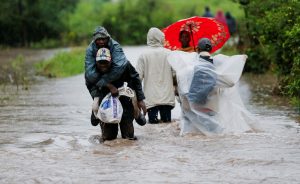
The Kenya National Highways Authority (KeNHA) has issued a public advisory in response to floods and silt deposition along portions of the Mai Mahiu-Suswa-Narok (B7) Road, which disrupted traffic flow and raised safety concerns among motorists.

The Authority affirmed in a statement issued on April 16, 2026, that the impacted regions are near Kedong Ranch in Suswa, where persistent heavy rainfall has resulted in water buildup and debris deposits on the route. KeNHA stated that reaction teams have already been deployed and are trying to clear the damaged areas and restore regular traffic flow.

Emergency Response Underway
KeNHA stated that attempts to reopen the road are underway, with engineers and road maintenance staff working around the clock to clear silt and assure the safety of the highway. The Authority stressed its commitment to minimize interruption while ensuring road users’ safety.

The flooding disaster demonstrates the vulnerability of key transport corridors to harsh weather conditions, especially during periods of heavy rainfall. The Mai Mahiu-Suswa-Narok road connects Nairobi and Narok County, making it crucial for both passenger and commercial transportation.

Motorists Urged to Exercise Caution
Motorists have been strongly advised to avoid driving through flooded sections of the road, as this poses significant risks including vehicles being swept away or getting stuck in silt deposits. KeNHA stressed the importance of adhering to instructions issued by police officers and traffic marshals stationed along the affected areas.

Particular caution has been urged for drivers traveling between Naivasha Inland Container Depot (Km 14) and Suswa Ranch (Km 39), where conditions remain especially hazardous due to ongoing rainfall and reduced road visibility.

The Authority reiterated that driver compliance with safety directives is crucial in preventing accidents and ensuring smooth coordination of emergency response efforts.

KeNHA Issues Advisory After Flooding Disrupts Mai Mahiu–Suswa–Narok Road

Alternative Route Recommended

For motorists yet to begin their journeys, KeNHA has recommended the use of the Narok–Njoro–Nakuru (B18) Road as a safer alternative. This diversion is expected to ease congestion on the affected B7 route while allowing repair works to proceed without additional pressure from traffic buildup.

Transport stakeholders, including logistics operators and public service vehicle providers, are encouraged to adjust their travel plans accordingly to avoid delays and potential safety risks.

Commitment to Road Safety and Restoration
KeNHA assured the public that it is fully prepared to respond to the issue and restore regular traffic flow as soon as possible. The Authority reiterated its continuous commitment to maintaining road infrastructure and safeguarding the safety of all users, especially during bad weather.

As heavy rains continue to impact various parts of the country, the event serves as a reminder of the value of resilient infrastructure and smart traffic management. KeNHA’s prompt reaction seeks to reduce hazards while preserving the integrity of one of the region’s essential transportation routes.
Motorists are encouraged to keep informed via official communication channels and plan their trips with prudence as restoration activities continue.


Safaricom Promises Improvements Following My OneApp Rollout Challenges

0

Safaricom PLC has issued a statement to its valued customers following severe issues with its newly introduced My OneApp platform, acknowledging service disruptions and a poor user experience that fell short of expectations.

In a statement dated April 16, 2026, the teleco stated that many users, particularly those in the diaspora and on roaming services, had trouble using the app. The company also stated that some customers were immediately transferred to the new platform via device auto-updates, which exacerbated the frustrations.

“To our customers, we owe you a sincere apology over the new My OneApp. We are sorry for giving you a poor experience,” the company said.

The apology underscores growing customer dissatisfaction with the rollout, which was intended to consolidate services into a single, streamlined digital platform. Safaricom conceded that the transition did not meet the promised standards, stating that the experience delivered was not aligned with its commitment to seamless and reliable service.

Digital Ambition Meets User Challenges
The My OneApp platform was developed as part of Safaricom’s broader digital transformation agenda, designed to integrate services such as M-Pesa, airtime management, and customer support into a unified interface. The company emphasized that the goal was to simplify user journeys, enhance security, and improve overall customer experience.

“We built My OneApp to serve you better, bringing all Safaricom services into one place, with simple journeys, improves security and offering a better customer experience,” the company said.

However, initial user feedback has shown severe usability and accessibility concerns, indicating a disconnect between design objectives and real-world performance. The recognition of these problems marks a watershed moment for Safaricom as it navigates the intricacies of large-scale digital deployment.

Safaricom Promises Improvements Following My OneApp Rollout Challenges
Customer Feedback Drives Urgent Response
Safaricom indicated that it has actively collected user feedback and is prioritizing issue resolution. According to the statement, technical teams are working continuously to address system inefficiencies and ensure stability across different user environments, both locally and internationally.
“We have gathered all the feedback, and we are treating your concerns with urgency, “ reads the statement.

The company’s response plan appears to be centered on speedy repair, with an emphasis on regaining user confidence.

By addressing particular pain areas such as login issues and forced relocation, the teleco aims to demonstrate responsiveness and responsibility.

In addition to backend changes, Safaricom has strengthened its customer support infrastructure. Users are urged to seek assistance through a variety of channels, including physical retail locations, representatives from customer service, and digital communication platforms.

Operational Support and Service Recovery
Safaricom emphasized that its support network, which includes retail stores and authorized dealers, is still fully operating to help affected customers. The company also emphasized its digital assistance channels, indicating a multifaceted approach to consumer interaction during the recovery process.

This strategy mirrors a larger industry trend in which operators use both physical and digital touchpoints to control service interruptions and preserve customer connections. For Safaricom, effectively resolving this event will be critical to maintaining brand confidence and loyalty.

Commitment to Long-Term Digital Excellence
Despite the challenges, Safaricom insists that My OneApp is vital to its long-term plan. The company restated its commitment to provide a safe, dependable, and always-on digital environment, establishing the platform as a foundation for future service innovations.

The apology concludes with a reassurance of ongoing improvements, signaling that the current issues are being treated as a high-priority operational concern.

As Safaricom works to stabilize the platform, the effectiveness of its corrective measures will likely determine user retention and the overall success of its digital integration strategy.