


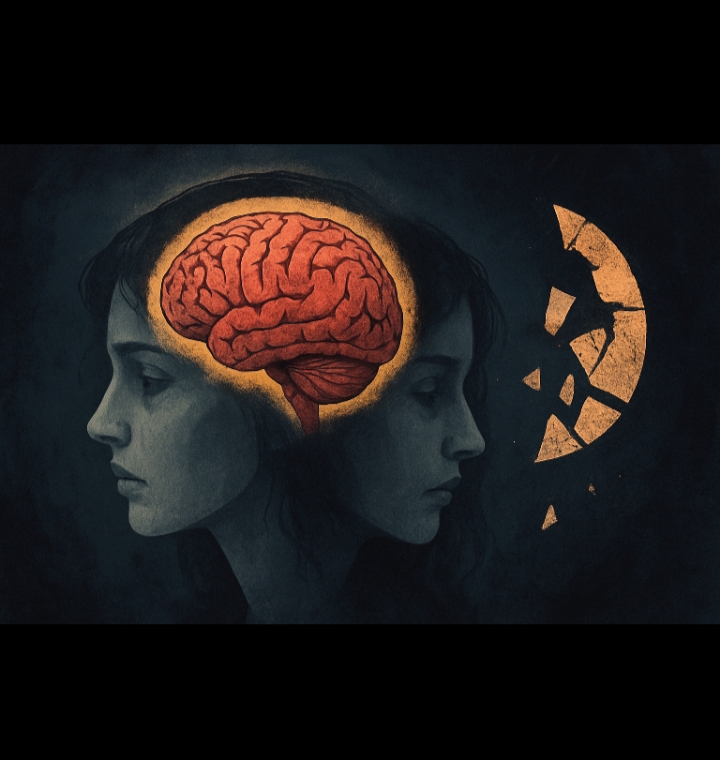
Enhancing the War on Schizophrenia
In recent years, diseases such as endometriosis, arthritis, and tuberculosis have received growing attention, yet schizophrenia remains one of the least understood. But what exactly is schizophrenia, who does it affect, and how can it be managed?
What is Schizophrenia?
Schizophrenia is a serious mental illness that affects how a person thinks, feels, and behaves. Those affected may experience paranoia, depression, fatigue, or impaired coordination. Often, patients are unaware of what is happening to them, making early diagnosis difficult.
Symptoms and Who It Affects
Symptoms of schizophrenia typically begin in the late teens to mid-30s. Men often experience their first episode earlier than women. The symptoms are usually categorized as either positive or negative.
Positive symptoms are “added experiences” things that appear but shouldn’t. These include hallucinations, delusions, disorganized speech, and catatonic behaviors such as agitation or lack of movement.
Negative symptoms, on the other hand, refer to what’s missing from normal functioning. They include reduced emotional expression, decreased speech, withdrawal from social contact, lack of motivation, and diminished pleasure in daily activities.
While the exact cause remains unclear, factors such as stress, exposure to infections, or genetic predisposition can contribute. Having a family member with schizophrenia increases the risk but does not guarantee that others will develop it.

Is Schizophrenia Treatable?
Though schizophrenia has no known cure, it is treatable. With proper medical and psychological support, many patients lead stable, fulfilling lives.
Antipsychotic medications help control severe symptoms and prevent relapses, while therapies such as cognitive behavioral therapy (CBT) and supportive counseling improve coping and social skills.
Community support and consistent follow-up on medication play a key role in recovery. Starting treatment early makes a significant difference and as a society, we must create awareness and stand by those living with schizophrenia.