


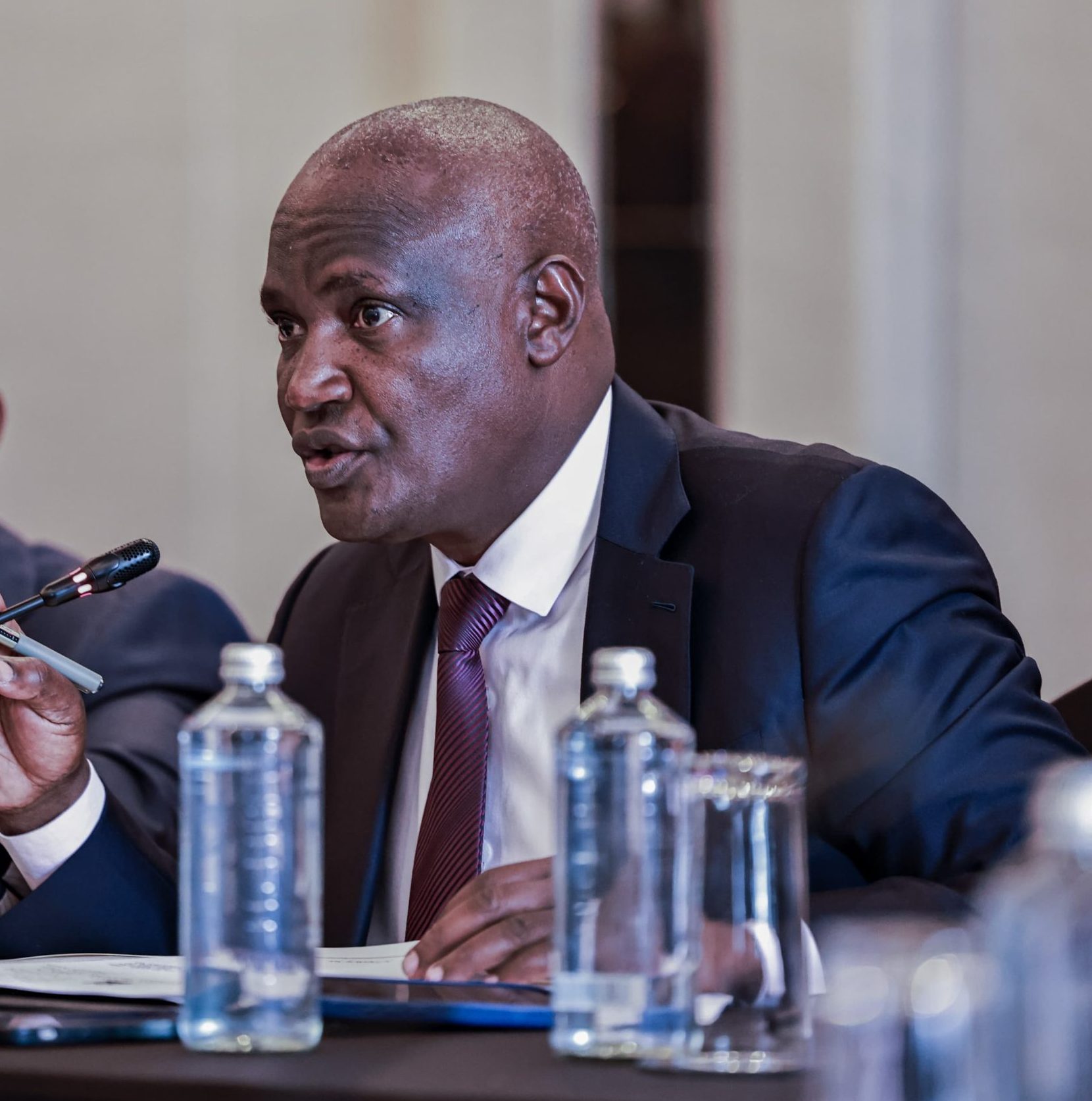
Treasury CS John Mbadi has defended the continued application of the road maintenance levy on fuel, arguing that it remains a central pillar in financing Kenya’s road infrastructure and sustaining long-term economic development.
Mbadi noted that the levy, currently embedded in fuel prices, directly supports road maintenance and construction.
He cautioned that removing it would create immediate funding gaps that could slow down or halt ongoing and planned infrastructure projects.
According to him, the policy trade-off is unavoidable, without dedicated levies, critical public services would suffer.
Impact on Road Users and Transport Operations
He questioned whether road users, particularly public transport operators such as matatu drivers, would be willing to operate in increasingly bad roads if funding for maintenance were withdrawn.
With the rainy season having recently ended, he warned that poorly maintained roads would quickly become impassable, undermining mobility and economic activity.
Responding to public criticism that roads remain in poor condition despite multiple taxes and levies, Mbadi acknowledged the concerns but maintained that significant progress has been made.
He argued that Kenya has developed one of the most extensive paved road networks in the region, with over 20,000 kilometers of tarmacked roads, compared to some neighboring countries that have significantly lower coverage.
Kenya’s Regional Infrastructure Positioning
He positioned Kenya as a relatively advanced middle-income economy within the region, suggesting that infrastructure expansion must be sustained through consistent financing mechanisms rather than short-term political pressure.
Mbadi emphasized that the government continues to invest heavily in road development and maintenance across the country.
A key component of his defense centered on fiscal innovation, particularly the securitization of the seven-shilling fuel levy.
He explained that the levy has already been committed to financing road projects, including the resumption of previously stalled works. Any attempt to reverse it, he argued, would undermine existing financial arrangements and delay infrastructure delivery.
Pushback Against Populist Policy Calls
Mbadi also pushed back against what he described as populist calls for the removal of the levy, stating that such proposals are not economically viable given current budgetary obligations.
Instead, he stressed the importance of balancing public expectations with fiscal reality.
To cushion the economy and maintain stability, the Treasury has reportedly deployed the Stabilization Fund as part of broader measures to manage pressure on fuel prices and infrastructure financing.
Ultimately, Mbadi framed the debate as a choice between short-term political expediency and long-term national development, insisting that sustained investment in infrastructure remains essential for economic growth and regional competitiveness.