

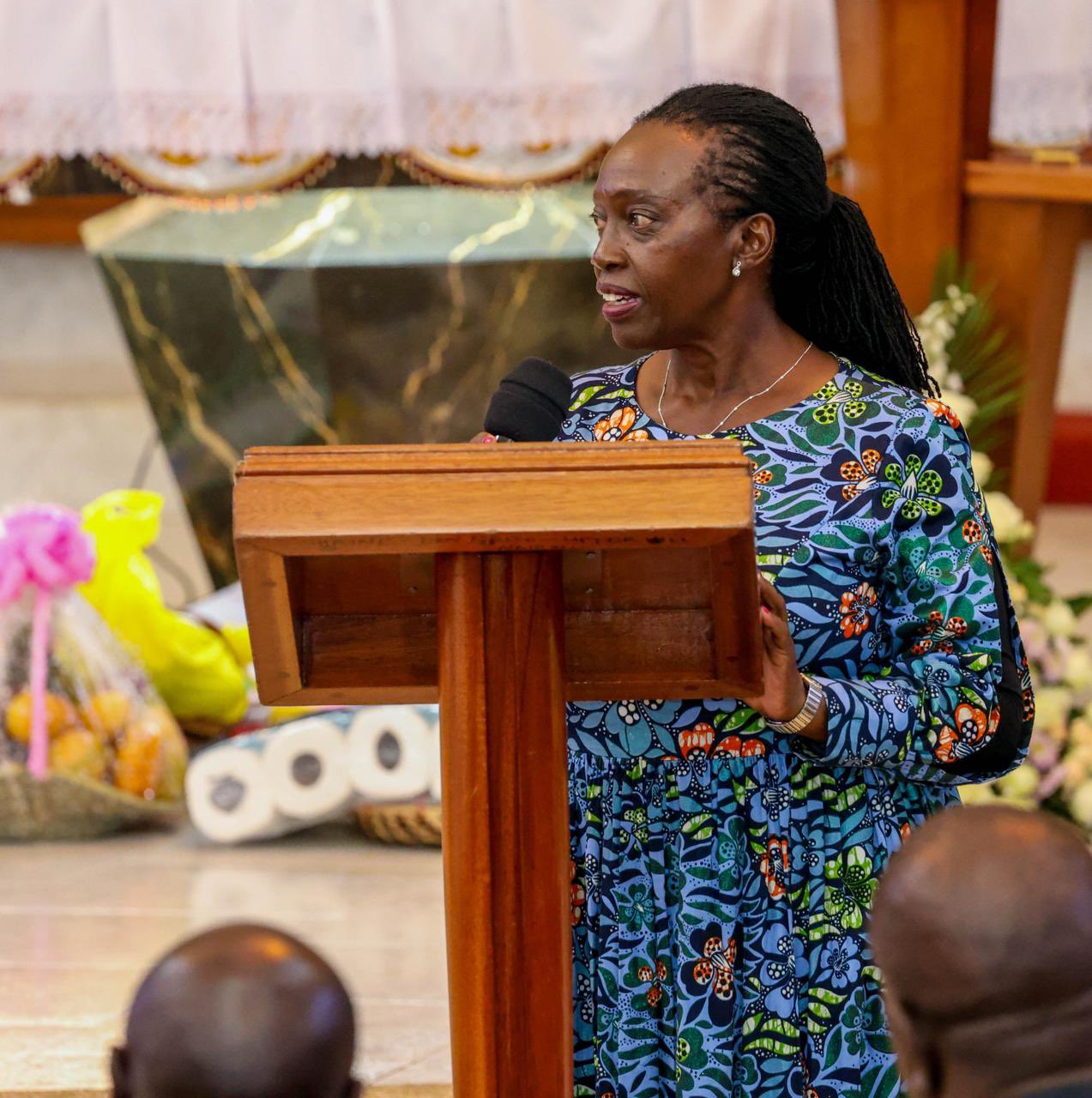
People’s Liberation Party leader Martha Karua has criticised President William Ruto over reports that Kenya could be used to host US Ebola patients, arguing that such a decision would expose Kenyans to unnecessary health risks and bypass constitutional processes.
Speaking on the matter, Karua questioned why Kenya should accept risks that Americans themselves appear unwilling to take.
“If Ebola is considered too dangerous for Americans, why should Kenyans accept that risk?” she posed, insisting that any decision with significant public health implications must involve consultation and transparency.
Concerns Over Public Participation
Karua accused President Ruto of making far-reaching decisions without involving key institutions or the public.
According to her, there is no indication that the reported arrangement received Cabinet approval or underwent parliamentary scrutiny before being pursued. She argued that decisions affecting millions of citizens should not be handled unilaterally.
“Major decisions must follow due process, involve public participation, and be subjected to parliamentary oversight,” she said.
The PLP leader further claimed that the President was treating the country as a private enterprise rather than a constitutional democracy.
Health and Safety Concerns Raised
Karua maintained that the issue extends beyond politics and touches directly on the health and safety of Kenyans.
She noted that concerns about Ebola have already generated public unease, with sections of civil society and citizens expressing opposition to any plan that could increase the country’s exposure to the deadly virus.
Karua argued that Kenyans deserve clear information about any agreements involving the handling of infectious diseases within the country.
She also pointed to debates within the United States, where some leaders have reportedly urged their government to care for affected citizens domestically rather than transferring them.
Calls for Accountability
Karua said leaders must remain accountable when making decisions that carry national consequences.
She urged the government to provide full disclosure on any discussions or agreements related to Ebola patient transfers and to subject the matter to public scrutiny.
“Wenye nchi must never be treated as an afterthought in decisions that directly affect their lives,” she said.
Her remarks add to growing calls for transparency over the reported plan, with questions continuing to emerge about public health safeguards, legal procedures, and the role of Parliament in decisions of national importance.