


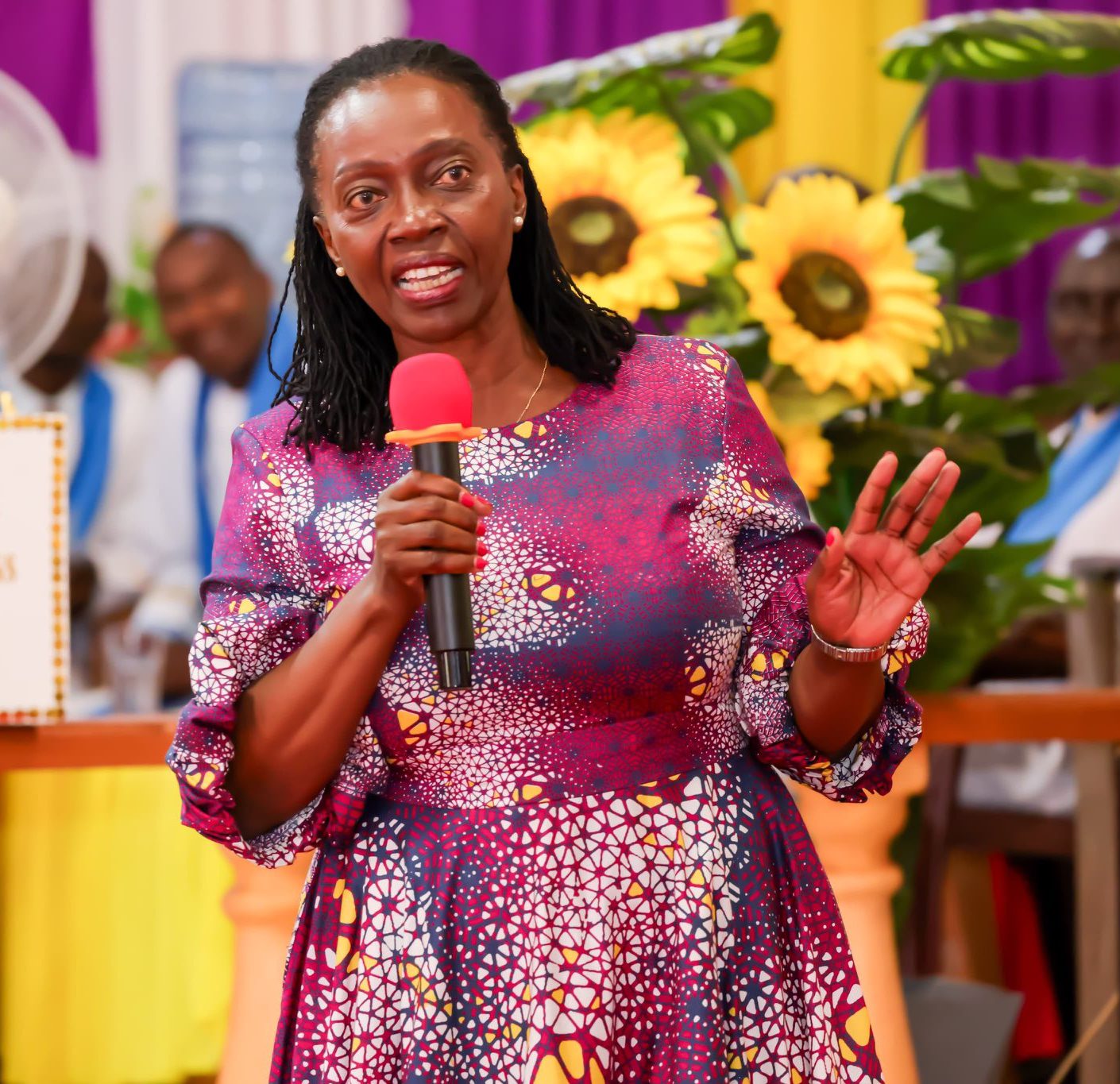
Martha Karua has strongly criticised the 2026 Finance Bill, arguing that it reintroduces tax measures that were previously rejected by Kenyans during the nationwide protests of 2024.
Karua said citizens “paid a heavy price to make their voices heard,” warning that recent fiscal proposals appear to mirror the same punitive provisions that sparked widespread public anger, injuries, and loss of life.
She cautioned that economic policymaking must remain responsive to public sentiment and avoid measures perceived as exploitative or detached from the lived realities of ordinary citizens.
Recycled Tax Policies Raise Concern
Karua expressed concern that the latest finance proposals reflect what she described as a recycling of unpopular tax policies.
“It is deeply troubling to see a Finance Bill that revives many of the same punitive measures that citizens rejected,” she said, emphasizing that the message from wenye nchi remains unchanged, economic policy must serve the people rather than burden them.
She argued that ignoring this position risks deepening mistrust between the government and citizens, particularly at a time when households are already facing rising costs of living and economic strain.

A key area of concern for Karua is taxation within the digital economy. She warned that although the bill may avoid explicitly labeling certain charges as digital taxes, the structure effectively shifts the burden onto users.
“This finance bill is the 2024 finance bill. It brings exactly the same punitive measures, but because they do not want to say they are taxing the people on the digital space,” she said, adding that taxes imposed on service providers would inevitably be transferred to consumers.
Karua concluded that the repetition of previously rejected measures signals a governance gap in public consultation and accountability.
She cautioned that reintroducing such policies “through the back door” risks reigniting public dissatisfaction and undermining confidence in fiscal decision-making.