


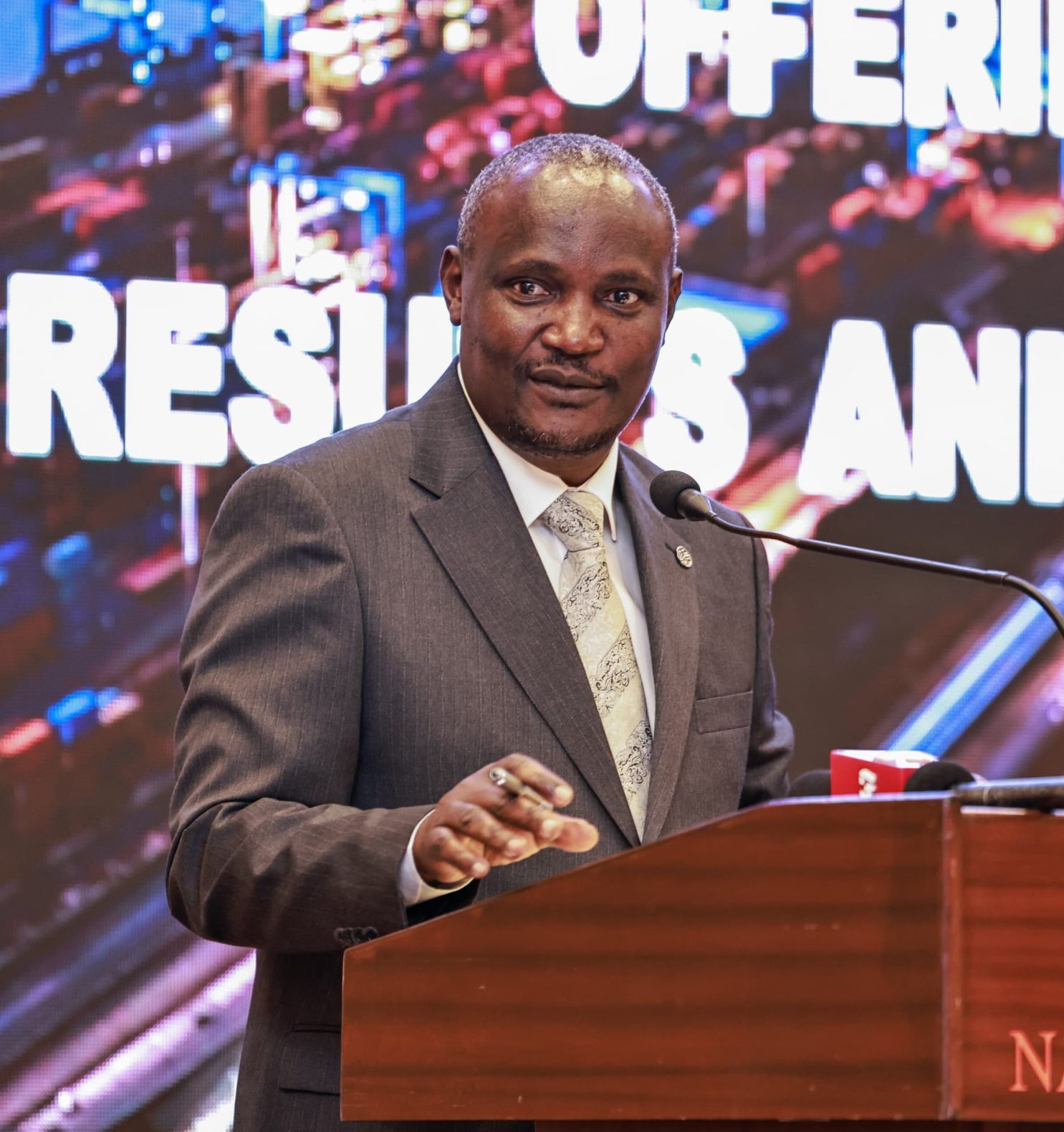
Treasury CS John Mbadi has dismissed claims that the Finance Bill 2026 contains punitive or hidden tax measures, saying he could not identify the provisions being criticised despite personally drafting and submitting the proposal.
Speaking in Nairobi, Mbadi said he reviewed the bill after concerns were raised publicly and found no provisions that could be described as punitive, arguing that the debate had been distorted.
No Evidence of Punitive Tax Measures, Says Treasury CS
He questioned the narrative that the Bill introduces new taxation on land, including leasehold or freehold property, insisting that such clauses do not exist in the document currently before Parliament.
Mbadi singled out opposition leader and former Vice President Kalonzo Musyoka for what he termed misleading public statements, challenging him to point to specific clauses supporting his assertions.
“I have the bill with me and it is very clear. There is nowhere in it that speaks about taxing land, whether leasehold or freehold,” Mbadi said, calling for factual debate on the Finance Bill 2026.
He warned against politicization of fiscal policy, saying leaders should focus on identifying real gaps in revenue proposals rather than spreading what he described as propaganda.
Mbadi added that responsible leadership requires honesty in public discourse, especially when dealing with sensitive national revenue legislation that directly affects economic planning.
He said his interest in addressing the matter was triggered by public commentary on so called punitive tax measures, which he claims are not reflected in the draft Finance Bill 2026 he submitted to the National Assembly.
Parliament Urged to Focus on Facts in Budget Process
CS Mbadi maintained that Kenya must avoid politicising the budget making process, stressing that disagreements should be based on identifiable clauses and not general political rhetoric.
He further argued that misinformation about tax policy risks undermining public trust in fiscal reforms, especially at a time when government is seeking to broaden revenue collection and stabilise economic planning.
Mbadi reiterated that the Finance Bill 2026 remains under parliamentary consideration and urged lawmakers and the public to engage with its contents based on evidence rather than assumptions.