


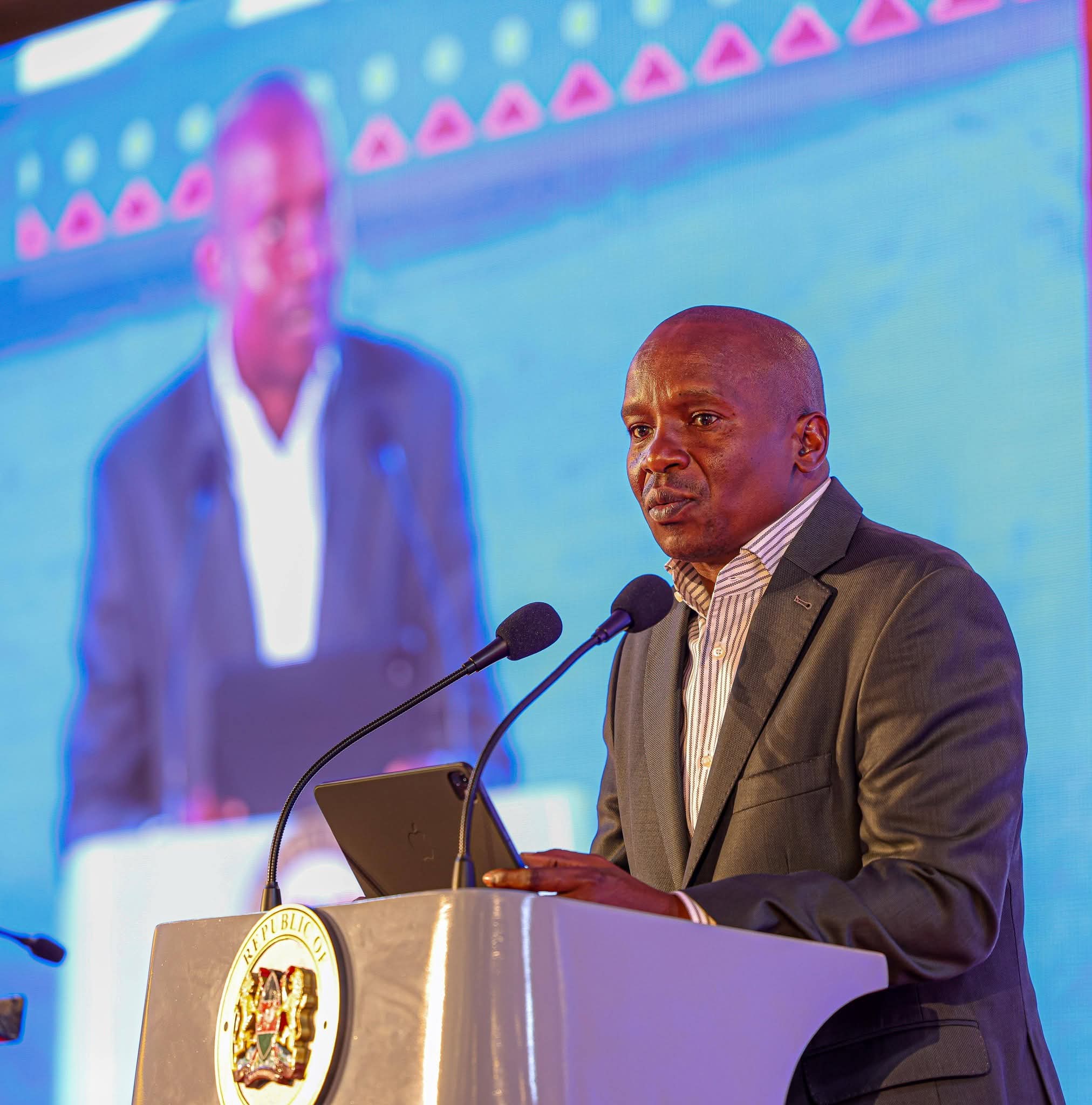
DP Kindiki Details Sugar Sector Overhaul, Pushes for Fair Global Trade
Kenya’s sugar sector is undergoing a major transformation following reforms introduced by the government since 2022, Deputy President Kithure Kindiki has said.
Speaking during the official opening of the 68th International Sugar Organization Conference in Diani, Kwale County, Kindiki said the reforms are improving governance across the industry, reviving stalled sugar factories, and ensuring more timely payments to farmers and workers.
Sugar Sector Reforms Gain Momentum
Kindiki described sugar as more than just a commodity, noting that it remains a critical part of daily life and a key economic driver for thousands of households.
“Every hectare of sugarcane represents a household’s livelihood, every mill that turns represents jobs and every tonne of sugar that reaches the market represents income and return on investment,” he said.
According to the DP, land under sugarcane farming has expanded by 200,000 hectares since the reforms began. He attributed the growth in production and farmer earnings largely to government-backed fertilizer subsidy programmes aimed at reducing production costs and improving yields.
Kindiki said the future of the sector lies in diversification, with sugar factories expected to increasingly produce ethanol, aviation fuel, renewable energy, and bio-based industrial chemicals alongside conventional sugar products.
The shift, he noted, is expected to open up new revenue streams, create jobs, and strengthen Kenya’s industrial base while improving the long-term sustainability of the sugar industry. Kenya is also pushing for stronger international cooperation in agricultural trade.
DP Kindiki said the country supports a rules-based international trading system for sugar and other agricultural commodities, arguing that fair and predictable trade frameworks are necessary to protect both producers and consumers.