


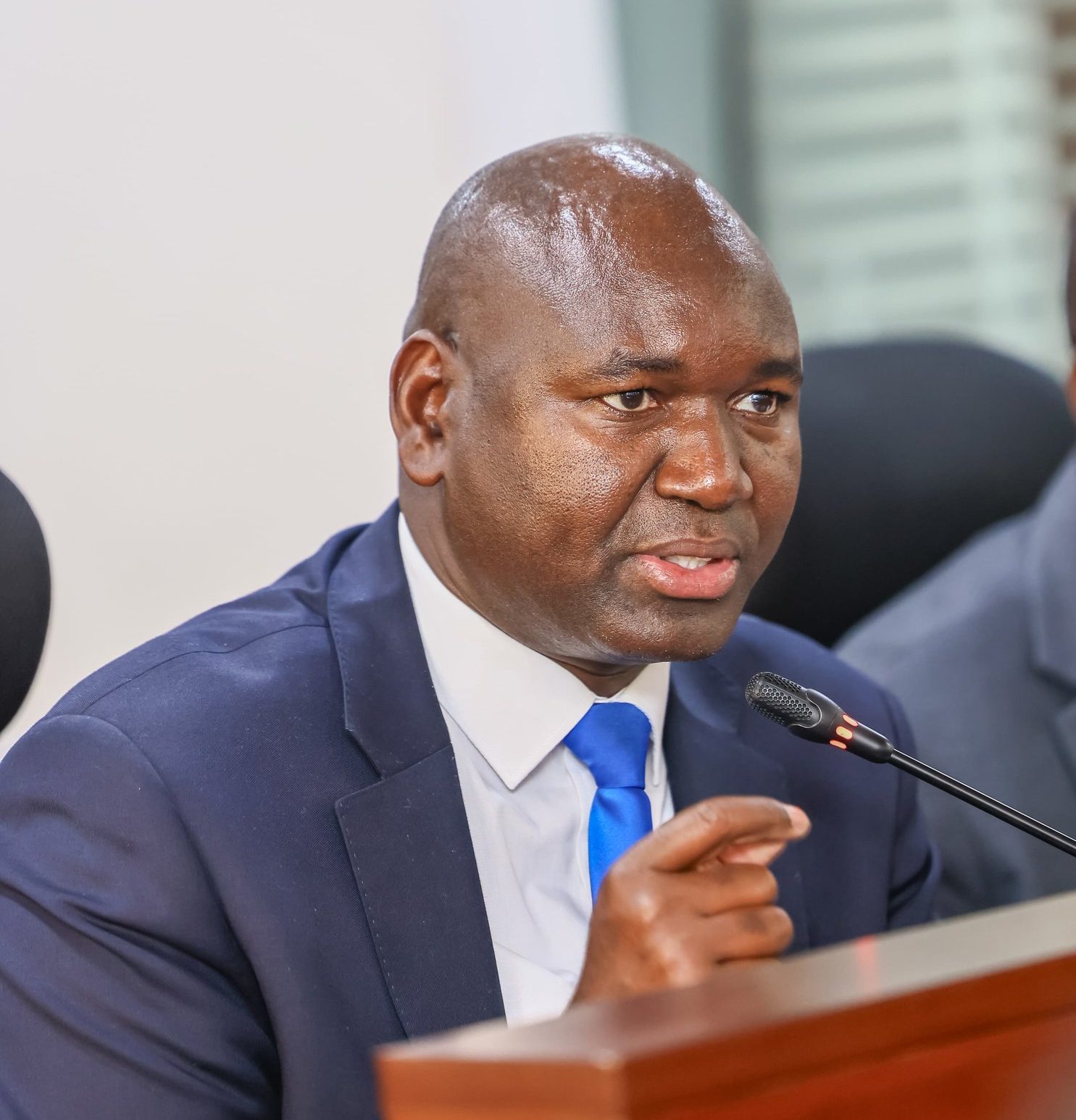
Education PS Julius Bitok has moved to clarify the structure and disbursement of capitation funds for primary schools, following growing scrutiny over funding adequacy and allocation.
In a statement issued, PS Bitok outlined how the annual capitation of Ksh 1,400 per learner is determined and distributed. The clarification seeks to address confusion surrounding recent figures shared in official circulars.
According to Bitok, the Ksh 1,400 capitation per learner is not disbursed at once. Instead, the funds are released in three phases aligned with the school calendar. The National Treasury channels the funds on a termly basis using a 50:30:20 ratio across the first, second, and third terms respectively.
This means that the amount schools receive at any given time reflects only a portion of the total annual allocation.
Breakdown Based on Vote Heads
PS Bitok noted that the capitation amount is calculated from particular spending lines known as vote heads. These are determined using the projected cost of assisting each student over the academic year.
Once funds are received from the National Treasury, the Ministry of Education produces a circular outlining how the funds should be distributed among these vote headings. The allocations are thus determined by the exact amount released in each tranche.
It was observed that the figures now in circulation are based on second-term disbursements. This distinction is crucial since it explains why the figures look lower than the total yearly capitation.
Per Learner, Not Per School
The Ministry also clarified that all figures indicated in the circular are calculated on a per-learner basis, not as lump sums allocated to schools.
For instance, Ksh 95.25 per learner has been designated for learning materials, including textbooks and stationery. Meanwhile, Ksh 93.08 per learner is allocated for school operations such as staff support, maintenance, utilities, and examinations.
These figures, Bitok said, reflect only the second term tranche and should not be interpreted as the total funding available for these categories across the year.
Addressing Public Concerns
The clarification comes amid public concern from parents and education stakeholders who have questioned whether schools are receiving sufficient funds to sustain operations under the Competency-Based Curriculum (CBC).
Some stakeholders had interpreted the lower figures in the circular as a reduction in capitation, prompting debate over the government’s commitment to funding basic education.
However, the Ministry maintains that the capitation framework remains unchanged. Instead, it attributes the confusion to misinterpretation of partial disbursement figures.
Ongoing Scrutiny on Education Financing
While the clarification provides insight into the mechanics of capitation funding, it is unlikely to fully settle concerns about the adequacy of resources in public schools.
As the debate continues, the Ministry’s explanation offers a clearer picture of how funds flow through the system but also highlights the broader question of whether the current allocation is sufficient to meet evolving educational needs.