


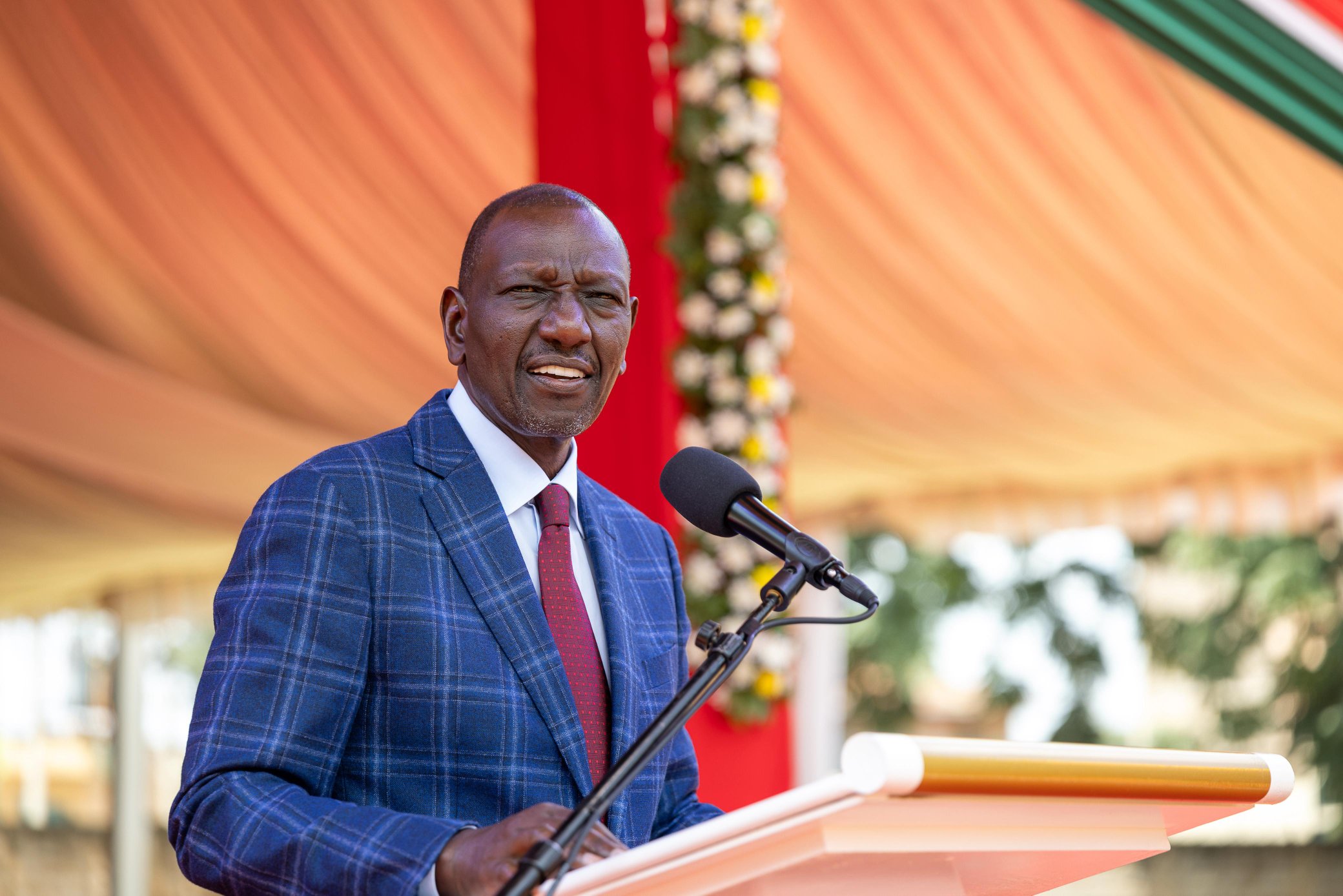
President William Ruto has defended the sharp rise in fuel prices in Kenya, saying the country is suffering the effects of a global energy crisis triggered by the escalating conflict in the Middle East.
In a national address, the President acknowledged the growing frustration among Kenyans over the increasing cost of living and rising fuel prices, which have placed pressure on households and businesses across the country.
“I fully understand the frustration and the burden this has placed on households and on the cost of living across the country,” he said.
Ruto said the current situation is not unique to Kenya, noting that countries across Africa, Europe, Asia and the Americas are also struggling with fuel shortages, supply disruptions and soaring prices.
Global Supply Shock Pushes Prices Higher
According to the President, the crisis intensified after the conflict involving Iran escalated on February 28, 2026, disrupting operations around the Strait of Hormuz one of the world’s most critical oil transit routes.
Nearly 20% of global oil supply passes through the route every day, making the disruption one of the biggest oil supply shocks in recent history.
Within weeks, global fuel prices surged sharply. Super petrol prices rose by 54%, diesel by 118%, and kerosene by 126.4%.
These increases have directly affected the landed cost of fuel imported into Kenya, eventually pushing up pump prices nationwide.
The President warned that the global energy market remains unstable, citing projections from international agencies that suggest the crisis may continue for several months.
The World Bank now projects global energy prices will rise by 24% in 2026 alone, while the International Energy Agency has warned that oil markets could remain under-supplied until late 2026 or beyond.
Governments Worldwide Introduce Emergency Measures
Ruto emphasised that governments around the world are already taking emergency steps to manage the crisis and reduce fuel consumption.
Some countries, he noted, are experiencing actual fuel shortages and rationing, while others have introduced work-from-home arrangements and reduced working days to cut fuel demand.
“Fellow citizens, this is not a Kenyan problem alone,” the President said.