


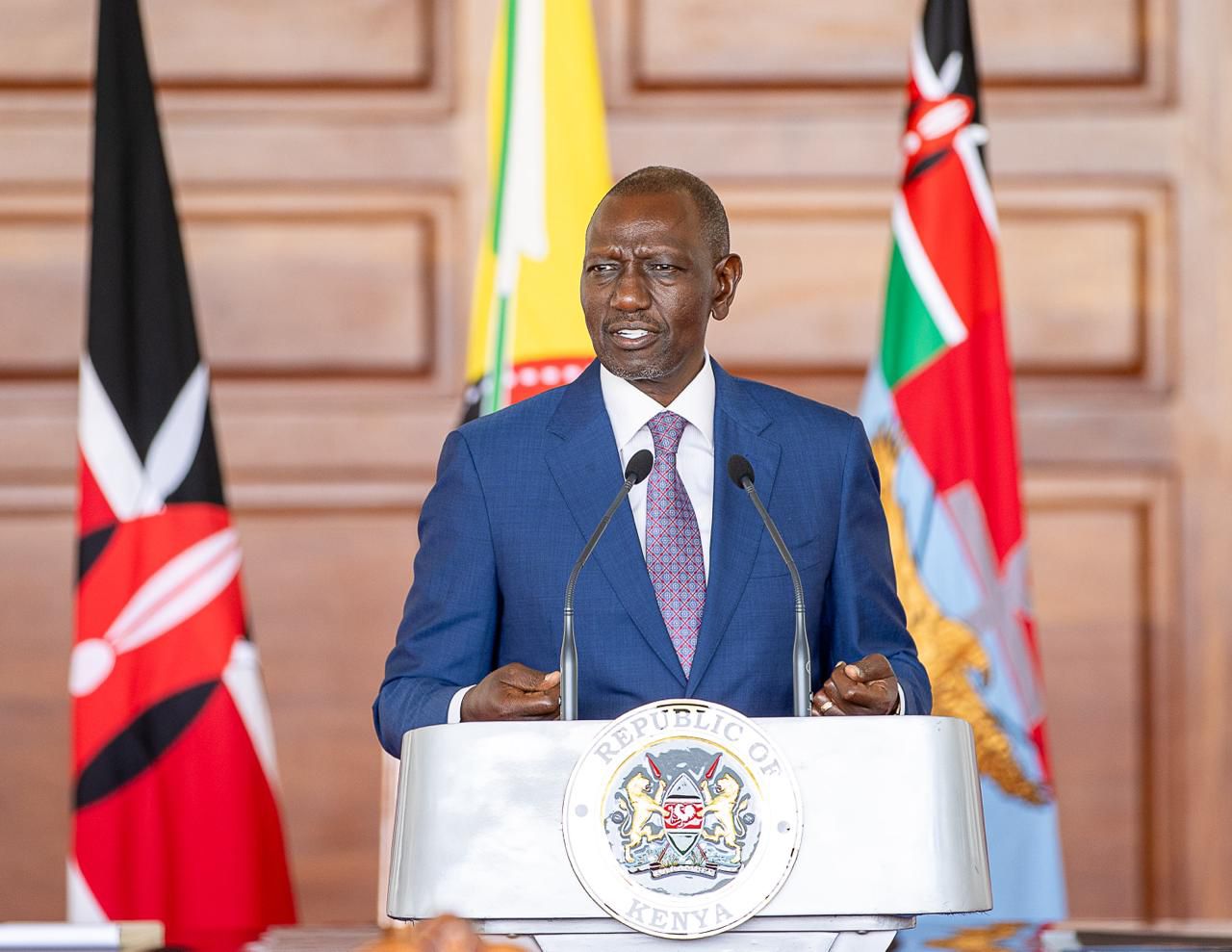
The government has defended its decision to reduce Value Added Tax (VAT) on petroleum products from 16 percent to 8 percent, saying the move is aimed at easing pressure on households and businesses grappling with rising fuel prices.
President William Ruto said the government has foregone KSh 14.4 billion in tax revenue as part of broader interventions meant to cushion Kenyans from the effects of the global oil crisis.
The remarks come amid continued increases in fuel prices driven by rising global crude oil costs. Kenya imports all its petroleum products from the Gulf region, making the local market highly exposed to international price fluctuations.
Government Prioritises Fuel Stability and Consumer Protection
According to the President, the government’s response has focused on two key priorities: ensuring a stable fuel supply across the country and protecting consumers from the full impact of rising global oil prices.
“The current fuel prices reflect the global reality,” President Ruto said, noting that the increases are affecting transport costs, food production, business operations, and the overall cost of living.
He acknowledged the strain the rising prices are placing on ordinary Kenyans, saying fuel costs are directly affecting daily livelihoods.
President Ruto pointed to higher matatu fares, increased transport costs for farmers, reduced earnings for boda boda riders, and mounting pressure on household budgets and businesses.
“I know that for many Kenyans, rising fuel prices are not just numbers at the pump. They reflect everyday life,” Ruto said.
Fuel Subsidy Measures Intensified
To cushion consumers, the government has tapped into the Petroleum Development Fund to stabilise fuel prices over recent months.
In the last two pricing cycles alone covering the April-May and May-June 2026 periods the government utilised KSh 13.7 billion to cushion consumers from sharp increases in global oil prices.
President Ruto said the government had earlier undertaken forward planning through the Petroleum Development Levy and Fund, allowing it to build strategic financial reserves capable of stabilising the market during periods of volatility.